
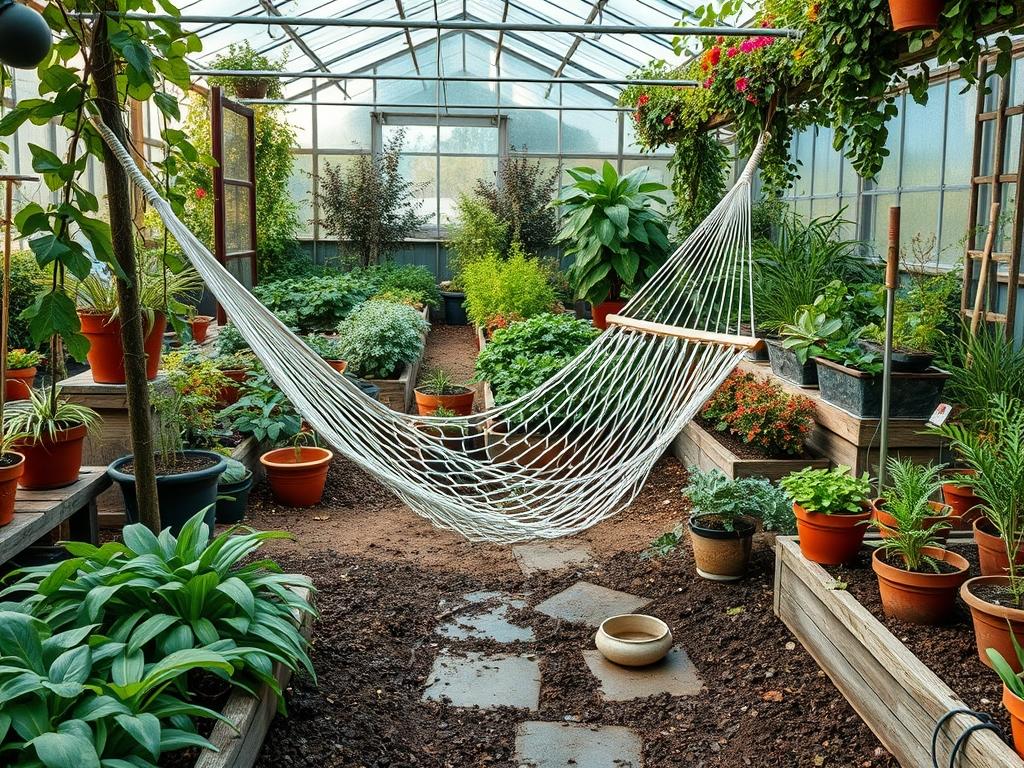
Integrating a hammock chair into a residential landscape requires more than simply finding two sturdy points and suspending a seat. As a landscape architect, I view the backyard hammock chair setup as a critical intersection of structural engineering, horticultural health, and spatial aesthetics. The challenge lies in creating a sanctuary that feels secluded yet remains structurally sound within the existing topography. This process begins with a thorough site analysis, where we evaluate the microclimate of the intended area. We must consider the path of the sun to ensure the chair provides shade during peak heat hours. Furthermore, the curb appeal of the property can be significantly enhanced if the chair is treated as a sculptural focal point rather than an afterthought. Proper planning ensures that the installation does not interfere with existing irrigation lines or cause soil compaction that could damage the root systems of nearby specimen trees. By focusing on outdoor functionality and long term stability, a well executed installation transforms a simple corner of the yard into a professional grade retreat that adds measurable value to the home environment.
Landscape Design Principles
When designing around a backyard hammock chair setup, the primary objective is to achieve a visual and physical balance within the garden. Symmetry plays a vital role here. If the chair is suspended from a single heavy timber post, we often balance that vertical element with a cluster of mid-sized shrubs or a decorative boulder on the opposing side. This prevents the landscape from feeling weighted toward one corner. Focal points are equally important; the chair should invite the eye into the garden, acting as a destination at the end of a winding path. We utilize elevation layers to create a sense of enclosure. By planting taller canopy trees like the River Birch in the background and layering down to mid-story species, we wrap the seating area in a green embrace that buffers wind and noise.
Irrigation planning is another non-negotiable principle. You must ensure that the area directly beneath and around the chair is excluded from high-pressure sprinkler zones. Constant moisture can lead to muddy transitions and premature decay of wooden support posts or metal hardware. Instead, we often pivot to sub-surface drip irrigation for nearby plants, which keeps the foliage dry and the ground stable. Walkways should be designed to lead naturally to the chair using materials like flagstone or decomposed granite. These paths define the space and prevent the turf from being worn down by foot traffic. Lastly, visual balance is maintained by matching the scale of the chair to its surroundings; a petite chair might be lost in a sprawling meadow, whereas a heavy double-seat model requires the architectural backing of a retaining wall or a large pergola to feel proportionate.
Plant and Material Selection
| Plant Type | Sun Exposure | Soil Needs | Water Demand | Growth Speed | Maintenance Level |
| :— | :— | :— | :— | :— | :— |
| Japanese Maple | Partial Shade | Well-drained, acidic | Moderate | Slow | Medium |
| Lavender | Full Sun | Sandy, alkaline | Low | Medium | Low |
| Clumping Bamboo | Full to Part Sun | Rich, loamy | High | Fast | High |
| Creeping Thyme | Full Sun | Poor to average | Low | Medium | Low |
| Dwarf Boxwood | Full Sun to Shade | Loamy, moist | Moderate | Slow | Medium |
| Canna Lily | Full Sun | Moist, organic | High | Fast | Medium |
Implementation Strategy
The successful implementation of a backyard hammock chair setup begins with precise grading. The area beneath the chair should have a slight 2 percent slope away from any permanent footings to prevent water from pooling. We start by flagging the location and using a laser level to determine the high and low points of the site. If the ground is uneven, we may install a small dry stone creek bed nearby to manage runoff effectively. Once the site is graded, we focus on the support structure. If utilizing a 6×6 pressure-treated timber post, it should be buried at least 3 feet deep to reach below the frost line, secured with high-strength concrete.
After the structural elements are cured, we move to the surrounding hardscape and softscape. Edging is a critical step; we use steel landscape edging or tumbled brick to create a clean border between the seating area and the lawn. This keeps the hardwood mulch or pea gravel used beneath the chair from migrating into the grass. We recommend a mulch depth of at least 3 inches to provide a soft landing surface and suppress weed growth. For drainage, we often incorporate a layer of compacted road base beneath the finish material to ensure the ground remains firm even after heavy rainfall. The final step involves the installation of stainless steel eye bolts and heavy-duty carabiners, followed by a weight test to ensure the structural integrity of the setup before the surrounding ornamental plants are installed.
Common Landscaping Failures
One of the most frequent failures I see in professional consultations is the neglect of proper drainage. When water collects at the base of a support post or under a hanging chair, it creates a swampy environment that attracts insects and leads to wood rot. Without a French drain or proper swale, the area becomes unusable for a large portion of the year. Another common mistake is root overcrowding. Homeowners often plant fast-growing species too close to the hammock setup, failing to realize that as the tree matures, the trunk may push against the support or the roots may heave the nearby walkway.
Improper spacing is also a major concern. There must be a 5 foot clearance zone around the chair to allow for its natural swing radius without hitting branches or walls. Soil compaction is another silent killer; the repeated weight of people standing in the same spot to get into the chair packs the soil so tightly that air and water can no longer reach the roots of nearby turf or plants. This leads to dead patches and erosion. Finally, irrigation inefficiencies, such as spray heads hitting the fabric of the chair or the wooden posts, can lead to mold, mildew, and structural degradation. Always ensure that the irrigation controller is programmed to avoid these specific zones or that the emitters are placed low to the ground.
Seasonal Maintenance
Maintenance is a year-round commitment to ensure the longevity of your backyard hammock chair setup. In the spring, the focus should be on hardware inspection and soil aeration. Check all galvanized steel chains and swivel hooks for signs of rust or wear. If you have turf nearby, use a core aerator to alleviate the compaction caused by winter foot traffic. This is also the time to apply a fresh layer of organic mulch and prune any deadwood from overhanging branches that could pose a safety risk during summer storms.
During the summer, irrigation management is paramount. Monitor the soil moisture around your focal plants to ensure they aren’t stressed by the increased heat reflecting off nearby hardscapes. As the autumn arrives, your primary task is debris removal. Falling leaves can trap moisture against wooden posts and the hammock fabric, leading to decay. Clear the gutters of any nearby structures and cut back perennials like Hostas or Daylilies that surround the seating area. In the winter, we strongly advise removing the fabric chair and storing it in a dry location. Inspect the wooden supports for cracks and apply a UV-resistant sealant if necessary. If you live in an area with heavy snow, ensure that the weight of the snow does not bend any smaller ornamental trees over the seating zone, which can cause permanent structural damage to the plants.
Professional Landscaping FAQ
How deep should I set a post for a hammock chair?
For maximum stability, a 6×6 pressure-treated post should be set 36 inches deep. Use 12 inches of crushed stone for drainage at the bottom, followed by quick-set concrete to fill the remainder of the hole.
Can I hang a hammock chair from an existing tree?
Yes, but only if the limb is at least 8 inches in diameter and the tree is a healthy hardwood species like an Oak. Use tree-saver straps to prevent girdling the bark and avoid using nails or screws.
What is the best ground cover for under a hammock?
Creeping Thyme or Irish Moss are excellent organic choices because they tolerate light foot traffic. For a maintenance-free option, use washed pea gravel over a layer of geotextile fabric to prevent weed growth and facilitate drainage.
How do I prevent my hammock chair from hitting plants?
Maintain a clear “swing zone” of at least 5 feet in every direction. Choose slow-growing or dwarf plant species for the immediate perimeter and use hand pruners regularly to keep the flight path clear of stray branches.
Should I install a retaining wall near my hammock?
If your yard has a slope greater than 10 percent, a low retaining wall built with interlocking blocks can create a level terrace. This provides a stable foundation for the chair and prevents soil erosion around the support footings.