
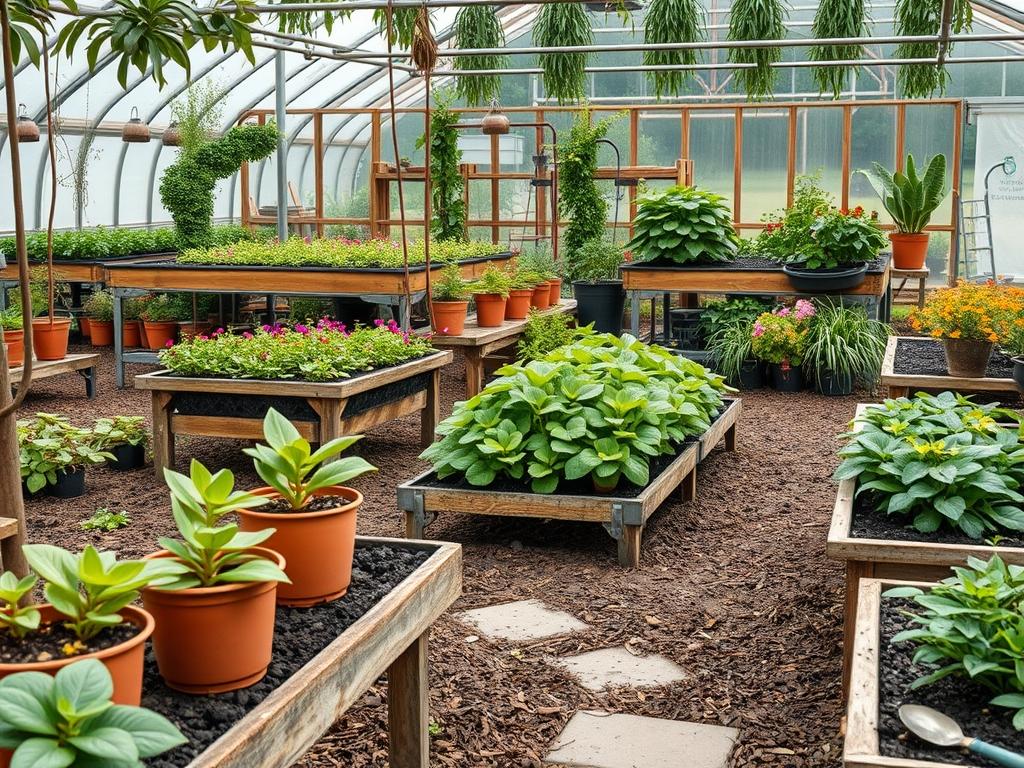
Designing a landscape specifically for hummingbird attraction requires a sophisticated blend of horticultural science and architectural precision. These avian dynamos possess metabolic rates that demand nearly constant caloric intake, meaning your garden must function as a high performance refueling station. From a professional consulting perspective, the challenge lies in balancing aesthetic curb appeal with the functional requirements of nectar production and territorial security. You are not simply planting flowers; you are engineering an ecosystem that accounts for wind shear, sun trajectory, and predator protection. A successful design integrates high density floral resources with structural elements that allow for perching and nesting, all while maintaining the clean lines and accessibility expected in a premium outdoor environment.
Climate considerations play a pivotal role in the longevity of the garden. In most North American zones, hummingbirds are migratory, arriving as the logic of spring warmth dictates. A professional plan ensures that the first arrivals find nourishment through early blooming species, while the departing flocks in autumn have enough energy to fuel their long journeys south. This seasonal continuity increases the property value by providing year round visual interest and ecological stability. By utilizing elevation changes and distinct garden “rooms,” a landscape architect can create a multi dimensional space that feels larger than its square footage while serving as a sanctuary for these elusive pollinators.
Landscape Design Principles
Effective hummingbird garden design relies on the concept of vertical layering. In the wild, these birds navigate through various forest strata, from the forest floor to the high canopy. To replicate this, your plan should incorporate ground covers, mid level perennials, and tall shrubs or small trees. This stratification provides safety from ground predators and offers diverse vantage points for territorial defense. Using focal points like a tiered fountain or a sculptural trellis can draw the eye and the birds to the center of the garden, creating a theatrical experience for the homeowner.
Symmetry can be used to frame certain views from the house, but an organic, staggered arrangement of plants often works better for attracting wildlife. Walkways constructed from flagstone or decomposed granite should provide clear access for maintenance without bisecting the primary flight paths. For irrigation, a hidden drip system is far superior to overhead sprinklers, as it delivers water directly to the root zone without Diluting the sugar content of the nectar in the blooms. Furthermore, placing retaining walls built from natural limestone can create microclimates that hold warmth, extending the blooming period of delicate species. Visual balance is achieved by grouping plants in clusters of three or five, which makes the colors more visible from a distance to scouting birds.
Plant and Material Selection
The following table outlines high performance selections tailored for hummingbird attraction, focusing on nectar density and growth reliability.
| Plant Type | Sun Exposure | Soil Needs | Water Demand | Growth Speed | Maintenance Level |
| :— | :— | :— | :— | :— | :— |
| Salvia (Black and Blue) | Full Sun | Well-drained loam | Moderate | Fast | Low |
| Monarda (Bee Balm) | Full Sun / Part Shade | Rich, moist soil | High | Moderate | Medium |
| Campsis radicans (Trumpet Vine) | Full Sun | Adaptable | Low | Aggressive | High (Pruning) |
| Aquilegia (Columbine) | Part Shade | Gritty, moist soil | Moderate | Slow | Low |
| Agastache (Hummingbird Mint) | Full Sun | Sandy, dry soil | Low | Fast | Very Low |
| Lonicera sempervirens (Coral Honeysuckle) | Full Sun / Part Shade | Loamy, average soil | Moderate | Moderate | Medium |
| Penstemon (Beardtongue) | Full Sun | Rocky, lean soil | Low | Moderate | Low |
Implementation Strategy
A systematic approach to implementation prevents costly rework and ensures the health of the specimens. Begin with a comprehensive site analysis. Check the grading of the land to ensure water flows away from the home foundation but remains accessible to the root systems of your new plantings. If the site is flat, consider creating berms using 70/30 topsoil and compost mix to add 12 to 18 inches of elevation. This provides better drainage and increases the visibility of the birds from the patio or windows.
Once the grading is set, install the hardscape elements. This includes edging made of galvanized steel or paver stones to define the beds. Dig trenches for irrigation lines and low-voltage lighting before any plants go in the ground. When planting, handle the root balls carefully and dig holes that are twice as wide as the pot but no deeper. Apply a 3-inch layer of hardwood mulch or pine bark around the base of the plants, ensuring the mulch does not touch the stems or trunks. This helps retain moisture and suppresses weeds. For climbing varieties like Trumpet Vine, install a sturdy powder-coated steel trellis or arbor at the time of planting to guide the initial growth.
Common Landscaping Failures
The most frequent error in specialized gardening is improper drainage. Many nectar rich plants are susceptible to root rot if they sit in standing water. If your soil has a high clay content, the installation of a French drain or the addition of expanded shale to the soil profile is mandatory to increase porosity. Another common mistake is root overcrowding. It is tempting to plant for “instant impact,” but failing to leave 24 to 36 inches of space between mature specimens leads to stunted growth and fungal issues due to poor air circulation.
Soil compaction is a silent killer in residential landscapes. Heavy foot traffic or construction equipment during the installation phase can compress the soil, eliminating the air pockets necessary for root respiration. To fix this, use a core aerator or broadfork before planting. Finally, irrigation inefficiencies often plague these gardens. Relying on manual watering usually leads to inconsistent moisture levels. A smart irrigation controller with weather sensing capabilities ensures that the garden receives the 1 to 1.5 inches of water per week required during the peak of summer, maintaining high nectar production.
Seasonal Maintenance
Landscape management is a year round commitment. In the Spring, the focus is on cleanup and fertilization. Use a hand pruner to remove winter kill from woody shrubs and apply a light application of organic slow-release fertilizer (5-10-5 N-P-K) to stimulate bloom production. This is also the time to refresh the mulch to keep the soil temperature regulated as the sun intensifies.
Summer maintenance is primarily about deadheading and hydration. Removing spent flowers from Salvia or Bee Balm encourages a second flush of blooms, providing a continuous food source. Monitor the irrigation nozzles to ensure they are not clogged by mineral deposits or debris. During the Autumn, resist the urge to cut everything back to the ground. Leaving some stalks and seed heads provides nesting materials and overwintering sites for beneficial insects that hummingbirds eat for protein. In Winter, focus on structural pruning for Trumpet Vines and Honeysuckle using bypass loppers to maintain their shape and prevent them from overwhelming the gutters or fences.
Professional Landscaping FAQ
How do I choose the right color palette for hummingbirds?
While hummingbirds are famously attracted to red, they prioritize nectar quality above all else. A professional palette should include bright oranges, deep purples, and vibrant yellows to ensure high visibility and a diverse nutrient profile for the birds.
What is the best way to provide water for grooming?
Hummingbirds prefer mist over deep water. Install a mister attachment on a fountain or a solar powered bubbler in a shallow basin. They often bathe by flying through fine spray or rubbing against wet leaves.
Can I attract hummingbirds with a small balcony or patio?
Yes. Use vertical planters and hanging baskets with trailing Petunias or Fuschia. The key is maximizing vertical space and providing a consistent nectar source. Even small container gardens can serve as vital urban waystations.
Should I use pesticides in my hummingbird garden?
Pesticides should be avoided entirely. Hummingbirds consume small insects for protein; poisoning the insects can lead to secondary poisoning of the birds. Use neem oil or insecticidal soap only if absolutely necessary for plant survival.
How high should I place my perching structures?
Perches should be placed at varying heights, ranging from 3 to 10 feet. Use thin, dead branches or dedicated copper wire perches placed in sheltered areas. This allows the birds to survey their territory while remaining hidden.