
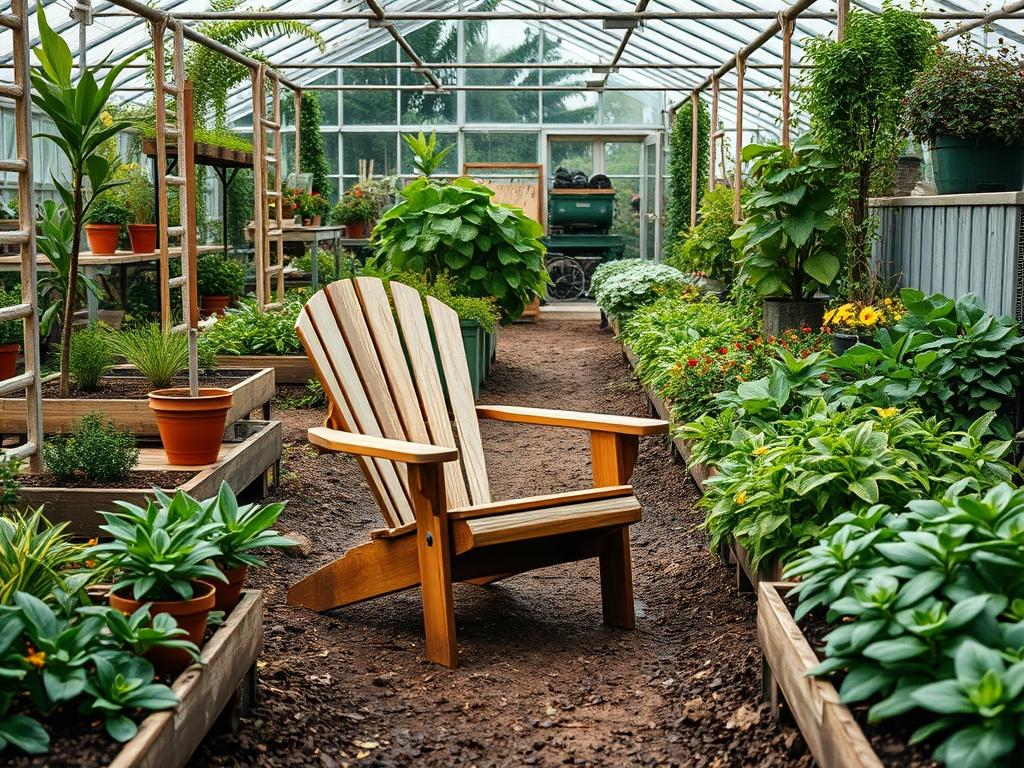
Choosing the right backyard Adirondack chair colors is more than an aesthetic preference; it is a critical decision in landscape architecture that defines the visual weight and focal energy of an outdoor room. As a consultant, I often see homeowners treat seating as an afterthought, yet the color of these iconic pieces dictates how the eye moves through the site. A vibrant red chair acts as a powerful terminus for a gravel walkway, drawing a visitor deep into the garden. Conversely, a slate gray or forest green chair allows the furniture to recede into the shadows of a retaining wall, emphasizing the surrounding plant textures rather than the furniture itself. When selecting your palette, you must consider the local climate and UV index, as solar radiation will inevitably degrade pigments in cheaper materials. High-density polyethylene is the industry standard for durability, providing deep, saturated colors that resist the desaturation common in wooden alternatives.
The integration of seating into a professional landscape requires a balanced understanding of color theory and environmental context. For high-contrast modern designs, bold blacks and whites create a sophisticated silhouette against a manicured lawn or a stark concrete patio. In more naturalistic or xeriscaped environments, earth tones like sand, terracotta, and olive harmonize with native stones and grasses. Beyond simple beauty, the functional longevity of these colors depends on your maintenance schedule and the presence of overhead canopies. Darker shades like navy or charcoal absorb significant heat; they may require placement under a pergola or large shade tree to remain comfortable during peak summer hours. Lighter shades reflect light and stay cool, but they also show organic debris and pollen more readily, requiring frequent rinsing to maintain their crisp appearance.
Landscape Design Principles
Effective landscape design relies on creating a cohesive narrative between the built environment and the organic world. Using Adirondack chairs effectively starts with the concept of the focal point. In a large, sprawling backyard, a pair of chairs in a contrasting color provides a “destination” that encourages movement through the space. Symmetry is especially important when placing these chairs. Centering two chairs on a horizontal axis with a central fire pit or a water feature creates a sense of stability and formal order. If your garden utilizes multiple elevation layers, placing seating on the highest point offers a panoramic view, transforming the chairs into a functional observation deck.
The transition from a walkway to a seating area should be seamless. We use edge restraints and landscape fabric to define the boundaries of the seating zone, ensuring that the furniture sits on a stable, level surface. Proper drainage is paramount here; the area beneath the chairs should be graded at a 2 percent slope away from the home foundation to prevent standing water. If the chairs are placed directly on turf, soil compaction becomes a risk. Over time, the weight of the furniture and human traffic will crush the pore spaces in the soil, leading to dead patches. To avoid this, many designers install a footprint of pea gravel or flagstone beneath the chairs, which provides a permeable surface that protects the root zones of nearby plants.
Plant and Material Selection
The relationship between your chair colors and your horticultural selections can make or break the visual success of the project. A bright yellow chair may clash with orange lilies but look stunning against deep purple Salvia. Below are the recommended plant pairings and material specifications for a high-end outdoor environment.
| Plant Type | Sun Exposure | Soil Needs | Water Demand | Growth Speed | Maintenance Level |
| :— | :— | :— | :— | :— | :— |
| English Boxwood | Full Sun to Shade | Well-Drained | Moderate | Slow | Medium |
| Blue Oat Grass | Full Sun | Gritty, Lean | Low | Medium | Low |
| Japanese Maple | Partial Shade | Loamy, Acidic | High | Slow | High |
| Purple Coneflower | Full Sun | Any, Well-Drained | Low | Fast | Low |
| Creeping Thyme | Full Sun | Sandy, Rocky | Low | Moderate | Low |
| Hydrangea Palette | Partial Sun | Moist, Rich | High | Fast | Medium |
When selecting hardscape materials to accompany your colors, consider the texture of the ground cover. Crushed granite provides a rugged, tactile contrast to the smooth finish of poly-lumber chairs. For a more refined look, bluestone pavers offer a cool-toned base that complements whites, blues, and greys. If you prefer a wood-on-wood aesthetic, ensure your deck stain or cedar mulch does not share the exact same undertone as your furniture, or the pieces will disappear into the background.
Implementation Strategy
A successful backyard layout begins with a site survey and a clear grading plan. Start by identifying the primary view corridors from the interior of the house. You want to place your Adirondack chairs where they look intentional from your windows. Once the location is marked, remove the sod and excavate the area to a 4-inch depth. Install a layer of compacted road base or crushed stone to ensure the area remains level over time. If you are placing chairs near a slope, a low stone retaining wall can be built to provide a flat “niche” for the seating area.
Once the structural base is set, install steel edging to prevent the surrounding grass or mulch from encroaching on the seating zone. Use a spirit level to verify that the ground is even; Adirondack chairs are notoriously uncomfortable and prone to tipping if the rear legs are lower than the front on an uneven grade. After the chairs are positioned, apply a 3-inch layer of mulch around the perimeter of the zone to suppress weeds. Ensure that any irrigation emitters or bubblers are relocated so they do not spray directly onto the furniture, as mineral deposits from hard water can cause staining and unsightly scaling on the chair surfaces.
Common Landscaping Failures
The most frequent mistake in seating placement is the neglect of subsurface drainage. When chairs are placed in a low-lying area of the yard, they become unusable after rain and can foster the growth of mold or mildew on wooden frames. Another common error is improper spacing. An Adirondack chair has a wide footprint and a reclined profile; you must allow at least 3 feet of clearance behind the chair for movement and 2 feet between pairs for a side table. Crowding the chairs against a wall or a dense hedge makes the space feel claustrophobic and restricts airflow.
Overlooking the eventual size of nearby plantings is another professional pitfall. A small spruce tree planted next to a chair might look perfect today, but in five years, its branches will obstruct the seating area. Always plan for the “mature width” of the species. Furthermore, avoid placing heavy furniture directly over the “critical root zone” of established hardwood trees. The constant pressure and foot traffic will lead to soil compaction, depriving the tree of necessary oxygen. If you must have seating under a tree, use a raised wooden platform or a thick layer of arborists mulch to distribute the weight.
Seasonal Maintenance
Landscape management is a year-round commitment that protects your investment. In the spring, inspect the seating area for any shifting caused by the freeze-thaw cycle. Re-level the pavers if necessary and refresh the mulch to keep the area looking sharp. This is also the time to wash your Adirondack chairs with a mixture of mild soap and water to remove winter grime. Check the hardware; stainless steel bolts may need tightening after a season of temperature fluctuations.
During the summer, monitor the health of the plants surrounding the seating area, as the heat radiating off a stone patio can stress nearby perennials. Direct your irrigation to the root zones, not the foliage. In autumn, clear fallen leaves promptly. Decomposing organic matter can stain lighter-colored chairs and trap moisture against the ground material, leading to rot or pest issues. For the winter months, if you live in a region with heavy snowfall, consider moving wooden chairs into a shed or covering them with a breathable fabric. While high-quality poly-lumber can withstand the cold, keeping them clear of heavy snow loads prevents the risk of structural stress and maintains the vibrancy of your chosen color for years to come.
Professional Landscaping FAQ
What is the most durable material for Adirondack chairs?
High-density polyethylene (HDPE) is the most durable choice. It resists moisture, insects, and UV fading better than traditional wood. It also requires no sanding, staining, or waterproofing, making it the preferred material for low-maintenance professional landscapes.
How do I choose a color that wont fade?
Select materials with UV-inhibitors integrated throughout the material rather than just a surface coating. Earth tones and neutrals generally show less fading over time than bright reds or oranges, which are more susceptible to pigment breakdown from sun exposure.
Can Adirondack chairs be placed directly on the grass?
It is not recommended for long-term use. The weight causes soil compaction, and the lack of airflow can rot wood or trap moisture against poly-lumber. Create a dedicated base of gravel, mulch, or stone pavers for better longevity.
What is the ideal spacing for a fire pit seating area?
Maintain at least 7 feet of total diameter for the fire pit zone. Place the front of the Adirondack chairs roughly 24 to 30 inches from the edge of the fire pit to allow for legroom and safety from heat.
How do I prevent my chairs from blowing over in high winds?
Heavy-duty poly-lumber chairs often weigh between 30 and 50 pounds, making them naturally wind-resistant. For lighter wooden or plastic chairs, you can use subtle earth anchors or cables hidden beneath the mulch to secure them.