
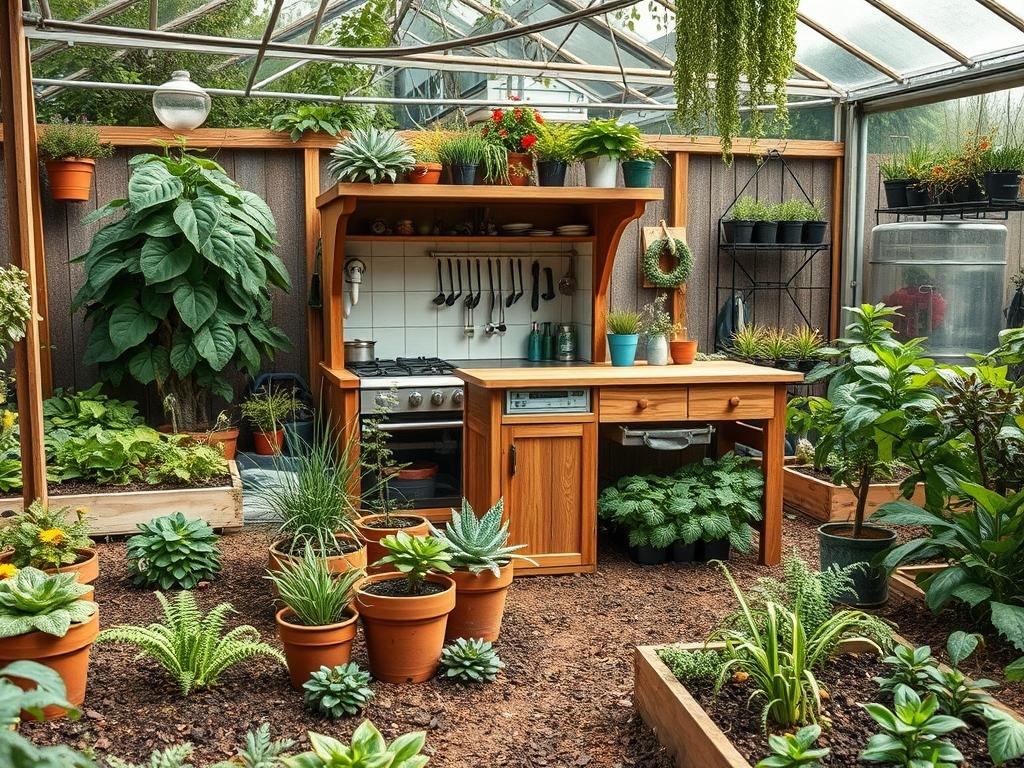
Designing a functional landscape that successfully incorporates children’s play areas involves more than simple equipment placement; it requires a strategic approach to zoning and site engineering. Integrating sophisticated Backyard Play Kitchen Ideas into a modern garden requires an understanding of how play structures influence the overall flow and curb appeal of the property. When a play kitchen is treated as a permanent architectural feature rather than a temporary toy, it enhances the utility of the yard. Landscape architects must consider the trajectory of the sun, the prevailing wind patterns, and the proximity to the main residence to ensure the space is both safe and inviting. A well-designed play zone acts as a miniature outdoor living room, bridging the gap between adult recreation spaces and child-centric environments. This holistic planning prevents the play area from looking like an afterthought, preserving the aesthetic integrity of the home’s exterior while providing a high-value environment for family interaction.
Landscape Design Principles
Symmetry and focal points are the foundations of any professional outdoor environment. When planning for Backyard Play Kitchen Ideas, the kitchen should be positioned as a primary or secondary focal point within its own designated zone. Designers often use a technique known as “visual anchoring,” where the play structure is framed by structural plantings or hardscaped borders to give it a sense of permanence. Using Steel Edging or Pressure-Treated Timber to define the perimeter of the play area prevents it from bleeding into the formal lawn. This clear delineation maintains a clean look and provides a physical barrier that helps contain loose-fill materials like mulch or gravel.
Elevation layers can further distinguish the play kitchen from the rest of the garden. Placing the kitchen on a slightly raised platform, perhaps a small deck made of Ipe Wood or a leveled area of Natural Flagstone, elevates the play experience and prevents the structure from sitting in water during heavy rainfall. This approach also allows for better drainage planning. If the play kitchen is located at the base of a slope, a French Drain should be installed behind a low Retaining Wall to divert runoff away from the play zone. Modern designs often incorporate these technical elements seamlessly, using the wall as a seating ledge for supervising adults.
Walkways and movement flow are equally vital. A path made of Decomposed Granite or Stepping Stones should connect the main patio to the play kitchen. This encourages a logical flow of traffic and protects the lawn from high-foot-traffic compaction. By choosing materials that match the primary residence’s architecture, the play area feels like a deliberate extension of the home. Irrigation planning must also be adjusted; Pop-up Sprinkler Heads should be moved or redirected to ensure the play kitchen and those using it remain dry during scheduled watering cycles.
Plant and Material Selection
Selecting the right materials and foliage ensures the play area is durable and aesthetically pleasing throughout the seasons. The table below outlines high-performance plants and materials suitable for a child-friendly landscape.
| Plant or Material Type | Sun Exposure | Soil Needs | Water Demand | Growth Speed | Maintenance Level |
| :— | :— | :— | :— | :— | :— |
| Lavender (HIDCOTE) | Full Sun | Well-drained / Sandy | Low | Moderate | Low |
| Blue Oat Grass | Full Sun | Poor to Average | Low | Moderate | Minimal |
| Creeping Thyme | Full Sun to Part Shade | Loamy / Well-drained | Moderate | Fast | Low |
| Rubber Mulch | N/A | N/A | N/A | N/A | Very Low |
| Cedar Wood | N/A | N/A | N/A | N/A | Moderate |
| Artificial Turf | Full Sun to Shade | Compacted Base | None | N/A | Low |
| Dwarf Boxwood | Part Sun | Rich / Consistently Moist | Moderate | Slow | Moderate |
Implementation Strategy
The first step in executing any Backyard Play Kitchen Ideas project is site preparation through professional Grading. The ground must be leveled to a 1 percent to 2 percent slope away from any permanent structures to ensure proper moisture runoff. Once the area is graded, a layer of Non-Woven Geotextile Fabric should be installed. This fabric acts as a weed barrier and prevents the base material from sinking into the subsoil over time. For the base, a 3-inch layer of Compacted Crushed Stone provides a stable foundation for the play kitchen and surrounding surfacing.
The selection of surfacing material is the next critical phase. While traditional wood chips are common, a more modern landscape might utilize Pour-in-Place Rubber or high-density Artificial Turf with a soft foam underlay. These surfaces are easier to clean and provide excellent impact absorption. When installing the play kitchen itself, use Stainless Steel Ground Anchors to ensure the structure remains stationary during use and high-wind events. This is particularly important for taller kitchens or those with attached pergolas.
Edging the area with Corten Steel or Belgian Block creates a crisp transition between the play zone and the surrounding ornamental beds. For the softscaping, use native plants that are non-toxic and lack thorns. Lamb’s Ear is an excellent choice for its soft texture, while Switchgrass adds movement and sound without requiring significant pruning. Finally, if the play kitchen includes a functional water feature, such as a hand-pump sink, a small Dry Creek Bed made of River Rock should be installed to manage the greywater overflow and prevent mud.
Common Landscaping Failures
One of the most frequent mistakes in backyard planning is ignoring drainage profiles. If the play kitchen is placed in a natural depression without a Sump Pump or adequate Drainage Grates, it will inevitably become a mud pit, rendering the space unusable for days after a storm. Soil compaction is another silent killer of landscape health. Constant foot traffic around the play kitchen can crush the soil structure, leading to dead grass and poor water infiltration. This can be mitigated by using Structural Soil or by installing a paved perimeter.
Root overcrowding often happens when homeowners place large trees too close to the play zone. Over time, the roots of a Silver Maple or Willow can heave the play area’s foundation, creating a tripping hazard and damaging the kitchen structure. Proper spacing, usually at least 10 feet from the mature canopy line of a tree, is essential. Additionally, many people fail to account for the irrigation needs of the surrounding greenery. If Drip Irrigation Lines are buried too shallowly in a high-traffic play area, they are likely to be punctured or damaged by active children or maintenance tools like a Hedge Trimmer.
Seasonal Maintenance
Spring maintenance is centered on inspection and rejuvenation. Begin by checking the structural integrity of the play kitchen, tightening any loose Galvanized Bolts and inspecting the wood for splinters. Check the Irrigation System for leaks and adjust heads to avoid spraying the kitchen directly. Refresh the Mulch or clean the Artificial Turf with a leaf blower to remove organic debris that can rot and cause odors.
In Summer, the focus shifts to moisture management and sun protection. Check the Soil Moisture around perimeter plants, as heat reflected off the play kitchen can dry out nearby foliage faster than in other parts of the garden. If the kitchen is made of wood, apply a UV-resistant Sealant to prevent warping and graying under the intense solar load. Ensure that any water features are cleaned regularly to prevent algae growth or mosquito larvae development.
Autumn requires thorough debris removal to prepare for the dormant season. Leaves that accumulate on the play surface should be raked away immediately to prevent staining and the development of slippery surfaces. If the region experiences heavy snow, consider covering the play kitchen with a heavy-duty Canvas Tarp or relocating removable components to a Storage Shed. Winter maintenance involves checking for frost heave in the stone or pavers surrounding the kitchen and ensuring that drainage paths remain unobstructed by ice or piles of snow.
Professional Landscaping FAQ
How can I make a play kitchen blend with my patio?
Use matching materials such as Cedar or Slate. Surround the play kitchen with similar Hardscaping textures and colors used in your main outdoor living area to create a unified visual language throughout the property.
What is the best ground cover for high-traffic play areas?
Engineered Wood Fiber or Artificial Turf with a shock pad are superior choices. These materials provide safety, durability, and a clean professional appearance that integrates easily with modern landscape aesthetics and existing garden beds.
How do I prevent weeds from growing in the play zone?
Install a commercial-grade Geotextile Fabric beneath your surface material. Secure the edges with Steel Pins and maintain a thick layer of Inorganic Mulch or Pea Gravel to block sunlight from reaching the soil.
Is it necessary to anchor a light play kitchen?
Yes, anchoring with Auger Anchors is vital for safety. It prevents the unit from tipping during active use or shifting during severe weather, ensuring the landscape remains orderly and the equipment stays in its designated spot.
Can I include a garden space in the play kitchen design?
Incorporating Raised Cedar Planters around the kitchen allows children to engage in sensory play. Use hardy, non-toxic plants like Rosemary or Snapdragons to add fragrance and color without requiring intensive professional upkeep.