
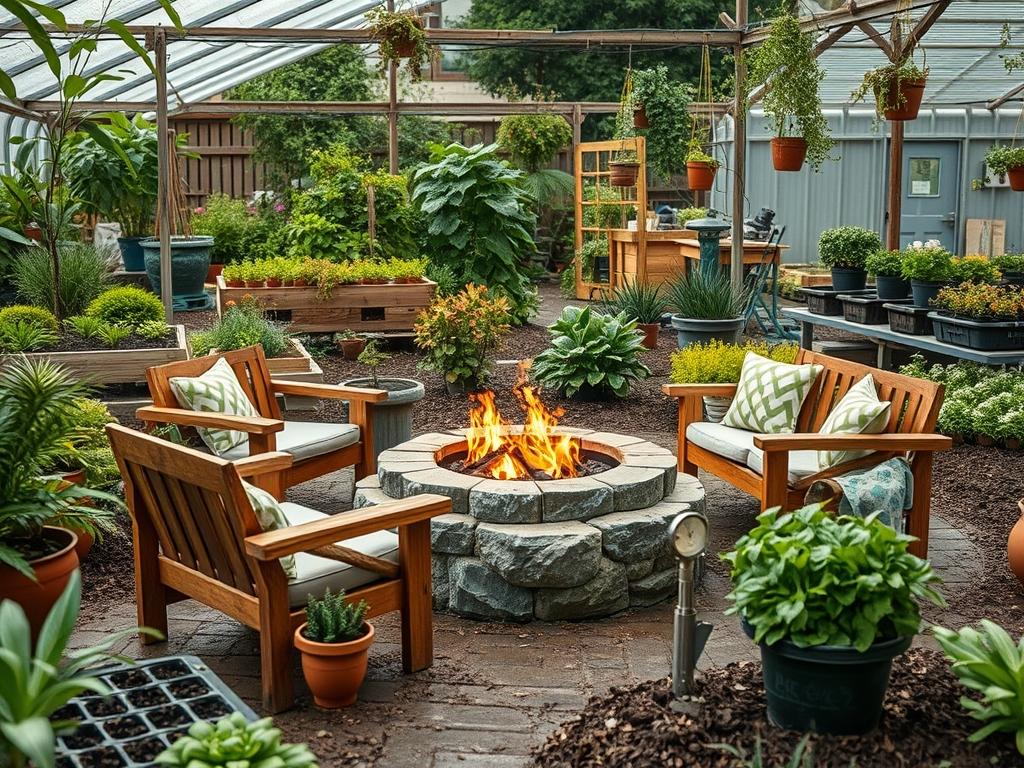
The transition from a passive garden landscape to an active outdoor living environment requires a strategic focus on the focal point. In most contemporary residential designs, the fire pit serves as this primary anchor. Creating an area for cozy fire pit seating is not merely about placing chairs around a flame; it involves complex considerations of thermal comfort, wind patterns, and spatial programming. As a landscape architect, I view the fire pit as the heart of the outdoor room, a destination that dictates the flow of foot traffic and the overall utility of the backyard. When addressed correctly, this feature enhances curb appeal and increases the footprint of the home by providing a functional space during the colder months. The primary challenge lies in balancing the hardscape’s permanence with the softscape’s seasonal fluctuations. Designers must mitigate risks such as smoke drift and heat intensity while ensuring the seating arrangement feels intimate yet safe.
Landscape Design Principles
Successful fire pit integration relies on the application of symmetry and visual balance to anchor the site within the larger garden context. When planning cozy fire pit seating, consider the concept of the “outdoor room,” which utilizes vertical planes to create a sense of enclosure. This can be achieved through the use of retaining walls, tall ornamental grasses, or strategically placed boulders. Elevation layers play a critical role here. A sunken fire pit, for instance, provides natural wind protection and creates a distinct architectural depression that separates the lounge area from the rest of the lawn. Conversely, a raised hearth can double as secondary seating, utilizing 18 inch heights to accommodate guests when formal chairs are filled.
To achieve year round functionality, practitioners must integrate fifteen specific seating concepts that address different environmental and social needs:
1. Built-in Masonry Semicircles: Using natural stone or veneer stone to create permanent, curved benches that follow the radius of the pit.
2. Sunken Conversation Pits: Excavating the seating area by 12 to 24 inches to create an intimate, sheltered zone.
3. Seating Walls: Extending retaining walls with flat capstones to provide overflow seating without adding clutter.
4. Adirondack Clusters: Using high quality poly-lumber or teak chairs that provide ergonomic support for long durations.
5. All-Weather Sectionals: Utilizing modular outdoor sofas with high-density foam and solution-dyed acrylic fabrics.
6. Boulder Perches: Incorporating large, flat topped glacier boulders for a rugged, organic aesthetic.
7. Swivel Lounge Chairs: Allowing guests to rotate between the warmth of the fire and the view of the landscape.
8. Hanging Daybeds: Suspending heavy-duty swings from a pergola or timber frame structure nearby.
9. Metal Bistro Sets: Ideal for small patios where a compact footprint is necessary.
10. Log Stool Rounds: Using treated cedar or oak stumps for a rustic, woodland feel.
11. High-Back Benches: Providing a physical barrier against cold “back-draft” winds.
12. Integrated Deck Seating: Building benches directly into the perimeter of a pressure-treated or composite deck.
13. Flagstone Insets: Creating “pockets” in the lawn with irregular flagstone to hold individual wrought iron chairs.
14. Pod Chairs: Utilizing spherical, woven resin chairs to create private, cozy cocoons.
15. Concrete Bench Slabs: Cantilevering smooth concrete surfaces for a minimalist, modern appearance.
Visual balance is maintained by ensuring the scale of the seating matches the diameter of the fire feature. A 36 inch fire pit feels overwhelmed by massive sectionals, while a 60 inch custom masonry hearth requires substantial furniture to avoid looking desolate. Walkway planning is equally vital. There should be a clear, minimum 36 inch path around the seating to allow for safe movement, especially when the fire is active.
Plant and Material Selection
The selection of flora and hardscape materials around a fire pit must account for heat radiating from the source and the potential for sparks. Plants should be hardy, non-combustible, and drought-tolerant to withstand the microclimate created by the hearth.
| Plant or Material Type | Sun Exposure | Soil Needs | Water Demand | Growth Speed | Maintenance Level |
| :— | :— | :— | :— | :— | :— |
| Blue Oat Grass | Full Sun | Well-drained | Low | Moderate | Low |
| Creeping Thyme | Full Sun | Sandy/Rocky | Low | Fast | Low |
| Dwarf Boxwood | Part Sun | Loamy | Medium | Slow | Moderate |
| Russian Sage | Full Sun | Poor/Dry Soil | Very Low | Fast | Low |
| Pea Gravel | N/A | Compacted Base | None | N/A | Low |
| Flagstone | N/A | Level Sand Bed | None | N/A | Low |
For hardscaping, crushed granite or pea gravel are excellent choices for the immediate perimeter because they are fireproof and provide excellent drainage. Avoid using river rocks or wet stones directly inside or touching the fire ring, as trapped moisture can cause them to crack or explode when heated.
Implementation Strategy
The execution of a fire pit seating area begins with site grading. The area must have a 1 percent to 2 percent slope away from the house and the fire pit itself to prevent water pooling. Once the grade is established, the designer should mark the “inner circle” for the fire pit and the “outer circle” for the seating. A common standard is to leave 7 to 10 feet of total diameter for the fire feature and its immediate clearance.
Begin by excavating the area to a depth of 6 to 8 inches for the base. Lay down a layer of non-woven geotextile fabric to prevent weeds and soil migration. Add 4 inches of crushed stone sub-base (such as 3/4 inch minus gravel), and compact it thoroughly using a plate compactor. For the seating surface, you may use natural flagstone, pavers, or decomposed granite. If installing built-in benches, ensure the footings extend below the local frost line to prevent heaving. Drainage is paramount. If the seating area is sunken, install a 4-inch perforated PVC drain pipe that leads to a daylight exit or a dry well. Finishing touches involve applying a 3-inch layer of hardwood mulch to surrounding planting beds and installing low-voltage LED path lights to ensure safe navigation after dark.
Common Landscaping Failures
The most frequent mistake in fire pit design is inadequate drainage. Without a proper exit strategy for rainwater, a fire pit becomes a pond, ruining the masonry and making the area unusable for days after a storm. Another critical failure is root overcrowding. Planting large canopy trees too close to a fire pit leads to two problems: heat damage to the foliage and future root intrusion that can crack concrete pads or paver joints.
Improper spacing is also a safety hazard. We often see seating placed too close to the flames, which makes guests uncomfortable and increases the risk of clothing catching sparks. A minimum of 30 to 36 inches between the edge of the fire pit and the start of the furniture is the industry standard. Additionally, soil compaction during the construction phase often leads to the death of nearby “legacy” trees. Heavy equipment should never be driven over the root zones of existing oaks or maples. Finally, irrigation inefficiencies occur when sprinkler heads are left in the middle of a new hardscape zone. These must be capped or rerouted to avoid water damage to the fire pit or the furniture.
Seasonal Maintenance
To keep the fire pit area functional year-round, a rigorous maintenance schedule is required. In the spring, inspect all hardscape joints for shifting caused by frost heave. Power wash stone surfaces to remove algae or moss buildup that can become slippery. During the summer, maintain a strict watering schedule for the surrounding softscape, as the extra heat from the pit can dehydrate plants faster than usual.
Autumn involves the most labor. It is essential to clear fallen leaves from the fire pit and the gravel base constantly; dry leaves are a major fire hazard. In winter, if the pit is not in use, cover the metal or masonry with a heavy-duty weighted tarp or custom cover to prevent moisture from entering cracks. For those using the pit in winter, ensure that a clear path is shoveled to the seating area to prevent ice from forming on the high-traffic walkways. Periodically check the retaining walls for any signs of structural fatigue or shifting caused by the freeze-thaw cycle.
Professional Landscaping FAQ
How far should seating be from the fire pit?
Maintain a minimum distance of 30 to 36 inches between the pit edge and your furniture. This allows for legroom and safety while ensuring guests remain warm without the discomfort of excessive radiant heat or smoke inhalation.
What is the best base material for fire pit chairs?
Compacted pea gravel or decomposed granite are ideal. These materials are fireproof, provide excellent drainage, and create a level surface for furniture. They also allow for easy adjustments if you choose to reposition your seating layout later.
Can I put a fire pit on a wooden deck?
It is only recommended if you use a specific fire-rated pedestal or a stone hearth pad to protect the wood. However, many local building codes prohibit open-flame pits on combustible surfaces; check local regulations and consider propane instead.
Which plants are safest to put near a fire area?
Focus on high-moisture, low-resin plants like succulents, lilies, or ferns. Avoid “fire-hungry” plants like junipers, pines, or tall ornamental grasses that dry out easily, as these can ignite quickly from a single stray ember or spark.
How do I prevent smoke from hitting the seating area?
Consider the prevailing wind patterns during the design phase. Position the seating in a “U” shape with the open end facing the wind, or install a natural windbreak like a stone wall or heavy hedge to redirect the airflow.