
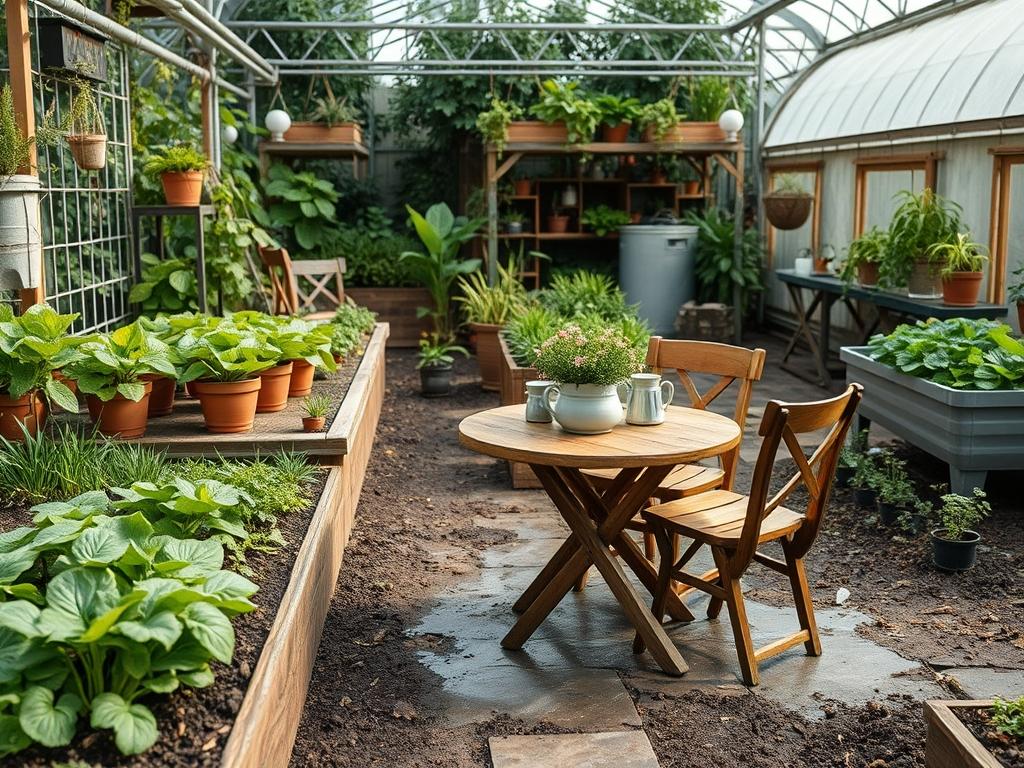
Creating a functional outdoor retreat begins with understanding that small scale furniture, specifically the bistro set, acts as a primary anchor for the transition between your home and the natural environment. While large dining tables demand expansive footprints, Backyard Bistro Set Styling utilizes compact geometry to maximize underused corners or narrow side yards. The challenge for many homeowners is the failure to integrate the furniture with the surrounding topography, leading to a disconnected Aesthetic. A successful installation considers the microclimate, specifically the movement of the sun throughout the day and the prevailing wind patterns that might affect comfort. By treating the bistro set as a secondary destination rather than an afterthought, you improve the overall circulation of your landscape and significantly increase the property value through enhanced curb appeal and functional square footage.
Landscape Design Principles
Effective landscape design for a small seating area relies heavily on the concept of visual anchoring. Without a defined perimeter or a structural backdrop, a bistro set can appear afloat within a lawn or patio. I recommend using symmetry to create a sense of formality; for instance, flanking the chairs with large terracotta planters or architectural shrubs creates an immediate sense of place. Focal points should be established to direct the viewer’s eye; a well placed sculpture or a splashing water feature positioned five feet from the seating area provides both a visual and auditory destination.
Elevation layers are equally critical in Backyard Bistro Set Styling. If the terrain is flat, you can create a sense of intimacy by sinking the patio by 6 inches or, conversely, raising it with a low retaining wall that doubles as overflow seating. For the flooring, consider the texture of the material. Irregular flagstone offers a rustic, organic feel, while decomposed granite provides an permeable, budget friendly alternative that drains efficiently. Regardless of the material, your base must be perfectly level to prevent the constant annoyance of wobbling furniture.
Irrigation planning must be integrated into the design before any hardscaping begins. Run polyethylene tubing beneath the patio surface to reach the surrounding plant beds. This ensures that your greenery remains vibrant without the unsightly presence of surface hoses. Finally, consider the walkway leading to the set. A path constructed of stepping stones spaced at a natural 24 inch stride length invites guests to explore the space and protects the turf from compaction.
Plant and Material Selection
Choosing the right flora ensures your bistro nook feels like a lush sanctuary rather than a barren corner. Focus on plants that provide sensory benefits, such as fragrance or soft textures, which are more appreciable at a close range.
| Plant Type | Sun Exposure | Soil Needs | Water Demand | Growth Speed | Maintenance |
| :— | :— | :— | :— | :— | :— |
| English Lavender | Full Sun | Well-drained | Low | Moderate | Prune after bloom |
| Boxwood ‘Green Velvet’ | Full to Part Sun | Loamy/Neutral | Medium | Slow | Annual shaping |
| Creeping Thyme | Full Sun | Sandy/Rocky | Low | Fast | Minimal |
| Japanese Maple | Filtered Shade | Slightly Acidic | Medium | Slow | Structural pruning |
| Sweet Alyssum | Full to Part Sun | Rich/Moist | Medium | Fast | Deadheading |
| Star Jasmine | Full to Part Sun | Well-drained | Moderate | Fast | Support training |
The materials you select for the bistro set itself should reflect the local climate. Powder-coated aluminum is ideal for humid environments due to its rust resistance, whereas teak or ipec wood offers a warm, natural aesthetic that develops a silver patina over time if left untreated. For the ground cover surrounding the set, use dark hardwood mulch or river rock to suppress weeds and maintain moisture in the subsoil.
Implementation Strategy
The process begins with a thorough site analysis and grading. You must ensure that the ground slopes away from your home or any permanent structures at a rate of at least 2 percent to facilitate proper drainage. Use a laser level and string lines to map out the footprint of your bistro zone. Once the perimeter is established, excavate the soil to a depth of 8 inches. This allows for a 4 inch layer of compacted crushed stone or 3/4-minus gravel, followed by a 2 inch layer of bedding sand.
Compact the gravel layer using a power plate compactor to prevent future settling. Once the base is solid, lay your chosen pavers or stones. Use plastic edge restraints and 10 inch steel spikes to lock the perimeter pieces in place, ensuring the hardscape does not shift under the weight of foot traffic. After the stones are set, sweep polymeric sand into the joints; this material hardens when misted with water, effectively blocking weed growth và preventing ants from colonizing the space.
For the surrounding planting beds, install a commercial grade landscape fabric only in areas with non-invasive species. Dig holes twice the width of the plant’s root ball and backfill with a mixture of native soil and organic compost. Finish the area with a 3 inch layer of mulch, making sure to keep the material a few inches away from the stems of the plants to avoid rot.
Common Landscaping Failures
The most frequent error in Backyard Bistro Set Styling is the neglect of drainage dynamics. When you install a hard surface, you create an impervious area where rain cannot penetrate. Without a planned exit point, water will pool at the base of the furniture or, worse, migrate toward the foundation of your home. Always include a French drain or a subtle swale if the site is located at the base of a slope.
Root overcrowding is another significant issue. Many homeowners plant fast growing privacy screens too close to the bistro patio. Over time, the expanding root systems of trees like the Leyland Cypress can heave the pavers, destroying the level surface you worked hard to build. Maintain a minimum distance of 5 feet between the patio edge and any large woody species.
Furthermore, irrigation inefficiencies often plague small gardens. Overhead sprinklers often drench the furniture, leading to premature wood rot or mineral deposits on metal. Use drip irrigation emitters focused at the base of each plant to keep the seating area dry and comfortable. Finally, avoid over-compacting the soil in the planting beds during construction, as this destroys the pore space necessary for oxygen to reach the roots, leading to stunted growth.
Seasonal Maintenance
A professional landscape requires a rhythm of care that shifts with the seasons. In the spring, your priority is the inspection of the hardscape. Search for any stones that have shifted due to freeze-thaw cycles and reset them with a rubber mallet. Apply a fresh application of pre-emergent herbicide to the mulch beds to stop weed seeds from germinating as the soil warms.
During the summer, focus on hydration and deadheading. Check your irrigation timers to ensure they are providing deep, infrequent watering which encourages deep root growth. Prune back any aggressive vines, such as Clematis or Wisteria, that might be encroaching on the seating area. If you use wrought iron furniture, inspect for small chips in the paint and touch them up with a rust-inhibiting primer to prevent oxidation.
Autumn is the season for soil health and protection. Apply a layer of de-stressed compost over the garden beds and replenish the mulch to insulate the roots against the coming cold. If your bistro set is made of sensitive materials like willow or non-weatherproof wicker, clean it thoroughly and move it into a shed or cover it with a heavy duty furniture cover.
In the winter, monitor for drainage blocks caused by fallen leaves or debris. Professional landscapers also recommend winter-pruning of deciduous trees while they are dormant. This is the best time to see the structural skeleton of the plant and remove any crossing or diseased branches, ensuring that by next spring, your bistro nook is perfectly framed by healthy, vibrant growth.
Professional Landscaping FAQ
What is the best material for a low maintenance bistro patio?
Interlocking concrete pavers or porcelain outdoor tiles are superior for longevity. These materials resist staining, do not require frequent sealing, and are easy to clean with a pressure washer or a simple stiff-bristled broom.
How do I prevent my bistro set from wobbling on grass?
You should never place furniture directly on turf. Instead, install individual 12 inch flagstones or paving rounds specifically under each leg of the chairs and table to provide a stable, level, and dry foundation.
How much space do I need for a 3-piece bistro set?
A functional area requires a minimum diameter of 6 feet. This allows for the 30 inch table, two chairs, and enough clearance for guests to move around the set without stepping into the surrounding planting beds or off the patio.
Which plants provide the best privacy for a small patio?
Tall grasses like Miscanthus or upright shrubs such as Sky Pencil Holly offer excellent verticality without a wide footprint. These species provide a green screen that feels architectural and intentional within a compact Backyard Bistro Set Styling plan.
Should I use a rug under my outdoor bistro set?
An outdoor-rated polypropylene rug is excellent for defining the space and adding texture. Ensure it is slightly larger than the furniture footprint to anchor the arrangement. Always clean the surface beneath the rug annually to prevent trapped moisture and mold.