
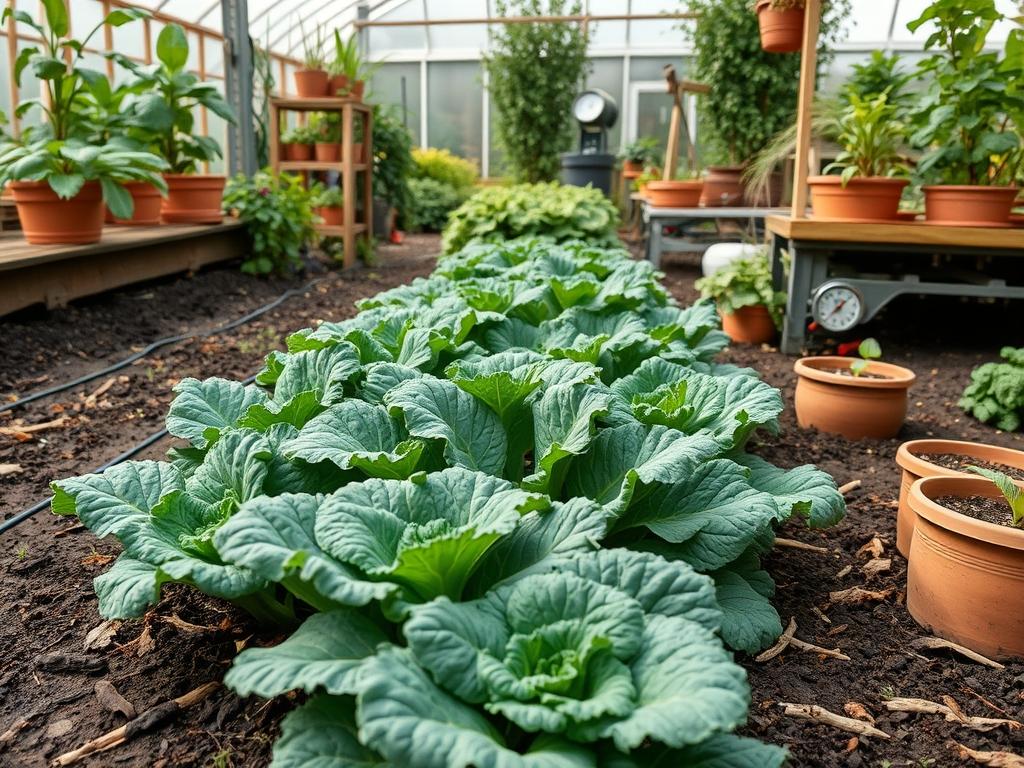
Integrating edible crops into a high-end landscape requires a shift in perspective from traditional row cropping to a focus on form, texture, and structural permanence. The challenge with a productive backyard kale patch often lies in its tendency to become leggy or monochromatic if not managed with professional design principles. From an architectural standpoint, kale is one of the most versatile “edimentals” because of its structural rigidity and varied color palette, ranging from the deep charcoal of Lacinato to the vibrant purples of Scarlet Kale. When planning these spaces, we must consider the outdoor environment as a cohesive unit where curb appeal meets utility. Successful integration demands a focus on microclimates and drainage; kale thrives in cooler zones but requires significant sun exposure to maintain its architectural integrity. By treating these plants as structural shrubs rather than disposable vegetables, a homeowner can achieve a sophisticated aesthetic that serves the kitchen while enhancing the property value. The following guide explores the nuances of Backyard Kale Patch Basics through the lens of professional landscape design and long-term site management.
Landscape Design Principles
In professional landscape architecture, we use kale to provide visual weight and vertical interest in lower garden tiers. Symmetry plays a vital role here. By flanking a central walkway with synchronized rows of Dinosaur Kale, you create a rhythmic lead-in to a focal point, such as a water feature or a stone bench. This plant selection serves as a mid-height layer, bridging the gap between low-growing groundcovers like Creeping Thyme and taller structural elements like Columnar Hornbeams or wooden trellises.
Elevation is another critical factor in a sophisticated garden layout. Planting kale in tiered Cedar Raised Beds or behind Natural Stone Retaining Walls provides the necessary drainage while elevating the plants to a height where their intricate leaf patterns can be appreciated. This elevation also creates a clean line between the productive zones and the recreational turf areas. To achieve visual balance, consider the “Rule of Three” by grouping different varieties with contrasting textures. Pairing the ruffled edges of Winterbor Kale with the smooth, strap-like leaves of Beaugreine creates a sophisticated tension that draws the eye without overwhelming the landscape. Furthermore, irrigation planning should be invisible; subsurface drip lines are preferred over overhead sprayers to prevent foliage disease and maintain a clean, dry aesthetic on the surrounding hardscaping.
Plant and Material Selection
Selecting the right materials and cultivars ensures the longevity of the landscape and the productivity of the patch. The following table outlines the technical requirements for a balanced edible installation.
| Plant or Material Type | Sun Exposure | Soil Needs | Water Demand | Growth Speed | Maintenance Level |
| :— | :— | :— | :— | :— | :— |
| Lacinato (Dino) Kale | Full Sun | Well-drained Loam | High | Fast | Medium |
| Red Russian Kale | Partial Shade | High Organic Matter | Moderate | Medium | Low |
| Curly Scarlet Kale | Full Sun | Neutral pH (6.5-7.0) | High | Medium | Medium |
| Cedar 4×8 Foot Beds | N/A | Structural Support | N/A | N/A | Low |
| Nitrogen-Rich Compost | N/A | Soil Amendment | N/A | N/A | Seasonal |
| Drip Irrigation Kit | N/A | Water Efficiency | N/A | N/A | Technical |
Implementation Strategy
The physical implementation of the garden begins with grading and site preparation. A professional installation requires a level surface to prevent runoff and soil erosion. Start by marking the perimeter of the patch using Landscaping Stakes and string lines. If the backyard has a slope greater than 1/4 inch per foot, consider installing a small Gravity Retaining Wall to create a level planting plane. Once the area is graded, remove the existing sod and excavate to a depth of 6 inches to address any underlying soil compaction issues.
For the edging, high-quality materials like Powder-Coated Steel Edging or Belgium Block provide a crisp transition between the kale and the rest of the landscape. This prevents the spread of invasive grass roots into the kale patch and maintains a sharp, professional finish. When filling the beds, use a professional-grade planting mix consisting of one third compost, one third peat moss, and one third perlite or coarse sand for drainage.
Spacing is a critical component of the Backyard Kale Patch Basics strategy. Each plant should be set exactly 18 inches apart on center to allow for adequate airflow and to prevent the leaves from overlapping, which can lead to fungal issues and poor light penetration. After planting, apply a 2 inch layer of double-shredded hardwood mulch or organic straw. This mulch layer serves three purposes: it suppresses weeds, retains moisture in the root zone, and provides a polished look that ties the garden into the broader landscape aesthetic.
Common Landscaping Failures
The most frequent mistake in backyard vegetable integration is poor drainage planning. Kale cannot tolerate “wet feet,” and soil that stays saturated will lead to root rot and stunted growth. If your soil has a high clay content, you must either amend it heavily with Expanded Shale or move to a raised bed system. Another common failure is improper spacing; while it is tempting to plant densely for a “lush” look, overcrowded kale beds quickly lose their structural appeal as the plants compete for light and become spindly.
Soil compaction is often overlooked. Heavy foot traffic near the planting zone compresses the soil pores, cutting off oxygen to the roots. To avoid this, always design the patch with designated Flagstone Walkways or Pea Gravel Paths so that maintenance can be performed without stepping into the growing medium. Lastly, irrigation inefficiencies, such as using oscillating sprinklers, can damage the delicate leaves and create a messy, muddy environment that detracts from the garden’s curb appeal. Stick to automated, timed drip systems for professional results.
Seasonal Maintenance
Managing a kale patch requires a year-round commitment to keep the landscape looking sharp. In the spring, focus on soil rejuvenation and pest exclusion. Installing Fine Mesh Floating Row Covers can protect young plants from cabbage looper moths while remaining relatively unobtrusive if tucked neatly into the bed frames. Ensure that you are testing the soil pH annually; kale prefers a slightly acidic to neutral range.
During the summer months, the primary goal is moisture management and heat mitigation. As temperatures rise above 80 degrees Fahrenheit, the kale may begin to bolt or go to seed. To maintain the aesthetic, prune back any flower stalks immediately to keep the energy focused on leaf production. In autumn, the garden often enters its most beautiful phase. Light frosts actually improve the sugar content of the leaves and deepen the purples and blues of the foliage. This is the time to refresh the mulch and check the integrity of your hardscaping. During winter, in many climates, kale will persist. You can utilize Clear Polycarbonate Cold Frames to extend the season while providing a clean, glass-house look to the backyard. Check for any structural damage to the beds caused by freeze-thaw cycles and plan your crop rotation for the following year to avoid nutrient depletion.
Professional Landscaping FAQ
How do I prevent my kale from looking messy in the front yard?
Maintain strict spacing and use structural edging. Grouping kale with ornamental flowers like Marigolds or Sweet Alyssum creates a deliberate, landscaped appearance rather than a haphazard vegetable plot. Regular harvesting of the lower leaves also keeps the plants looking tidy.
What is the best way to handle pests without ruining the aesthetic?
Utilize professional-grade Bacillus thuringiensis (Bt) sprays, which are biological and leave no residue. Additionally, interplanting with pungent herbs like Rosemary or Sage can naturally deter pests while adding to the aromatic and visual diversity of the landscape design.
Can I grow kale in containers on a patio?
Yes, but use large, heavy-bottomed Terra Cotta or Glazed Ceramic Pots to accommodate the deep taproots. Ensure each container has a minimum diameter of 12 inches and features a high-quality drainage hole at the base to prevent water logging.
How often should I replace the plants in my patch?
While kale is a biennial, it is best treated as an annual in a high-traffic landscape. Replace the plants every spring or fall to ensure they maintain their vibrant color and compact form, preventing the “woody” look of older stalks.
What mulch is best for a professional-looking kale bed?
Use Fine-Textured Cedar Mulch or Pine Bark Nuggets. Avoid dyed mulches (red or black), as they can leach chemicals into your edible crop. A natural, dark brown organic mulch provides the best color contrast against the blue-green kale leaves.