
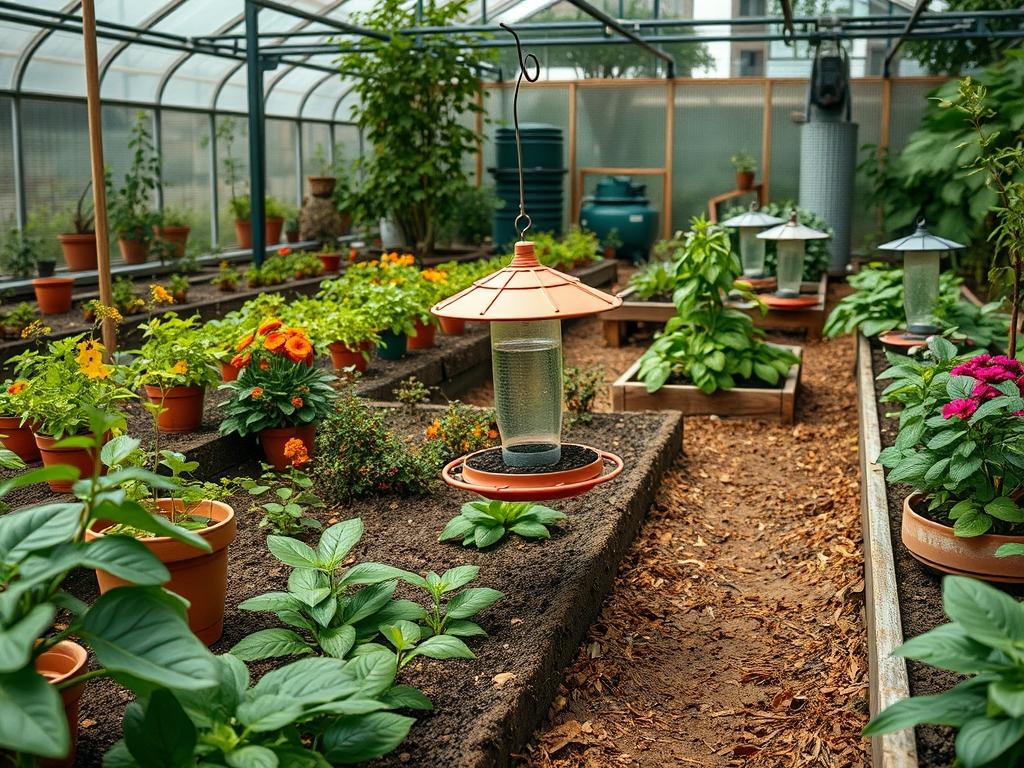
Integrating high-performance ecological features into a residential landscape requires a balance of aesthetic sophistication and biological utility. When we discuss backyard butterfly feeders, we are not simply referring to a temporary plastic tray placed on a porch. We are discussing the creation of a functional pollination corridor that enhances curb appeal while solving specific site challenges such as poor soil health or underutilized vertical space. For many homeowners, the challenge lies in blending these functional elements into a cohesive design that does not look cluttered or haphazard. A well-placed feeder serves as a focal point, drawing the eye toward specific garden layers and highlighting the textures of surrounding foliage. From a consultant perspective, we prioritize the longevity of the installation, ensuring that the materials used can withstand local climate fluctuations while providing a reliable food source for local lepidoptera species. Whether you are dealing with the humid coastal plains or the arid high deserts, the placement and maintenance of these feeders must be calculated to prevent issues like vector breeding or structural rot.
Landscape Design Principles
Successful integration of backyard butterfly feeders begins with the core principles of symmetry and visual hierarchy. A feeder should rarely stand alone. Instead, it should be anchored by various elevation layers to create a sense of depth. We typically recommend placing a primary feeder at the center of a floral island, using low-growing groundcovers like Phlox subulata at the edges and transitioning to mid-sized perennials. This layering hides the base of the feeder stand and mimics natural meadow structures, which makes the insects feel more secure from predators.
Symmetry plays a vital role in formal landscape designs. If you have a long flagstone walkway, placing identical feeders on either side creates a rhythmic progression that guides the guest through the space. Sightlines are equally important. One should be able to view the feeder from a primary indoor living area, such as a breakfast nook or a kitchen window, to maximize the biophilic benefits of the installation.
Irrigation planning is perhaps the most overlooked aspect of feeder placement. While the feeder provides sugar water or fruit, the surrounding plants require consistent moisture to provide the secondary nectar sources butterflies crave. We often design these areas with a dedicated drip irrigation line to ensure the plants stay vibrant without getting the feeder itself wet, which could lead to mold growth or the dilution of the attractant. Finally, elevation should be varied. Using retaining walls or raised garden beds allows you to place feeders at different heights, accommodating different species of butterflies that may prefer feeding at specific distances from the ground.
Plant and Material Selection
Selecting the right materials for the feeder and the surrounding flora determines the long term success of the habitat. We prefer non-porous materials like ceramic, glass, or stainless steel for the feeding trays. These are easier to sanitize than wood, which can trap bacteria in its grain.
| Plant Type | Sun Exposure | Soil Needs | Water Demand | Growth Speed | Maintenance Level |
| :— | :— | :— | :— | :— | :— |
| Asclepias tuberosa | Full Sun | Sandy/Well-drained | Low | Moderate | Low |
| Buddleia davidii | Full Sun | Rich/Loamy | Moderate | Fast | Moderate (Pruning) |
| Echinacea purpurea | Full Sun/Part Shade | Neutral pH | Low | Moderate | Low |
| Lantana camara | Full Sun | Any/Well-drained | Moderate | Fast | Low |
| Pentas lanceolata | Full Sun | Fertile/Moist | High | Fast | Moderate |
| Salvia nemorosa | Full Sun | Well-drained | Moderate | Fast | Low |
Implementation Strategy
The actual installation of backyard butterfly feeders involves more than just assembly. It requires a strategic site plan that addresses grading and drainage. Before placing any hardware, check the slope of the land. You want to ensure that the area beneath the feeder does not become a muddy sump. If the area is low-lying, consider installing a small French drain or a gravel sump filled with number 57 crushed stone to facilitate rapid infiltration.
Once the site is graded, define the perimeter using an aluminum landscape edging or a natural stone border. This prevents turf grass from encroaching on the feeder base and provides a clean, professional finish. For the feeder stand, use a 4×4 pressure-treated post or a wrought iron shepherd’s hook driven at least 18 inches into the ground for stability.
When arranging the plants around the feeder, spacing is critical. Follow the rule of thumb for mature width. Most homeowners plant too closely, leading to stagnant air pockets that encourage fungal diseases. After planting, apply a 3-inch layer of double-shredded hardwood mulch. This keeps the soil cool and suppresses weeds, while also providing a clean surface that prevents soil from splashing onto the feeder during heavy rain. If you are using a fruit-based feeder, ensure it is elevated at least 4 feet to discourage rodents and other opportunistic scavengers.
Common Landscaping Failures
The most frequent failure in butterfly garden design is improper drainage. If water pools around the base of your nectar plants, you risk root rot and the death of your “landing pad” flora. Furthermore, standing water in the feeder itself can become a breeding ground for mosquitoes within 48 hours. We recommend using feeders with built-in drainage holes or cleaning them every 3 days to break the larval cycle.
Soil compaction is another silent killer. During construction or heavy gardening, stepping repeatedly in the same spot around the feeder crushes the soil structure, preventing oxygen from reaching plant roots. If your soil is heavy clay, incorporate organic compost or expanded shale to create more pore space.
Improper spacing and root overcrowding often occur when gardeners try to achieve an “instant” look. This leads to competition for nutrients and water, causing the plants to look stressed and unattractive. Finally, irrigation inefficiency is a major hurdle. Overhead sprayers often wash away the nectar in flowers and can contaminate the feeder’s sugar solution. A dedicated low-flow drip system is the professional solution to this problem, delivering water directly to the root zone where it is needed most.
Seasonal Maintenance
Maintenance requirements fluctuate with the seasons. In the spring, the focus is on cleanup and preparation. Remove any winter mulch that has matted down and prune back dead perennial stalks to allow new growth to emerge. This is also the time to inspect the feeder hardware for any damage from frost or wind. Scrub all feeding trays with a 10 percent bleach solution to ensure they are sterile for the first arrivals.
During the summer, the priority shifts to hydration and sanitation. In high temperatures, sugar water can ferment in as little as 2 days. Inspect the feeders daily. If the solution looks cloudy, replace it immediately. Ensure your irrigation timers are adjusted for the summer heat, as nectar production in plants is highly dependent on consistent moisture levels.
Autumn maintenance involves preparing the landscape for dormancy. As the butterflies begin their migration or seek overwintering sites, do not be too quick to “tidy up” the garden. Leave some leaf litter and hollow stalks, as these provide essential shelter for larvae and pupae. Clean the feeders one last time and store them indoors to prevent cracking during the first freeze.
Winter is the time for structural assessment. With the foliage gone, you can see the “bones” of your landscape. Check your retaining walls, walkways, and edging for signs of shifting. This is the ideal window to plan any hardscape expansions or to order new plant varieties for the following spring.
Professional Landscaping FAQ
What is the best location for a butterfly feeder?
Place the feeder in a sunny, wind-protected area near nectar-rich plants. Avoid high-traffic zones where pets or children might disrupt the insects. Proximity to a water source, like a shallow stone birdbath, further enhances the habitat’s effectiveness.
How do I prevent ants from reaching the sugar water?
Use an ant moat, which is a small reservoir of water that sits above the feeder. Since ants cannot swim, they are unable to reach the nectar. Ensure the moat is kept full and clean of debris regularly.
Can I use red dye in my butterfly nectar?
No, professional architects and ecologists advise against using artificial dyes. Many butterflies are attracted to the color of the feeder itself or the surrounding Lantana and Salvia. Clear sugar water made with a 4-to-1 water-to-sugar ratio is safest.
What should I do if my feeder attracts bees or wasps?
Use feeders with bee guards or small port holes that discourage larger insects. Placing the feeder slightly further away from human seating areas can also mitigate conflicts. Providing a separate “trap” feeder for wasps can sometimes distract them from the primary station.
How often should I replace the fruit in a fruit-based feeder?
Replace sliced fruit like oranges, bananas, or melons every 2 to 3 days. In extremely hot weather, you may need to replace them daily to prevent excessive fermentation and to keep away unwanted pests like houseflies or gnats.