
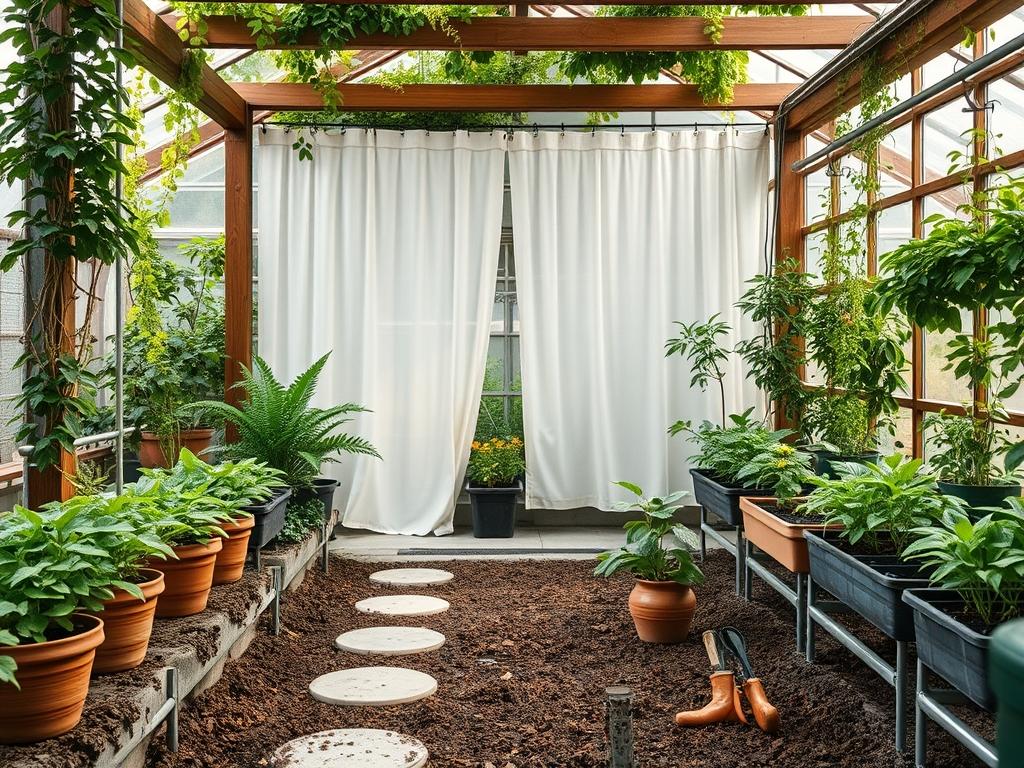
In the realm of modern residential landscape architecture, the transition between indoor comfort and outdoor exposure often hinges on a single structural element. The challenge for many homeowners involves creating an intimate sanctuary without sacrificing the open-air feel that justifies a backyard investment. Integrating Backyard Pergola Curtains serves as a sophisticated solution to this dichotomy, offering a flexible barrier that manages both environmental variables and sightlines. From a design perspective, these installations are not merely aesthetic additions; they function as kinetic walls that redefine the spatial dynamics of a garden. When professional designers evaluate a site, they consider the movement of the sun, prevailing wind patterns, and the proximity of neighboring structures to determine the optimal configuration of fabric and frame. This approach ensures that the outdoor living space remains functional throughout the day, providing relief from the harsh afternoon glare while establishing a definitive sense of enclosure. Proper site analysis also accounts for the curb appeal impact, where the vertical lines of the curtains can soften the rigid geometry of a timber pergola or a powder-coated aluminum frame. By layering these textiles with strategic softscaping, a landscape consultant can transform a static deck into a multi-sensory environment that balances privacy with the natural beauty of the surrounding flora.
Landscape Design Principles
Successful garden planning relies on the fundamental principles of symmetry and visual balance to guide the eye through the environment. When incorporating curtains into a pergola design, the fabric acts as a focal point that can either anchor a corner or frame a specific view. Architects often use the rule of thirds to determine where the panels should rest when retracted, ensuring that they do not obstruct established sightlines toward a water feature or a sculptural specimen plant. Elevation layers are equally significant. By varying the heights of the surrounding greenery, such as placing low-profile perennials in front of mid-sized shrubs, the designer creates a graduation of texture that complements the verticality of the curtains.
Walkways and circulation paths must also be prioritized during the planning phase. A pergola should never feel like a dead end; rather, it should serve as a destination or a transitional node within the broader landscape. Strategic placement of flagstone pavers or decomposed granite paths leads the viewer toward the draped structure, reinforcing its role as a primary outdoor room. Irrigation planning must be addressed early to prevent water from interfering with the curtain material. Subterranean drip irrigation lines are preferred over overhead sprayers in these zones to keep the fabric dry and free from mineral staining. This technical foresight ensures that the hardscaping and softscaping exist in a symbiotic relationship, where the structural elements enhance the performance of the living landscape.
Plant and Material Selection
Selecting the right biological components to surround a draped pergola requires a deep understanding of local microclimates and soil chemistry. The following table provides a blueprint for species that complement the privacy and aesthetic goals of a curtained outdoor space.
| Plant Type | Sun Exposure | Soil Needs | Water Demand | Growth Speed | Maintenance Level |
| :— | :— | :— | :— | :— | :— |
| Star Jasmine | Full Sun to Part Shade | Well-drained, loamy | Moderate | Fast | Moderate pruning |
| Sky Rocket Juniper | Full Sun | Adaptable, well-drained | Low | Medium | Low |
| Boxwood | Part Sun to Full Shade | Rich, moist soil | Moderate | Slow | High (shaping) |
| Climbing Hydrangea | Part Shade to Shade | Fertile, moist | High | Slow initially | Low |
| Japanese Forest Grass | Part Shade to Full Shade | Humus-rich | Moderate | Slow | Low |
| Lavender | Full Sun | Gritty, alkaline | Very Low | Medium | Low |
Implementation Strategy
The execution of a high-end backyard layout begins with meticulous site preparation. Before any curtains are hung, the ground beneath and around the pergola must be evaluated for grading. A standard slope of 1/4 inch per foot away from the home and the pergola footings is essential to prevent water accumulation. If the site is prone to saturation, installing a French drain system or a dry creek bed composed of river rock can redirect runoff efficiently. Once the drainage is secured, the focus shifts to the structural integrity of the curtain supports. We recommend using marine-grade stainless steel rods or heavy-duty aluminum tracks mounted with 3-inch lag bolts into the primary beams.
After the hardware is installed, the selection of the curtain material should focus on solution-dyed acrylic fabrics which offer superior UV resistance and color fastness. When measuring for the curtains, add 4 to 6 inches to the total width for a pleated, high-volume appearance when closed. The bottom of the curtains should clear the floor by 1 to 2 inches to prevent the fabric from wicking up moisture or debris from the ground. For the surrounding garden beds, start with a layer of landscape fabric if necessary, followed by 3 inches of organic cedar mulch to retain moisture and suppress weeds. Edging the beds with steel bender board or tumbled stone creates a clean transition between the lawn and the planted areas, reinforcing the professional finish of the project.
Common Landscaping Failures
One of the most frequent errors in garden planning is the failure to account for the mature size of plants. Root overcrowding happens when screening shrubs are planted too close to the pergola foundation, eventually causing the roots to heave the concrete footings or the paving stones. Improper spacing also restricts airflow, which is a primary cause of powdery mildew and other fungal issues in high-density plantings. Furthermore, many DIY projects suffer from soil compaction. When heavy equipment or constant foot traffic compresses the earth during construction, it destroys the pore space necessary for oxygen and water to reach the root zones. Amending the area with organic compost and using a broadfork to aerate the soil can mitigate this issue before planting begins.
Irrigation inefficiencies also plague many backyard designs. Placing high-volume rotors near a curtained pergola often results in saturated fabric, which leads to mold growth and hardware corrosion. Additionally, failing to account for the wind-load on a pergola when curtains are fully deployed can lead to structural failure. In regions prone to high gusts, it is imperative to use breakaway tie-backs or weighted hems that allow some movement without transfering excessive force to the rafters. Finally, neglecting drainage at the base of the pergola can cause the structural wood to rot over time, especially if mulch is piled directly against the posts.
Seasonal Maintenance
A professional landscape requires a dedicated maintenance schedule to preserve the longevity of both the living and structural elements. In the spring, the focus should be on cleaning the Backyard Pergola Curtains using a mild solution of soap and water. Inspect all mounting hardware for signs of rust or loosening due to winter temperature fluctuations. This is also the time to apply a slow-release fertilizer to the surrounding plants and refresh the mulch depth to a consistent 3 inches. As summer approaches, monitor the irrigation system for clogs or leaks. During periods of extreme heat, supplemental hand-watering may be required for younger plants that have not yet established deep root systems.
Autumn is the season for protection and preparation. Prune back any climbing vines or overhanging branches that might snag the curtains or drop excessive debris onto the fabric. If your region experiences heavy snow or ice, it is best to remove the curtains entirely, clean them, and store them in a dry environment to prevent weight-related damage to the pergola. Throughout the winter, check the drainage paths to ensure they are not blocked by fallen leaves. Maintaining clear channels for meltwater prevents the soil from becoming waterlogged during the dormant season. By adhering to these seasonal protocols, the integrity of the outdoor room is maintained, ensuring it remains an asset to the property for years to come.
Professional Landscaping FAQ
How do I prevent my pergola curtains from blowing excessively?
Utilize stainless steel cable guides at the bottom of the panels or sew heavy-duty zinc weights into the hem. This stabilizes the fabric against moderate breezes while maintaining the elegant drape required for high-end landscape aesthetics.
What is the best fabric for year-round outdoor use?
Solution-dyed acrylic is the industry standard for durability. Unlike dip-dyed polyester, the color is integrated into the fiber itself, providing exceptional resistance to UV fading, mold, and mildew in varied climatic conditions.
Should I plant vines directly on my pergola?
While aesthetically pleasing, vines can trap moisture against the structure. It is better to use wire trellises offset by 2 inches from the posts. This protects the wood or metal while allowing the plants to climb.
How do I choose the right height for my pergola?
Most professional designs utilize a height of 8 to 10 feet. This provides enough clearance for ceiling fans or heaters while keeping the Backyard Pergola Curtains at a scale that feels intimate rather than imposing.
How can I improve drainage around my pergola site?
Incorporate a 2 percent grade away from the structure and use porous paving materials like permeable pavers or gravel. This allows rainwater to infiltrate the soil naturally rather than pooling at the base of your architectural elements.