
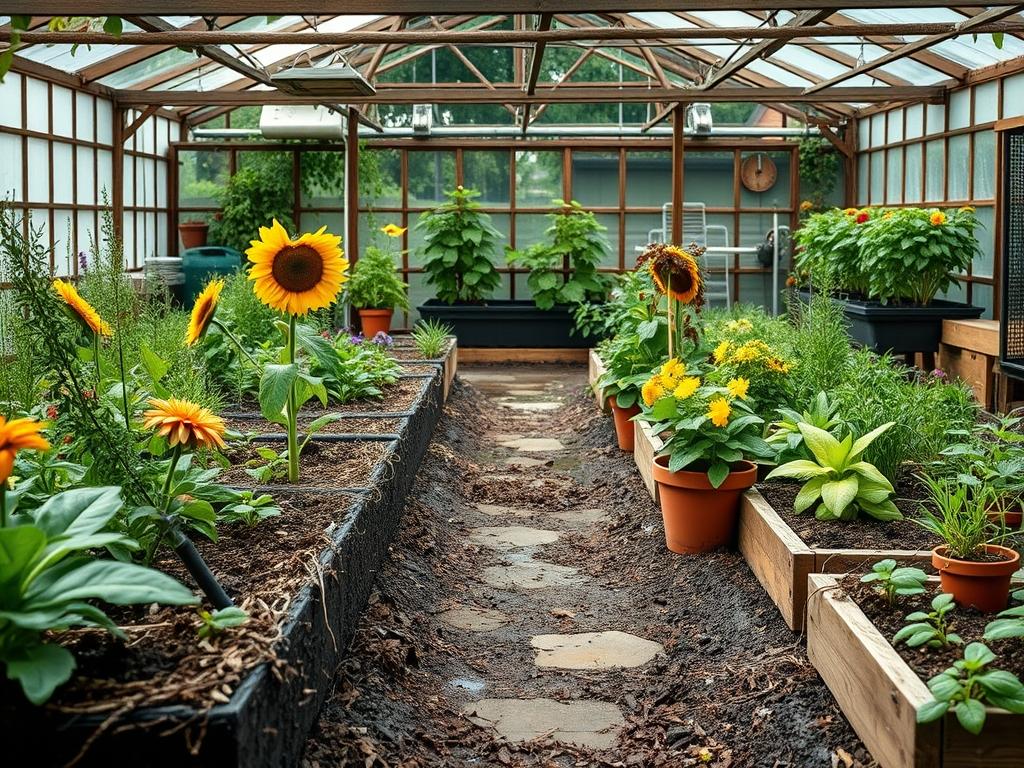
Designing a landscape is an exercise in balancing aesthetic intent with ecological responsibility. Homeowners often view the selection of backyard pollinator plants as a secondary decorative choice, but in a professional outdoor environment, these species serve as the foundation of a healthy ecosystem. A well planned pollinator garden does more than provide nectar for bees and butterflies. It enhances property value through increased curb appeal and creates a dynamic, living space that evolves with the seasons. Success requires a departure from the traditional turf-centric model toward a structured, multi layered approach that considers soil health, water management, and the specific life cycles of local fauna.
When we approach a site from a consultant perspective, we evaluate the microclimate of each zone within the property. A high performance backyard must handle storm water runoff effectively while providing high quality forage. By integrating native species into a sophisticated architectural layout, we solve functional challenges like erosion or poor drainage while simultaneously supporting biodiversity. This dual purpose methodology ensures that your investment in landscaping provides a high return in both environmental impact and personal enjoyment.
Landscape Design Principles
Professional landscaping relies on several core principles to transform a basic garden into a curated environment. The first of these is symmetry and visual balance. While pollinator gardens can often look unkempt if left to grow wild, a structured design uses crisp edges and repeated patterns to signal intentionality. We use focal points, such as a large Amelanchier tree or a stone water feature, to draw the eye and provide a sense of order.
Elevation layering is equally critical for both visual depth and habitat diversity. A professional plan organizes plants into three distinct tiers: the canopy which includes tall trees, the midstory consisting of shrubs and tall perennials, and the ground plane for low growing herbs and grasses. This vertical structure mimics natural woodland edges, providing shelter for various insect species at different heights.
Furthermore, irrigation planning and pedestrian circulation must be integrated at the earliest stages. We utilize hydrozoning, a technique where plants with similar water requirements are grouped together to optimize irrigation efficiency. Hardscaping elements, such as stone pavers or decomposed granite walkways, create necessary access points for maintenance. These paths ensure that the garden remains walkable and provides a clear boundary between the wilder planting beds and the high traffic outdoor living areas.
Plant and Material Selection
Selecting the right plants requires matching the specific environmental conditions of your site with species that offer high nutritional value to pollinators. The following table provides a professional guide for common high performance selections.
| Plant Type | Sun Exposure | Soil Needs | Water Demand | Growth Speed | Maintenance Level |
| :— | :— | :— | :— | :— | :— |
| Asclepias tuberosa | Full Sun | Sandy, well drained | Low | Moderate | Low |
| Monarda fistulosa | Full Sun / Part Shade | Rich, loamy | Medium | Fast | Moderate |
| Echinacea purpurea | Full Sun | Average, versatile | Low to Medium | Moderate | Low |
| Liatris spicata | Full Sun | Moist, well drained | Medium | Fast | Low |
| Salvia nemorosa | Full Sun | Gritty, well drained | Low | Fast | Moderate |
| Amsonia hubrichtii | Full Sun / Part Shade | Average, loamy | Medium | Moderate | Low |
| Solidago rigida | Full Sun | Poor to average | Low | Fast | Low |
In addition to the plants themselves, the selection of mulch and soil amendments is vital. We recommend shredded hardwood mulch applied at a depth of 3 inches to suppress weeds and retain moisture. For soil, a blend of 60 percent topsoil, 20 percent compost, and 20 percent coarse sand usually provides the ideal balance of nutrients and drainage for most native perennials.
Implementation Strategy
The transition from a design on paper to a physical landscape involves precise execution. We begin with site preparation, which includes grading the land to ensure water flows away from the home foundation and toward designated rain gardens or drainage outlets. If the site has significant slopes, retaining walls may be necessary to create level planting terraces and prevent soil washout.
Once the grade is established, we mark the outlines of the beds using marking paint. Edging is then installed to create a permanent barrier between the turf and the pollinator beds. We prefer 14 gauge steel edging or high quality stone borders to provide a clean, professional finish.
Before any plants go into the ground, we address irrigation by installing drip lines under the mulch layer. This method delivers water directly to the root zone, reducing evaporation and preventing the foliage diseases often caused by overhead spraying. When planting, each hole should be dug two times wider than the root ball but no deeper. This encourages lateral root growth into the surrounding native soil. After the plants are set, a layer of organic compost is applied before the final 3 inch layer of mulch is spread, taking care to keep the mulch away from the direct base of the plant stems.
Common Landscaping Failures
The most frequent mistake in backyard pollinator planning is improper drainage. If a site is not graded correctly, water will pool in low spots, leading to root rot and the eventual death of expensive plant material. Another common error is overcrowding. Homeowners often want an instant look and plant items too close together. Over time, this leads to poor air circulation and competition for nutrients, which weakens the plants and makes them susceptible to pests.
Soil compaction is another silent killer in the landscape. During construction or hardscaping installation, heavy machinery can crush the macropores in the soil, preventing oxygen and water from reaching roots. This must be corrected with mechanical aeration or the addition of broadforking techniques before planting. Finally, the use of systemic pesticides on or near pollinator plants is a catastrophic failure. Many nursery plants are pre treated with chemicals that are toxic to the very bees and butterflies you are trying to attract. Always verify that your plant sources are “neonicotinoid free” to ensure the health of your backyard habitat.
Seasonal Maintenance
A professional landscape is never truly finished; it is a living entity that requires curated care throughout the year. In the spring, maintenance focuses on “the big cleanup.” However, for a pollinator garden, we recommend waiting until temperatures are consistently above 50 degrees Fahrenheit before removing old stems. Many beneficial insects overwinter in the hollow stalks of last year’s growth. Once the season starts, apply a fresh layer of compost tea to boost soil microbiology.
During the summer month, the primary task is monitoring irrigation and managing weeds. Deadheading spent blooms on plants like Salvia or Echinacea can encourage a second flush of flowers, extending the foraging season for pollinators. In the autumn, rather than stripping the garden bare, we leave seed heads for birds and leave the fallen leaves in the beds. This leaf litter acts as a natural mulch and provides essential nesting sites for queen bumblebees. Winter maintenance is minimal and primarily involves structural pruning of woody shrubs and trees while they are dormant to ensure a strong framework for the coming year.
Professional Landscaping FAQ
How do I choose the right native plants for my region?
Consult local native plant societies or university extension offices. They provide lists of species that have evolved with your local climate and soil types. Selecting plants that are indigenous to your specific USDA Hardiness Zone ensures long term survival.
What is the best way to prevent weeds without chemicals?
Apply a thick layer of organic mulch at least 3 inches deep and use high density planting. When the canopy of your desired plants overlaps, it creates natural shade that prevents weed seeds from germinating through mechanical light suppression.
Can I create a pollinator garden in a small space?
Yes. Use vertical elements like trellises for climbing vines and select dwarf varieties of native shrubs. Container gardening with high quality potting mix and regular fertilization can also support significant pollinator activity on small patios or balconies.
How often should I water my new pollinator plants?
New plantings require consistent moisture for the first six to twelve months to establish their root systems. Water deeply two to three times per week depending on rainfall. Once established, most native pollinator plants are significantly more drought tolerant.
Does a pollinator garden attract unwanted pests or mosquitos?
A healthy, balanced ecosystem actually reduces pest outbreaks by attracting predatory insects like dragonflies and ladybugs. To prevent mosquitos, ensure there is no standing water in the landscape by maintaining proper grading and cleaning any birdbaths weekly.