
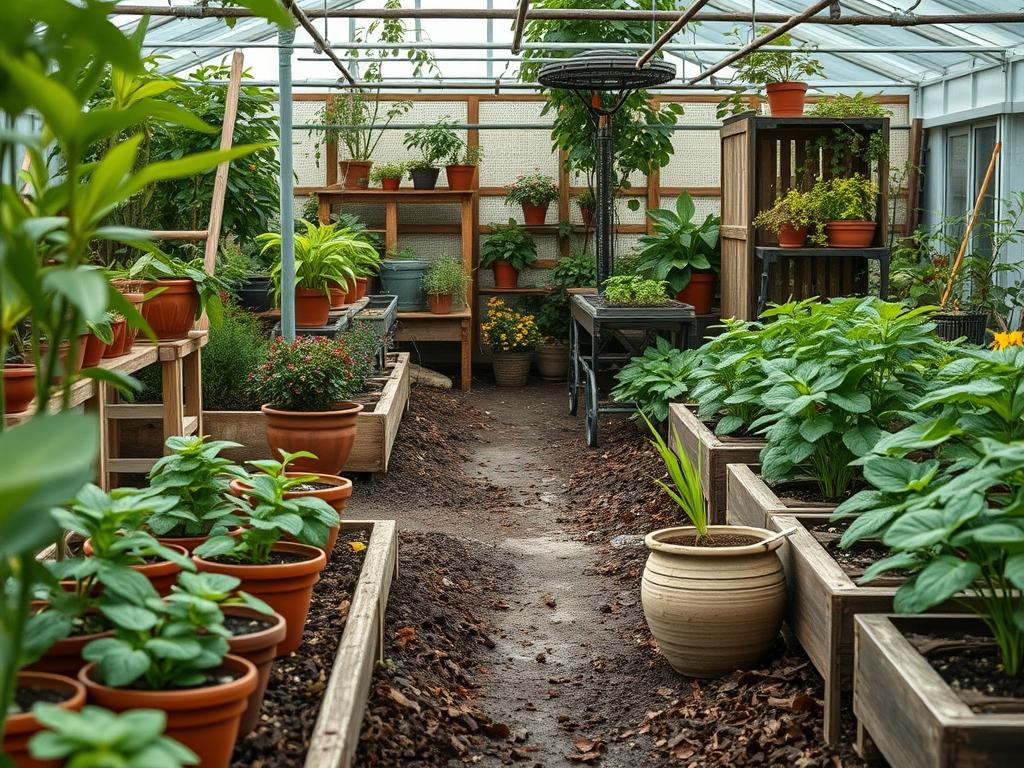
Designing a residential landscape requires a delicate balance between botanical diversity and the kinetic energy of a domestic dog. Many homeowners prioritize aesthetic curb appeal and property value without considering how canine behavior impacts the longevity of the garden beds. A successful outdoor environment must withstand frequent traffic, potential digging, and the inevitable territorial markers while remaining non-toxic to the animal. Understanding the intersection of horticulture and pet safety is essential for any professional landscape architect. When we select Backyard Safe Dog Plants, we are not merely choosing greenery that looks good; we are curating a resilient ecosystem that protects the health of the animal and the structural integrity of the soil. Climate considerations also play a pivotal role, as a plant that is safe in a temperate zone might become an invasive nuisance or a parched fire hazard in more arid regions.
The functionality of your outdoor space hinges on how animals and humans interact within the defined boundaries. From a landscaping perspective, we look at the yard as a series of zones and transitions. A dog will naturally patrol the perimeter of a property, creating what we call a “patrol path.” Instead of fighting this instinct with delicate flora, a professional design incorporates these paths into the overall aesthetic. Integrating Backyard Safe Dog Plants allows for a lush environment that does not compromise the well-being of your pet if they decide to nibble on a leaf or brush against a stem. This approach ensures that the landscape remains a high-value asset to the home, offering both visual tranquility and a functional playground for every member of the family.
Landscape Design Principles
Professional landscaping is governed by several core principles that ensure a space feels intentional and balanced. Symmetry and focal points are the first elements to consider when mapping out a dog-friendly backyard. By using Symmetry, you can create a sense of order that guides the eye away from high-traffic areas where grass might be thinner. Focal Points, such as a large Specimen Tree or a structural piece of Hardscaping, provide visual anchors. For dog owners, these focal points should be protected by Stone Edging or Raised Beds to prevent the animal from trampling the centerpiece of the garden.
Elevation layers are another critical component of a sophisticated landscape. We use a “high-middle-low” planting strategy to create depth. Tall trees like Magnolias provide the canopy, while mid-sized shrubs and ornamental grasses offer privacy and texture. Groundcovers and low-lying perennials fill the gaps. When planning this, Irrigation Planning must be integrated from the start. For canine-friendly areas, we recommend Sub-Surface Drip Irrigation over traditional spray heads. This prevents the dog from chewing on protruding plastic parts and ensures that the water reaches the root zone without creating muddy surface puddles that lead to tracked-in dirt.
Visual balance is achieved through the careful distribution of “mass” and “void.” The mass consists of your planting clusters, while the void is the open lawn or patio area. In a yard with dogs, the “void” needs to be durable. Instead of a fragile monoculture of grass, many architects now propose a mix of Micro-clover or hardy Zoysia Grass. These choices provide a soft, resilient surface for the dog to run on while maintaining the green aesthetic required for high curb appeal. Walkways should be designed using materials that are easy on paws, such as Smooth River Rock or Flagstone with wide, permeable joints filled with Creeping Thyme.
Plant and Material Selection
The following table provides a selection of Backyard Safe Dog Plants that offer a variety of textures, colors, and growth habits. This selection focuses on species that are resilient, non-toxic, and aesthetically pleasing for high-end residential designs.
| Plant Type | Sun Exposure | Soil Needs | Water Demand | Growth Speed | Maintenance |
| :— | :— | :— | :— | :— | :— |
| Snapdragons | Full Sun | Well-drained | Moderate | Fast | Medium |
| Marigolds | Full Sun | Fertile/Loamy | Moderate | Fast | Low |
| Zinnias | Full Sun | Rich/Well-drained | Moderate | Fast | Low |
| Sunflowers | Full Sun | Deep/Nutrient-rich | High | Rapid | Medium |
| Rosemary | Full Sun | Sandy/Dry | Low | Moderate | Low |
| Creeping Thyme | Full Sun/Part Shade | Well-drained | Low | Moderate | Low |
| Basil | Full Sun | Moist/Rich | High | Fast | Medium |
| Petunias | Full Sun/Part Shade | Light/Fertile | Moderate | Fast | Medium |
| Camellias | Part Shade | Acidic/Moist | Moderate | Slow | High |
| Magnolias | Full Sun/Part Shade | Deep/Acidic | Moderate | Slow | Medium |
| Coreopsis | Full Sun | Poor/Well-drained | Low | Moderate | Low |
| Star Jasmine | Full Sun/Part Shade | Variable | Moderate | Moderate | Medium |
| Blue Echeveria | Full Sun | Succulent Mix | Very Low | Slow | Low |
| Canna Lilies | Full Sun | Wet/Rich | High | Fast | Medium |
| Polka Dot Plant | Part Shade | Rich/Moist | Moderate | Moderate | Medium |
Implementation Strategy
Implementing a dog-safe landscape begins with proper Grading. A professional landscape must have a minimum 2 percent slope away from the home foundation to prevent standing water. Standing water is not only a threat to plant health via root rot, but it also creates mud pits that dogs will inevitably find. Once the Top topography is established, we move to Hardscaping and Edging. Using Steel Edging or Concrete Curbing around your garden beds creates a physical and visual boundary that helps train the dog to stay on the path.
The next step is the installation of Drainage Systems. In areas where soil is heavy with clay, a French Drain lined with Filter Fabric and filled with ¾-inch Crushed Stone is the industry standard. This ensures that even during heavy rains, the backyard remains navigable. When it comes to the garden beds themselves, the Mulch Depth is vital. We recommend a 3-inch Layer of Hardwood Mulch or Cedar Chips. Avoid cocoa mulch entirely, as it contains theobromine, which is toxic to dogs. Cedar is an excellent choice because it is naturally pest-resistant and provides a clean, professional finish.
Finally, consider the Planting Layout. Use the largest “anchor” plants first, such as Magnolias or Camellias, to establish the skeleton of the garden. Fill in with smaller perennials like Coreopsis and Snapdragons. If you have a dog that likes to dig, consider placing Large Boulders or River Rocks around the base of new plantings. This “cobbling” technique protects the young root systems until the plants are established enough to withstand a bit of canine curiosity.
Common Landscaping Failures
One of the most frequent failures in residential landscaping is the neglect of Soil Compaction. Over time, the repeated impact of dog paws packs the soil so tightly that oxygen and water can no longer reach the roots of the grass or shrubs. This leads to “leaf scorching” and stunted growth. To fix this, high-traffic yards should be aerated annually using a Core Aerator to pull small plugs of soil and allow the earth to breathe.
Another major error is improper spacing during the initial planting phase. Homeowners often want “instant” privacy and plant shrubs too close together. This leads to Root Overcrowding, where plants compete for the same nutrients and water, eventually leading to the death of the weaker specimens. Always follow the professional spacing guidelines, which often require 3 to 5 feet for mid-sized shrubs. This allows air to circulate, reducing the risk of fungal infections like powdery mildew.
Irrigation inefficiencies also plague many backyards. Over-watering is just as damaging as under-watering. When high-volume sprayers are used in dog yards, they often create “hot spots” of moisture that harbor bacteria. A professional setup uses Smart Controllers with Weather Sensors to adjust watering schedules based on real-time evaporation rates. Finally, failing to consider the “marking” behavior of male dogs can lead to localized nitrogen burn on prized plants. Using hardy species like Rosemary or Star Jasmine on the edge of the beds can mitigate this, as these plants are more resilient to the chemical makeup of canine waste.
Seasonal Maintenance
Landscape management is a year-round commitment. In the Spring, the focus is on “un-tucking” the garden. This involves removing any dead winter growth, refreshing the Mulch, and applying a slow-release, pet-safe fertilizer. It is the best time to check your Irrigation Lines for leaks caused by winter freezes or curious chewers.
During the Summer, the priority shifts to hydration and heat management. Provide plenty of shaded areas using Magnolias or Pergolas. If you use Decomposed Granite for paths, be aware that it can retain heat; keep these surfaces watered down to protect your dog’s paws. Autumn is for cleanup and preparation. Rake fallen leaves to prevent them from matting down the grass and creating “brown spots.” It is also the ideal time for Core Aeration and overseeding with hardy cool-season grasses.
In the Winter, maintenance involves protecting the soil from salt and ice-melt chemicals, which are often toxic to dogs and damaging to plants. Use pet-safe “Blue Ice Melt” sparingly and focus on protecting the roots of your perennials with a fresh 2-inch Layer of straw or pine needles. Ensure that Evergreen species like Star Jasmine are hydrated before the ground freezes, as they continue to lose moisture through their leaves throughout the cold months.
Professional Landscaping FAQ
Are marigolds actually safe for dogs if ingested?
Yes, Marigolds (Calendula) are non-toxic. While they might cause mild stomach upset if eaten in large quantities, they do not contain systemic toxins that pose a long-term health risk to canines.
What is the best mulch for a dog-friendly yard?
Triple-Shredded Hardwood Mulch or Cedar Bark are the best options. They stay in place well and are not toxic. Avoid cocoa mulch, which contains chocolate-related compounds that are dangerous for dogs.
How do I stop my dog from digging up new plants?
Use Boulders or Decorative River Stones around the base of new installations. This physical barrier, combined with a 3-inch layer of mulch, usually discourages digging until the plant is established.
Will petunias survive high-traffic areas?
Petunias are resilient but not indestructible. They are best used in Raised Beds or Hanging Planters where they provide color safely out of the direct path of a running dog.
Can I use Rosemary as a structural hedge?
Absolutely. Rosemary is a hardy, woody perennial that handles pruning well. It is non-toxic, smells excellent, and its dense structure makes it an ideal “living fence” for dog-safe zones.