
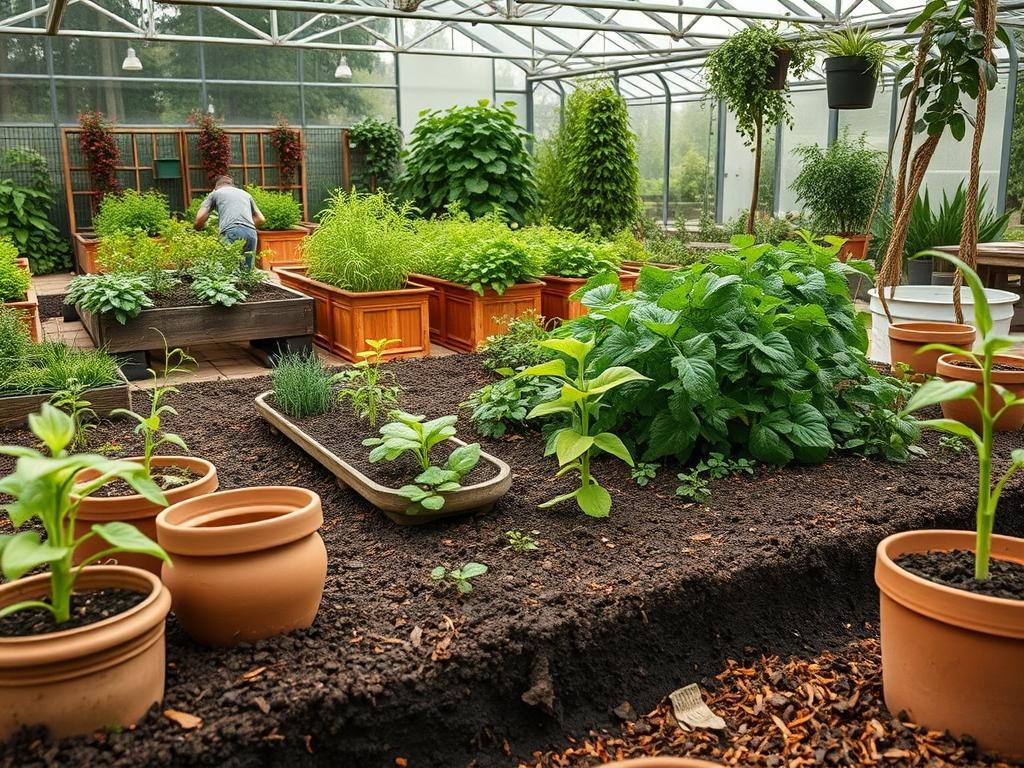
Designing a backyard for family-friendly lawn games requires a sophisticated balance between horticultural excellence and structural utility. Many homeowners find that their desire for a lush, aesthetically pleasing garden often competes with the physical demands of bocce, cornhole, or badminton. The primary landscaping challenge involves creating a durable surface that withstands high traffic while simultaneously maintaining the property’s curb appeal. Climate considerations play a massive role here, as the choice of turf and soil amendments must reflect local precipitation patterns and temperature fluctuations. A successful design ensures that the outdoor space is not merely a visual asset but a functional extension of the home’s living area. By viewing the lawn as an architectural element rather than simply a patch of grass, we can integrate recreation into a cohesive landscape plan. This approach focuses on both the long-term health of the ecosystem and the immediate enjoyment of the residents.
Landscape Design Principles
Achieving a professional finish starts with the application of core design principles, specifically symmetry and visual balance. In a space intended for family-friendly lawn games, the central game area typically acts as the primary focal point. To prevent this open space from looking barren, it should be framed by tiered plantings and structural elements. Using Retaining Walls can help define the boundaries of the play area while managing minor elevation changes. If the site is sloped, a low wall built from Natural Flagstone or Masonry Units provides a level playing surface while offering secondary seating for spectators.
Symmetry does not necessarily mean a mirror image on both sides of the yard. Instead, it refers to the distribution of visual weight. If you have a large, heavy cluster of Evergreen Shrubs on one side, you might balance it on the other with a pergolas or a substantial Hardscape element like a fire pit. This creates a sense of order and tranquility. Furthermore, irrigation planning must be integrated early. A dedicated zone for the play area should use high-efficiency Rotary Nozzles that ensure deep water penetration without creating muddy patches. Walkways are equally vital; they direct foot traffic and protect the grass from being compressed along common paths. Materials like Decomposed Granite or Paver Stones create clear transitions between the active game zones and the quiet botanical sections of the garden.
Plant and Material Selection
The following selections prioritize durability, aesthetics, and ease of management within a high-activity environment.
| Plant Type | Sun Exposure | Soil Needs | Water Demand | Growth Speed | Maintenance Level |
| :— | :— | :— | :— | :— | :— |
| Kentucky Bluegrass | Full Sun | Rich, Loamy | High | Moderate | High |
| Tall Fescue | Full/Partial | Well-Drained | Moderate | Fast | Medium |
| Boxwood Hedge | Full/Partial | Neutrally Ph | Moderate | Slow | Medium |
| Dwarf Fountain Grass | Full Sun | Sandy/Loam | Low | Fast | Low |
| Serviceberry Tree | Full/Partial | Moist/Acidic | Moderate | Moderate | Low |
| Creeping Thyme | Full Sun | Gritty/Poor | Very Low | Moderate | Low |
| River Birch | Full/Partial | Wet/Clay | High | Fast | Medium |
Implementation Strategy
Planning a backyard layout for family-friendly lawn games begins with a comprehensive site analysis. You must identify the sun’s path to ensure that players are not staring directly into the light during peak afternoon hours. Once the orientation is set, the grading process becomes the most critical technical step. For most lawn games, a grade of 1% to 2% is ideal. This is steep enough to allow water to move off the surface but flat enough that it feels level underfoot. Use a Laser Level to check for low spots that could harbor standing water, as these will eventually become mud pits.
After grading, install the drainage infrastructure. A French Drain hidden under the perimeter of the lawn can catch runoff from the play area and redirect it toward a municipal drain or a rain garden. Once the subgrade is stabilized, focus on the edging. Steel Edging or Concrete Curbing creates a crisp line between the grass and the mulch beds. This prevents the turf from encroaching on your ornamental plants and makes it easier to use a string trimmer. When applying mulch, maintain a depth of 3 inches to suppress weeds and retain moisture, but keep it away from the Root Flare of your trees to prevent rot. Hardscaping elements, such as a patio for a scoring table or equipment storage, should be installed on a base of 6 inches of compacted crushed stone and 1 inch of bedding sand to prevent shifting over time.
Common Landscaping Failures
One frequent mistake in designing for family-friendly lawn games is ignoring soil compaction. Repeated foot traffic squeezes the air out of the soil, which prevents oxygen and nutrients from reaching the root zone. Without proper aeration, even the highest quality grass will thin out and die. Another failure involves root overcrowding. Homeowners often plant trees too close to the game area. As these trees mature, their surface roots can create tripping hazards and uneven surfaces that interfere with the trajectory of a ball or beanbag.
Improper spacing of irrigation heads also leads to failure. Inconsistent coverage creates “hot spots” where the grass becomes brittle and breaks under the pressure of play. Furthermore, many designers fail to account for hydrostatic pressure behind retaining walls. Without sufficient Weep Holes and Gravel Backfill, water pressure can cause walls to tilt or collapse. High-traffic areas also suffer when homeowners select the wrong grass species. Using a delicate, shade-loving variety in a high-impact game zone will result in a landscape that looks worn and neglected within a single season.
Seasonal Maintenance
Spring is the time for rejuvenation and preparation. Begin by performing a Core Aeration to relieve the compaction from the previous year. This involves removing small plugs of soil to allow the ground to breathe. Follow this with a Top-Dressing of high-quality compost and overseeding with a traffic-tolerant seed blend. Check your Irrigation Controller for any leaks or broken heads that occurred during the winter freeze.
During the summer, the focus shifts to moisture management and mowing height. Raise your mower blade to at least 3.5 inches. Taller grass shades its own roots and develops deeper root systems, making it more resilient during the heat of a intense family tournament. Autumn is the best time for systemic repairs. Apply a slow-release fertilizer to strengthen the roots before dormancy and clear away fallen leaves immediately. Leaving a thick layer of leaves on the lawn can trap moisture and promote fungal diseases like Large Patch or Snow Mold. In winter, protect the landscape by minimizing traffic on frozen grass, as the ice crystals inside the plant cells can rupture when stepped on, leading to dead patches in the spring.
Professional Landscaping FAQ
How do I choose the best grass for heavy game use?
Select species known for high traffic tolerance and quick recuperative potential. Tall Fescue is excellent for transition zones, while Bermuda Grass is ideal for warmer climates due to its aggressive growth and ability to self-repair after damage.
What is the best way to handle puddles on the game lawn?
Address drainage by installing a sub-surface drainage system or a catch basin. Ensure the area is graded with a slight slope toward a designated exit point to prevent water from stagnating in the center of the play zone.
Can I use artificial turf for lawn games?
Yes, artificial turf provides a perfectly level, low-maintenance surface that is always ready for play. However, it requires a significant initial investment and a professional base preparation of compacted aggregate to ensure proper drainage and a flat finish.
How do I prevent game equipment from damaging my flower beds?
Install a physical barrier such as a low Boxwood hedge or a decorative Cedar fence. These structures serve as backstops for stray balls or equipment while adding a formal, architectural element to the overall garden aesthetic.
Does a play area lower my property value?
If designed as a multipurpose, high-quality lawn, it increases value. A well-maintained, lush green space framed by professional landscaping appeals to buyers looking for functional outdoor living, whereas a patchy, unkempt field can detract from the home’s appeal.