
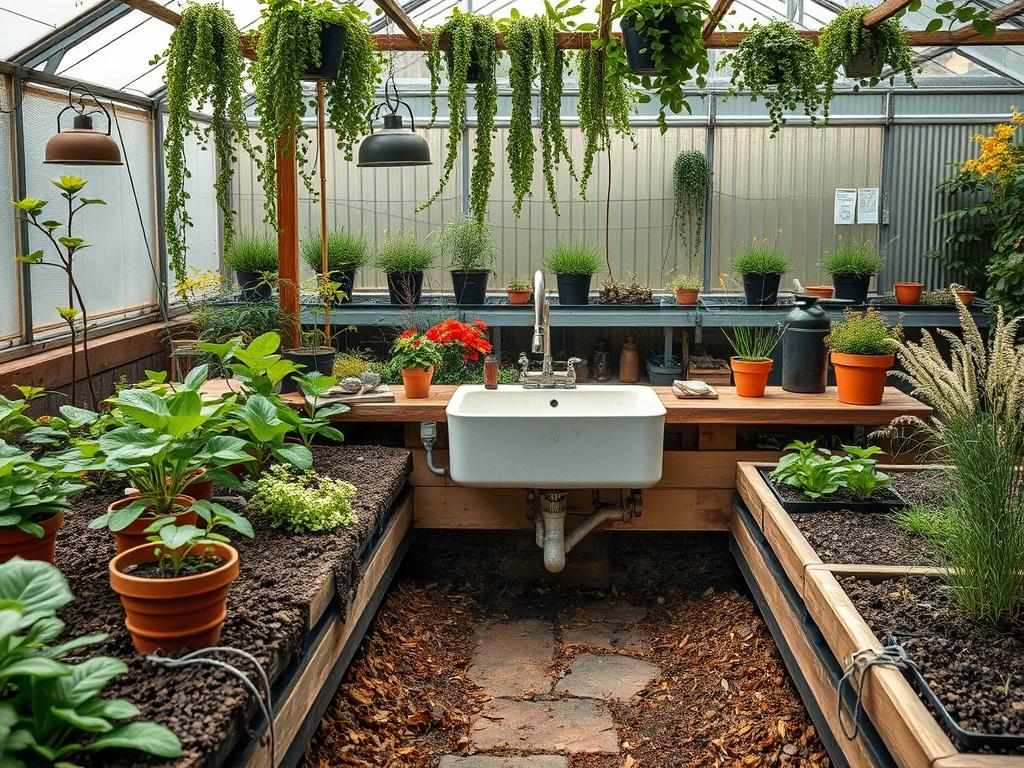
Integrating a functional sink into a modern outdoor kitchen is one of the most complex challenges a landscape architect faces. It requires a delicate balance between utility and aesthetic harmony. Unlike an indoor kitchen where plumbing is hidden within walls and floor joists, outdoor systems must contend with shifting soil, fluctuating temperatures, and the visual demands of a curated garden. A well planned sink station enhances curb appeal by signals a high level of intentionality and luxury. It transforms a simple grill station into a comprehensive culinary workspace. The goal of any outdoor environment consultant is to ensure that these mechanical requirements do not detract from the organic beauty of the landscape. Success is found when the infrastructure is as durable as the stone surrounding it.
Climate considerations are the primary driver of any outdoor plumbing plan. In northern regions, the threat of freezing pipes necessitates a system that can be completely drained and winterized. In more arid climates, the focus shifts toward water conservation and the potential for greywater reclamation to support nearby vegetation. Regardless of the location, the plumbing must be integrated into the broader grading and drainage plan of the property. Poorly managed runoff from a sink can lead to soil erosion or the pooling of water near foundations. By treating the sink as an integral part of the garden ecosystem, we can create a space that feels both permanent and practical.
Landscape Design Principles
Symmetry and focal points govern the placement of successful outdoor kitchens. The sink often serves as the anchor of the “wet zone,” which should ideally be positioned to minimize the distance to the main house water supply. However, placing the sink too close to the home can create a cramped environment. We look for elevation layers to define the space. By using retaining walls or raised masonry counters, we can create vertical interest while providing a hidden cavity for water lines and drainage pipes. This approach ensures that the functional components remain invisible to the guest while remaining accessible for maintenance.
Visual balance is achieved when the heavy elements of an outdoor kitchen are tempered by softscape transitions. Walkways leading to the kitchen should be wide enough for two people to pass comfortably, typically requiring a width of at least 36 inches. These paths should utilize permeable materials like crushed gravel or spaced pavers to allow for natural drainage. Irrigation planning must also be adjusted around the kitchen site. We avoid placing high output sprinkler heads near the sink area to prevent water spots on stainless steel fixtures and to ensure that the ground remains stable under the weight of heavy stone counters.
Plant and Material Selection
The following selection focuses on plants that thrive near high traffic culinary zones and materials that withstand the rigors of outdoor plumbing installations.
| Plant Type | Sun Exposure | Soil Needs | Water Demand | Growth Speed | Maintenance Level |
| :— | :— | :— | :— | :— | :— |
| Rosemary | Full Sun | Well-drained | Low | Moderate | Low |
| Boxwood | Partial Shade | Loamy | Medium | Slow | Moderate |
| Lavender | Full Sun | Gritty/Sandy | Low | Moderate | Low |
| Arborvitae | Full Sun | Moist/Well-drained | Medium | Fast | Low |
| Creeping Thyme | Full Sun | Well-drained | Low | Moderate | Low |
| Dwarf Fountain Grass | Full Sun | Adaptable | Low | Fast | Low |
Material selection for the plumbing assembly and surrounding hardscape should emphasize longevity. For the supply lines, PEX piping is often preferred over rigid copper because it can expand slightly if trapped water freezes, reducing the risk of a burst pipe. For the sink itself, 304-grade stainless steel or fireclay are the standards for resisting corrosion and environmental wear. Underlying these elements, a base of compacted 21A stone provides the structural integrity needed to prevent the kitchen from settling and shearing the underlying pipes.
Implementation Strategy
Planning the layout begins with a detailed topographical survey. Grading is the most critical step; the site must slope away from the sink and the main residence at a rate of at least two percent. Once the grade is established, we begin the trenching process. For standard water lines, we dig a trench at least 12 inches deep, though deeper may be required in colder climates to stay below the frost line. If the sink will be used for heavy organic waste, a connection to the main sewer line is necessary. If it is purely for rinsing, a dry well filled with coarse gravel may suffice, provided local building codes allow it.
After the trenches are excavated, we lay the PVC drainage pipe and supply lines. It is vital to use primer and solvent cement on all PVC joints to ensure a watertight seal. Before the trenches are backfilled, a pressure test must be performed. Once the plumbing is verified, we install the edging and mulch to define the garden beds surrounding the kitchen. A mulch depth of 3 inches is recommended to retain moisture for the perimeter plants and to suppress weeds that could interfere with the plumbing access panels. Finally, we install the natural stone veneer and granite countertops, ensuring that the sink is set with a high quality silicone sealant to prevent water from seeping into the cabinetry below.
Common Landscaping Failures
The most frequent error in outdoor sink installation is inadequate drainage management. Many homeowners underestimate the volume of “greywater” a sink can produce. If the surrounding soil is primarily clay, water will not percolate quickly enough, leading to stagnant pools that attract insects and drown the roots of nearby boxwoods. Another common failure is root overcrowding. Planting large trees like Oaks or Maples too close to the utility lines will inevitably lead to root intrusion. Eventually, these powerful roots can crush PVC piping or clog the perforations in a French drain.
Improper spacing between the sink and other appliances also creates functional friction. A sink placed directly next to a built-in grill leaves no room for “landing space” for hot pans or prep boards. From a mechanical standpoint, failing to install an accessible shut-off valve is a major oversight. If a leak occurs in the garden, the homeowner should not be forced to shut off water to the entire house. Lastly, soil compaction during the construction phase often goes unaddressed. Heavy machinery can compress the earth so tightly that it becomes impermeable, causing unpredictable surface runoff that can damage the landscape’s aesthetic and structural layers.
Seasonal Maintenance
Spring is the time for reactivation and inspection. Begin by flushing the lines to remove any sediment that settled over the winter. Check the faucet aerator for mineral buildup and inspect all visible joints for signs of stress or weeping. This is also the time to refresh the shredded hardwood mulch around the kitchen to maintain the thermal barrier for the soil and buried lines. As the weather warms into summer, monitor the soil moisture near the sink. Occasional splashes or minor leaks can create localized “wet spots” that may require adjusting your irrigation schedule for nearby herbs.
Autumn is the most critical period for plumbing longevity. Before the first frost, the water supply must be turned off at the main interior valve. Open the outdoor faucet and use an air compressor to blow out any remaining water from the lines. Use a shop vac to remove water from the P drains or add a non-toxic antifreeze if the trap cannot be emptied. During winter, the primary goal is protection. Cover the faucet with an insulated foam jacket and ensure that the sink basin is clear of debris or standing water that could freeze and crack the finish. Routine checks after heavy snowfalls will ensure that the weight of the snow is not compromising any exposed components.
Professional Landscaping FAQ
How deep should I bury the water lines for my sink?
Lines should be buried at least 12 inches deep for stability. In colder climates, they must be placed below the local frost line, which can be 24 to 36 inches, to prevent catastrophic freezing and pipe bursts.
Can I drain my outdoor sink directly into the garden?
This depends on local building codes and what you wash. For simple rinsing, a gravel-filled dry well may work. However, if using soaps or handling food waste, most jurisdictions require a connection to the main sewer line.
What is the best way to hide exterior plumbing?
Use raised planter boxes or retaining walls built from natural stone. Planting dense, evergreen shrubs like Boxwood can also provide a year-round visual screen while allowing easy access for future repairs or maintenance.
Does an outdoor sink require a hot water line?
While not strictly necessary, a hot water line significantly improves functionality for cleaning greasy pans. If running a dedicated hot line is too expensive, consider a small point of use electric water heater installed inside the outdoor cabinetry.
Which sink materials are best for a garden environment?
304-grade stainless steel is the industry standard for its rust resistance. For a more traditional or rustic aesthetic, fireclay or concrete sinks are excellent choices, provided they are properly sealed to withstand the elements and UV exposure.