
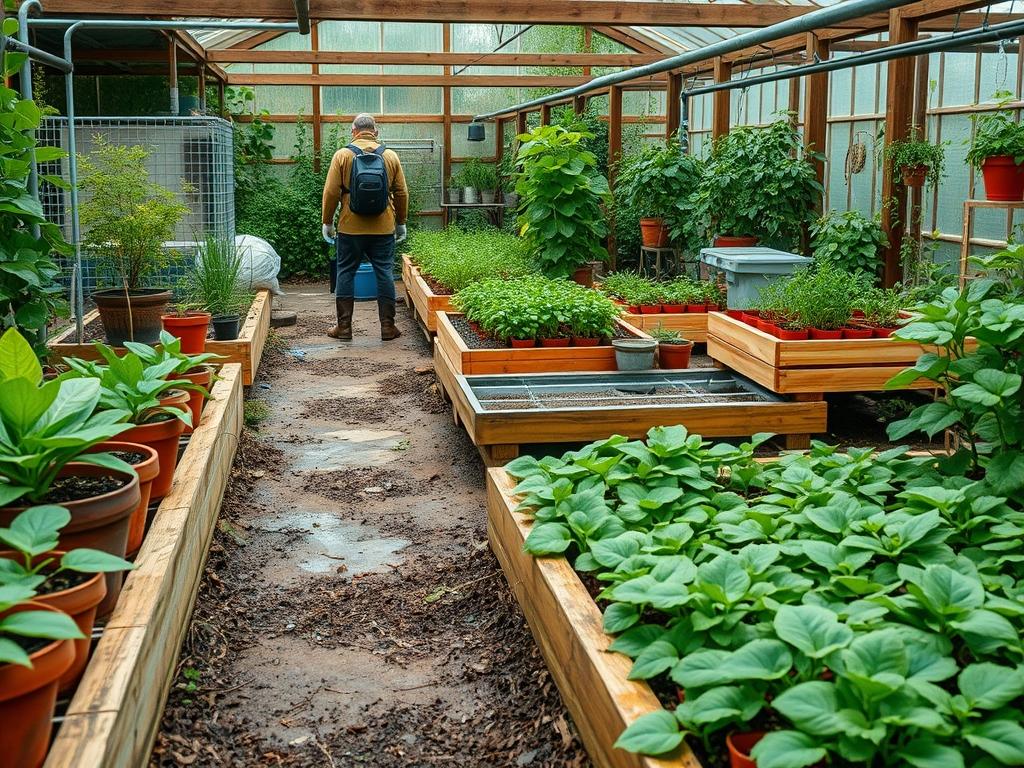
Algae growth in a residential landscape is rarely a standalone issue. Rather, it is a visible symptom of underlying environmental imbalances, primarily involving excessive moisture, poor air circulation, and inadequate sunlight. For homeowners and estate managers, a green film on pavers, retaining walls, or wooden decking represents more than just a loss of curb appeal. It poses a significant slip hazard and can lead to the structural degradation of organic materials like timber. Effective backyard algae removal tips must therefore go beyond temporary chemical fixes. A professional approach integrates site grading, strategic plant placement, and material selection to create a microclimate where algae cannot thrive. By treating the backyard as a cohesive ecosystem, we can transition from reactive cleaning to proactive landscape management.
Functionality in an outdoor space depends on the usability of hardscapes and the health of the softscape. When algae takes hold, it often indicates that the site is failing to shed water correctly or that the biomass is too dense to allow for evaporative drying. From a landscaping perspective, the goal is to enhance the aesthetic value of the property while ensuring that every square foot of the site serves a purpose. This involves analyzing the local climate, particularly the humidity levels and seasonal rainfall patterns, to determine which areas are most susceptible to biofilm development. Addressing these challenges requires a blend of architectural precision and horticultural expertise.
Landscape Design Principles
Symmetry and visual balance are the hallmarks of a well designed garden, but they must be supported by functional engineering. One of the primary principles in preventing algae is the management of elevation layers. By creating subtle slopes of at least 2 percent away from the home and high traffic areas, we ensure that water moves toward designated drainage points rather than pooling on surfaces. This elevation strategy prevents the stagnant conditions that algae requires to colonize stone and wood. Focal points, such as sculptures or specimen trees, should be positioned in areas with high visibility and good airflow. If a focal point is placed in a damp, shaded corner, it will inevitably become a magnet for green growth, requiring constant maintenance.
Irrigation planning is another critical design pillar. Many homeowners over water their landscapes, leading to chronic surface dampness. A professional irrigation layout uses drip emitters for plant beds and targeted rotary nozzles for turf, ensuring that water goes to the roots rather than the walkways. Furthermore, the choice of materials for paths significantly impacts algae proliferation. Pervious materials, such as decomposed granite or well drained gravel, allow water to infiltrate the soil directly. In contrast, non porous materials like poured concrete require meticulous pitch and yawning to prevent moisture buildup. By balancing hard and soft elements, we create a landscape that feels intentional and remains easy to maintain throughout the year.
Plant and Material Selection
Selecting the right biological and structural components is essential for a low maintenance backyard. The following table provides a guide for materials and plants that can help manage moisture and limit the conditions suitable for algae.
| Plant or Material Type | Sun Exposure | Soil Needs | Water Demand | Growth Speed | Maintenance Level |
| :— | :— | :— | :— | :— | :— |
| River Birch | Full Sun to Part Shade | Moist, acidic | High | Fast | Moderate |
| Japanese Forest Grass | Part Shade to Shade | Humus rich, moist | Moderate | Slow | Low |
| Hostas | Full Shade to Part Shade | Well drained, fertile | Moderate | Medium | Low |
| Permeable Pavers | N/A | Sub-base of Crushed Stone | N/A | N/A | Low |
| Maidenhair Fern | Shade | Moist, alkaline | High | Medium | Moderate |
| Creeping Thyme | Full Sun | Sandy, poor soil | Low | Medium | Low |
| Pea Gravel | N/A | Native soil with Filter Fabric | N/A | N/A | Low |
Implementation Strategy
The successful execution of a garden plan begins with a thorough site analysis. Start by using a transit level or a laser level to map the existing topography of the yard. This data allows you to plan for grading that directs runoff toward a French drain or a rain garden. Once the grade is established, the focus shifts to soil preparation. Compacted soil is a primary contributor to standing water. Incorporating organic compost and expanded shale into the ground improves porosity, allowing the earth to act as a sponge rather than a basin.
When laying out hardscape elements, always install a robust sub base. For a stone patio, this typically includes 6 inches of compacted 3/4-inch road base followed by a 1-inch layer of bedding sand. This structure ensures that moisture moves vertically through the joints rather than sitting on the surface. For flower beds, maintain a 3-inch depth of hardwood mulch. Mulch helps regulate soil temperature and moisture, but it must be kept a few inches away from the stems of plants and the foundations of walls to prevent rot and algae transfer. Finally, utilize aluminum edging or steel edging to create clean transitions between turf and planting zones. This prevents grass from encroaching on stone surfaces while providing a clear barrier for water management.
Common Landscaping Failures
One of the most frequent mistakes in backyard management is the neglect of drainage infrastructure. Even the most beautiful landscape will fail if water has nowhere to go. Surface drains often become clogged with debris, and if they are not cleaned regularly, they back up and create localized floods. This standing water provides the perfect nursery for algae and moss. Another common error is root overcrowding. When plants are spaced too closely, they compete for nutrients and, more importantly, block the wind. Without adequate air movement, the interior of the garden stays damp long after the sun comes out. Always follow the mature width recommendations for every shrub and perennial you install.
Improper irrigation timing also contributes significantly to algae issues. Watering in the late evening is a recipe for fungal and algal growth because the moisture sits on the foliage and hardscapes all night without evaporating. The best time to irrigate is the early morning, between 4:00 AM and 8:00 AM, which allows the sun to dry the surfaces quickly. Additionally, soil compaction from heavy foot traffic or construction equipment can turn a healthy yard into an impermeable slab. If your soil feels as hard as concrete, it likely needs mechanical aeration to restore the flow of oxygen and water to the root zone.
Seasonal Maintenance
Landscape management is a year round commitment that changes with the weather. In the spring, the priority is debris removal. Clear away fallen leaves and dead twigs that have accumulated in corners, as these organic materials trap moisture and feed algae. This is also the time to apply a pre-emergent herbicide if necessary and to check the function of all irrigation heads. During the summer, monitor for hot spots and adjust watering schedules to prevent over saturation in shaded zones. If algae appears on wooden decks, a light scrubbing with a solution of oxygen bleach and water can safely remove it without harming nearby plants.
Autumn requires a focus on preparations for the dormant season. As trees shed their leaves, frequent raking is necessary to keep the lawn and hardscapes clear. If leaves are left to rot on flagstone or pavers, they will leave tannins that stain the stone and provide a nutrient rich base for algae the following spring. In the winter, focus on moisture control. Ensure that gutters and downspouts are directed at least 5 feet away from the home and any major hardscape features. If you live in a climate with freeze thaw cycles, check for any shifting in retaining walls or walkways that might create new low spots where water could collect.
Professional Landscaping FAQ
How can I remove algae from my pavers without using harsh chemicals?
A pressure washer on a low setting paired with a stiff brush and a mixture of white vinegar and water is highly effective. The acidity of the vinegar kills the algae spores while the physical scrubbing removes the biological film from the stone pores.
Does mulch contribute to algae growth in my garden beds?
If mulch is applied too thickly, typically over 4 inches, it can trap excessive moisture and become a breeding ground for algae and slime mold. Maintain a consistent depth of 2 to 3 inches and turn the mulch occasionally to improve aeration.
Why does algae keep returning to the same spot on my North facing wall?
North facing areas receive the least amount of direct sunlight, staying damp for longer periods. To fix this, prune overhanging tree branches to increase light penetration and improve air circulation by thinning out nearby dense shrubs or ornamental grasses.
What is the best material for a low maintenance, algae resistant walkway?
Permeable pavers or natural gravel are excellent choices. These materials allow water to drain through the surface into the ground, eliminating the standing water that algae needs to grow. Ensure a proper crushed stone base is installed underneath for maximum drainage.
Can certain plants help reduce the moisture that leads to algae?
Yes, thirstier species like River Birch or Willow can help transpire large amounts of water from the soil. Additionally, groundcovers like Pachysandra can cover bare soil, reducing splash back onto walls and hardscapes, which helps prevent the spread of algae spores.