
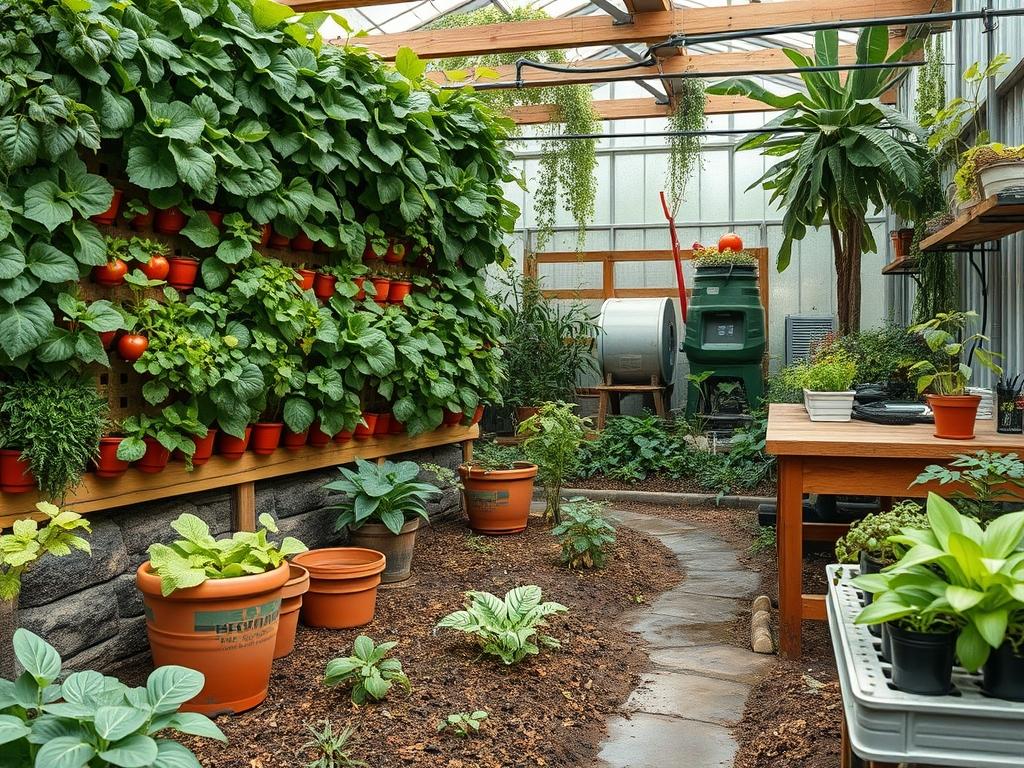
Converting a traditional backyard into a high-performance agricultural landscape requires a shift in perspective from horizontal planes to vertical elevations. For many homeowners, the primary landscaping challenge is the limitation of square footage. Traditional garden beds often compete for space with patios, walkways, and play areas; furthermore, they can be difficult to manage as the gardener ages. Backyard Vertical Veggie Walls solve these spatial dilemmas while simultaneously improving the curb appeal and thermal efficiency of the outdoor environment. By lifting the produce off the ground, we mitigate soil-borne diseases, improve air circulation, and create a striking focal point that adds significant architectural value to the site.
A successful vertical installation begins with a comprehensive site analysis. As consultants, we look at how the vertical structure interacts with the existing topography. A wall placed incorrectly can create a wind tunnel or cast unwanted shadows on other landscape features. Conversely, a well positioned veggie wall can serve as a living privacy screen, dampening neighborhood noise and providing a lush backdrop for outdoor dining areas. We must consider the weight of the structure when fully saturated with water and laden with mature fruit. High-yield systems often utilize heavy-duty anchors and structural fasteners to ensure the assembly remains stable during high wind events. Integrating these systems requires a balance between utility and aesthetics, ensuring the hardware does not detract from the organic beauty of the vegetation.
Landscape Design Principles
Effective landscape design for vertical systems relies on the principles of symmetry and focal points. When designing Backyard Vertical Veggie Walls, we often use the wall as a primary visual anchor. If the wall is centered on a major sightline from the home interior, it creates a seamless transition between indoor and outdoor living. To achieve visual balance, we employ elevation layers. This involves planting low-growing ground covers or ornamental grasses at the base of the wall to “ground” the structure. We might use creeping thyme or blue star creeper to soften the transition between the hardscape and the vertical verticality of the vegetables.
Irrigation planning is perhaps the most critical technical component of the design. Traditional overhead watering is inefficient for vertical systems because water often runs off before reaching the root zones. We recommend a dedicated drip irrigation system integrated directly into the wall structure. By using pressure-compensating emitters, we ensure that plants at the top of the wall receive the same volume of water as those at the bottom. This prevents the common issue of the lower tiers becoming waterlogged while the upper tiers desiccate. Furthermore, we must plan for walkways that are at least 36 inches wide to allow for comfortable harvesting and maintenance access without trampling the surrounding soil.
Plant and Material Selection
The success of a vertical harvest depends entirely on choosing the right cultivars for the specific micro-climate of the wall. We evaluate factors such as heat radiating from the mounting surface and the duration of direct solar exposure. The following table outlines the technical requirements for common vertical high-yield crops.
| Plant Type | Sun Exposure | Soil Needs | Water Demand | Growth Speed | Maintenance Level |
| :— | :— | :— | :— | :— | :— |
| Indeterminate Tomato | Full Sun | Compost-rich loam | High | Rapid | High (requires pruning) |
| Pole Bean | Full Sun | Well-drained sandy loam | Medium | Fast | Low |
| Black Magic Kale | Partial Sun | Nitrogen-heavy potting mix | Medium | Moderate | Medium |
| Cucumbers | Full Sun | Nutritious, loose soil | High | Rapid | Medium (requires training) |
| Malabar Spinach | Full Sun | Organic-rich moist soil | High | Very Fast | Low |
| Sugar Snap Peas | Full Sun/Part Shade | Cool, loamy soil | Moderate | Moderate | Low |
| Strawberries | Full Sun | Acidic, sandy mix | Moderate | Moderate | High (runners need management) |
In terms of materials, we prioritize durability. For the framing, western red cedar or thermally modified wood is preferred due to natural rot resistance. If using metal, galvanized steel or powder-coated aluminum prevents rust streaking on masonry. For the growing medium, we avoid standard topsoil, which is too heavy and prone to compaction. Instead, we use a custom blend of coconut coir, perlite, and vermiculite to ensure a lightweight, aerated environment for the root systems.
Implementation Strategy
The implementation of Backyard Vertical Veggie Walls starts with site preparation and grading. We must ensure the ground beneath the wall is level and stable. If the wall is being attached to a fence, we first verify the structural integrity of the 4×4 posts. If the wall is a free-standing structure, we often install a shallow concrete footer or a compacted crushed stone base to prevent settling over time. Proper drainage is non-negotiable. We typically install a French drain at the base of the wall, using a perforated pipe and drainage gravel, to move excess irrigation water away from the foundation of the home.
Once the structure is anchored, we install the mounting system, which might include wire mesh, cattle panels, or individual polypropylene planters. We then integrate the polyethylene tubing for the irrigation system. Edging the base of the wall with steel landscape edging or paver stones creates a clean line between the vertical garden and the lawn. Finally, applying a 2-inch layer of organic mulch at the base of the structure helps retain moisture and prevents soil splash-back onto the lower leaves of the plants, reducing the risk of fungal infections.
Common Landscaping Failures
The most frequent failure in vertical systems is poor drainage. When water cannot escape the container or the planting fabric, it displaces oxygen, leading to anaerobic conditions and root rot. We often see DIY projects where the user has neglected to include drainage holes or has used a soil mix that is too dense. Another common error is root overcrowding. Because the volume of soil in a vertical system is limited, gardeners must be disciplined about spacing. For example, a 12-inch wide vertical pocket should only house one large plant or two small herbs.
Soil compaction is another silent killer of high-yield walls. Over several months, gravity and watering cause the growing medium to settle and harden. To combat this, we recommend an annual “refresh” where the top 4 inches of soil are replaced with fresh compost and earthworm castings. Lastly, irrigation inefficiencies often stem from a lack of a backflow preventer or a pressure regulator. Without these components, the irrigation lines can blow out or contaminate the home water supply.
Seasonal Maintenance
Seasonal management is what separates a thriving veggie wall from an architectural eyesore. In the spring, the focus is on structural inspections and soil prep. Use a stiff-bristled brush to clean any algae or mineral deposits off the containers. Check all irrigation emitters for clogs by running the system for 5 minutes and observing the flow. This is also the time to apply a slow-release organic fertilizer to the soil.
During the summer, thermal management is the priority. Vertical walls dry out significantly faster than ground beds due to increased surface area. We may increase the irrigation timer to run twice daily. In the autumn, once the harvests are complete, remove all dead plant material promptly. Leaving old vines can harbor pests and pathogens over the winter. If the wall is in a region that freezes, blow out the irrigation lines with an air compressor to prevent pipe bursts. In winter, focus on structural repairs and planning the next season’s crop rotation to ensure the soil nutrients remain balanced.
Professional Landscaping FAQ
What is the best orientation for a vertical veggie wall?
A south-facing orientation is ideal for fruit-bearing vegetables like tomatoes and peppers; however, east-facing walls work well for leafy greens that benefit from morning sun and afternoon shade to prevent wilting during peak summer heat.
How do I prevent the wall from damaging my house siding?
Always maintain a 2-inch air gap between the veggie wall structure and your home siding using stainless steel standoffs. This prevents moisture from being trapped against the house, which could otherwise lead to mold, rot, or pest infestations.
Can I grow root vegetables in a vertical system?
While possible, it is not recommended for high-yield goals. Root crops like carrots require significant soil depth and consistent moisture. Vertical systems are better suited for vining, trailing, or upright plants that maximize the use of the vertical plane.
What is the lifespan of a cedar vertical garden?
High-quality western red cedar will typically last between 10 to 15 years in an outdoor environment. To extend this lifespan, apply a food-safe penetrating oil sealer annually to protect the wood from UV degradation and moisture absorption.
Do vertical veggie walls require special fertilizer?
Because vertical containers have limited soil volume, nutrients leach out faster during irrigation. We suggest using a water-soluble organic fertilizer applied every two weeks to ensure the plants have a constant supply of nitrogen, phosphorus, and potassium.