
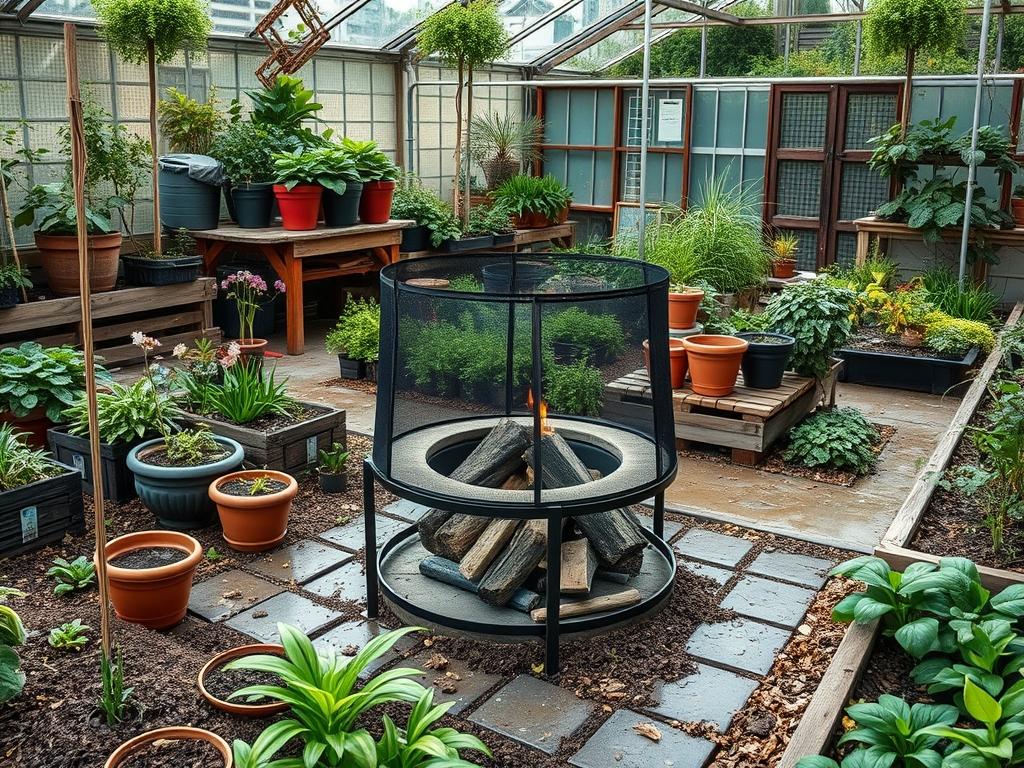
Designing a sophisticated outdoor environment requires a delicate balance between aesthetic beauty and physical comfort. When we specify a fire feature in a master landscape plan, we are essentially creating an outdoor living room that extends the property usable floor plan into the natural world. However, wind is often the most overlooked variable during the initial residential site analysis. Without proper mitigation, a luxury fire installation can become a nuisance or even a safety hazard. This is where Backyard Fire Pit Windguards play a pivotal role. They are not merely accessories; they are essential structural components that stabilize the flame, protect the surrounding hardscape from erratic heat, and ensure the safety of everyone present. By incorporating these glass shields, we preserve the intended ambiance and functional longevity of the outdoor space while enhancing the property overall curb appeal.
Effective landscape architecture seeks to resolve the conflict between the built environment and the elemental forces of nature. In high wind corridors or open coastal properties, a fire pit without a guard suffer from inconsistent performance. The flame may flicker out, or worse, heat may be pushed laterally toward sensitive materials or guests rather than rising vertically. Backyard Fire Pit Windguards act as a thermal chimney, encouraging the heat to move upward and creating a more efficient combustion environment. This efficiency reduces fuel consumption and prevents the soot buildup often associated with turbulent, wind tossed flames. When we look at a backyard through the lens of a consultant, we see every element as a contributor to the property value. A well protected, clean, and functional fire feature is a significant asset that appeals to high end buyers and improves the daily experience of the homeowner.
Landscape Design Principles
In the realm of professional landscape design, every installation must adhere to core principles to ensure the space feels cohesive and intentional. Symmetry and focal points are the primary drivers when placing a fire feature. We often utilize the fire pit as the central axis of a circular or square seating area, which creates a sense of order and balance. By adding Backyard Fire Pit Windguards, you maintain this visual clarity. The clear, Tempered Glass allows the eye to travel through the flame to the rest of the garden, preserving sightlines and the open feel of the landscape.
Elevation layers also play a critical role. A sunken fire pit area, for example, provides natural wind protection but requires meticulous drainage planning. Conversely, an elevated fire table on a deck or patio is more exposed to the elements. In these elevated scenarios, the integration of a windguard is non-negotiable for safety. We also consider the transition between the fire area and the rest of the yard. This involves planned walkways using Large Format Pavers or Flagstone that guide traffic flow while maintaining proper clearance from heat sources. Lighting should be subtle; the fire itself is the primary light source, and the reflective surfaces of the windguard can actually help amplify the glow, contributing to a more immersive evening atmosphere.
Plant and Material Selection
Selecting the right materials and flora around a fire feature involves understanding heat tolerances and growth patterns. You should avoid planting highly flammable or oily species, such as junquers or certain conifers, too close to the heat source. Instead, focus on succulents and fire-resistant perennials that can withstand the localized microclimate.
| Plant Type | Sun Exposure | Soil Needs | Water Demand | Growth Speed | Maintenance Level |
| :— | :— | :— | :— | :— | :— |
| Blue Fescue | Full Sun | Well-drained | Low | Moderate | Low |
| Agave | Full Sun | Sandy/Rocky | Very Low | Slow | Minimal |
| Ice Plant | Full Sun | Well-drained | Low | Fast | Low |
| Lavender | Full Sun | Neutral/Alkaline | Low | Moderate | Medium |
| Red Hot Poker | Full Sun | Rich/Sandy | Moderate | Fast | Medium |
| Creeping Thyme | Full/Partial | Gritty/Sandy | Low | Fast | Low |
For hardscape materials, we prioritize durability. Natural Basalt, Granite, and Cast Concrete are excellent choices for the pit surround. The Backyard Fire Pit Windguards themselves should be constructed from 3/16-inch or 1/4-inch Tempered Glass with Anodized Aluminum corner brackets to prevent corrosion. These materials ensure that the fire feature remains a permanent, high quality fixture rather than a temporary addition that degrades after a single season.
Implementation Strategy
The successful implementation of a fire feature begins with grading and site preparation. You must ensure the ground is perfectly level to prevent the fire pit from leaning, which could cause the glass windguard to sit unevenly or rattle. Start by excavating the area and installing a sub-base of Crushed Limestone or Class 5 Gravel, compacted in three inch lifts to prevent future settling. Proper drainage is paramount; we often install a French Drain or a dedicated yard drain if the fire pit is located at a low point in the topography to prevent water from pooling inside the burner assembly.
Once the base is set, the hardscaping can begin. Use a high quality Polymeric Sand between pavers to prevent weed growth and ensure a stable surface. When it comes to the fire pit itself, the burner pan must be centered and the gas or wood lines checked for leaks. The Backyard Fire Pit Windguards are typically installed last. They should sit roughly two inches outside the burner orifice to allow for proper air intake. This gap creates a venturi effect, drawing oxygen into the base of the fire and pushing the flame upward with greater stability. Finally, apply a layer of Landscape Fabric around the perimeter before topping with at least 3 inches of Mulch or Decorative River Rock to define the boundaries.
Common Landscaping Failures
One of the most frequent errors in garden planning is the failure to account for “heat stress zones.” Without Backyard Fire Pit Windguards, heat radiates horizontally, often scorching nearby shrubs or drying out the soil so rapidly that plants cannot survive. This leads to a ring of dead vegetation that ruins the aesthetic of the space. Another common mistake is poor drainage. If a fire pit is built without an exit path for rainwater, the burner components will rust and the internal structure will crumble over time.
Soil compaction is another silent killer in the landscape. During the construction of the fire pit, heavy foot traffic and material storage can compress the soil, preventing oxygen and water from reaching the roots of nearby trees. Always use Plywood Sheets to protect the turf and soil during the installation phase. Additionally, improper spacing of seating can lead to discomfort. We recommend a minimum of 18 to 24 inches of clearance between the edge of the fire pit and the seating, but this can be safely reduced slightly if a windguard is present to contain the heat.
Seasonal Maintenance
A proactive maintenance schedule ensures your landscape and fire features remain in peak condition throughout the year.
- Spring: Inspect the gas lines and burner for any blockages caused by insects or debris. Clean the Backyard Fire Pit Windguards using a mixture of white vinegar and water to remove stubborn soot or water spots. Prune any winter damage from surrounding perennials.
- Summer: Monitor irrigation levels. The heat from the fire pit can dry out the surrounding soil faster than other parts of the yard. Ensure that your Drip Irrigation system is delivering enough water to compensate for the localized heat.
- Autumn: Remove fallen leaves from the interior of the fire pit and the area surrounding the windguard. Dry leaves are a fire hazard and can clog the drainage holes in the burner pan. This is also the time to apply a fresh layer of Bark Mulch to insulate plant roots.
- Winter: If you live in a climate with heavy snow, consider covering the fire feature with a Weatherproof Tarp. While the Tempered Glass of the windguard is tough, extreme temperature fluctuations can be stressful. Always ensure the gas supply is shut off during periods of non-use.
Professional Landscaping FAQ
Why should I choose glass for a windguard?
Tempered Glass is the preferred material because it provides high heat resistance while maintaining transparency. It allows the beauty of the flame to remain visible from all angles while effectively blocking the wind and increasing safety for children and pets.
How much clearance does a fire pit need from the house?
For safety and local code compliance, most professionals recommend a minimum of 10 to 15 feet of clearance from any combustible structures, including your home, deck railings, and low hanging tree branches. Consult local fire ordinances for specific requirements.
Do windguards help save on fuel costs?
Yes. By stabilizing the flame and preventing the wind from “scouring” the heat away, Backyard Fire Pit Windguards allow the burner to operate more efficiently. This means you can achieve a higher, more consistent flame with less gas consumption.
Can I install a windguard on a DIY fire pit?
Absolutely. Many manufacturers offer custom sizes. Ensure the glass sits on a level surface and provides enough space for air to circulate at the base. Standardized kits are available for most common square and circular burner configurations.
Will the windguard get too hot to touch?
While the glass is designed to handle high temperatures, it will become hot during extended use. You should always use Heat Resistant Gloves if you need to adjust the guard while the fire is active or immediately after it is extinguished.