
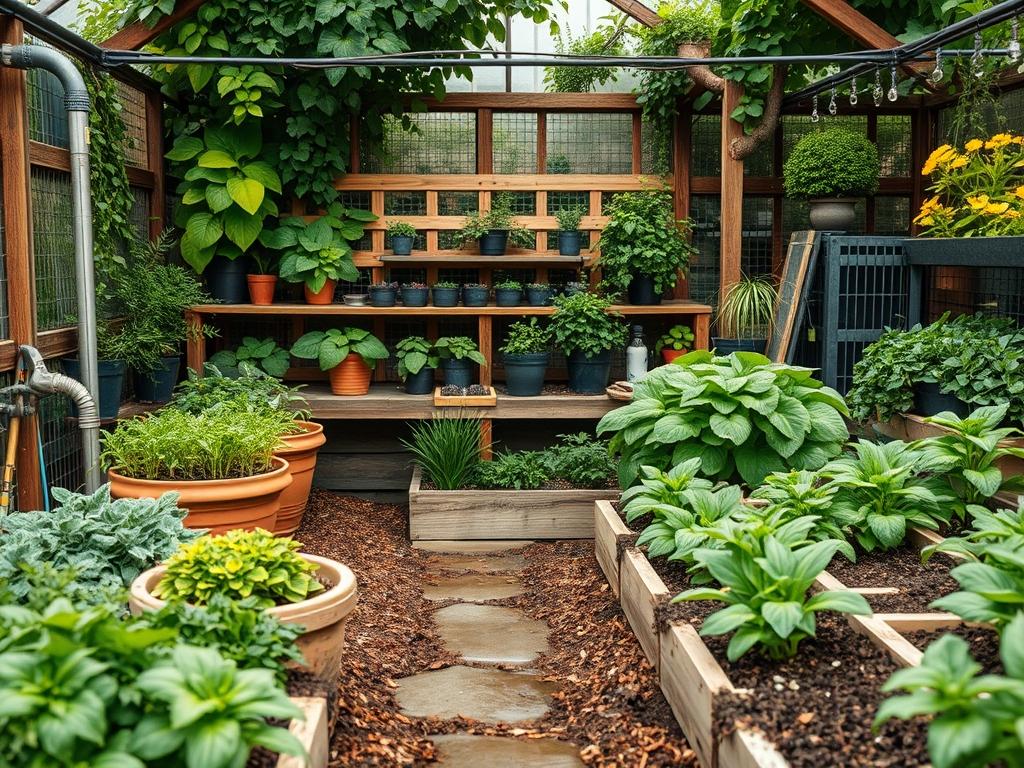
Integrating a high-end liquid utility into an outdoor living space requires more than just a basic connection to a garden hose. As a landscape architect, I view the installation of backyard wet bar plumbing as a complex marriage between structural engineering and aesthetic horticulture. The primary challenge lies in the dual necessity of providing a reliable pressurized water supply while managing graywater disposal without compromising the local ecosystem. Climate considerations are paramount; in northern latitudes, pipes must be buried below the local frost line, often 36 inches to 48 inches deep, to prevent catastrophic winter bursts. Conversely, in arid climates, the focus shifts toward permeable hardscaping to ensure that any runoff or spills do not lead to soil salination. A well-executed wet bar serves as a functional anchor for outdoor entertaining, significantly boosting curb appeal and property value by transforming a simple patio into a sophisticated secondary kitchen. Proper planning ensures that utility lines remain invisible, preserving the visual integrity of the garden while providing the luxury of running water and drainage in a natural setting.
Landscape Design Principles
Successful integration of backyard wet bar plumbing begins with the principle of visual balance and focal point management. The wet bar should not appear as a monolithic block dropped into a lawn; instead, it must be integrated using elevation layers and surrounding softscape. By utilizing retaining walls or raised masonry beds, a designer can physically mask the entry points of water lines and drainage pipes. This creates a cohesive look where the plumbing is tucked behind structural elements. Symmetry plays a vital role in formal designs, where a centered outdoor sink might be flanked by identical planter boxes or ornamental shrubs, drawing the eye toward the utility without highlighting the industrial nature of the fixtures.
Irrigation planning must also be synchronized with the wet bar location to avoid conflict between supply lines. I recommend a tiered approach to elevation where the wet bar sits on the highest grade of the social zone. This positioning naturally facilitates gravity-fed drainage for the sink, provided the slope maintains a minimum of 1/4 inch per foot toward the main sewer line or a dedicated dry well. Walkways leading to the bar should consist of natural stone pavers or decomposed granite to provide a stable, slip-resistant surface for guests. These paths also serve as strategic corridors for the subsurface utility trenches, allowing for easier access should repairs be necessary without disrupting established root systems of native trees.
Plant and Material Selection
| Plant Type | Sun Exposure | Soil Needs | Water Demand | Growth Speed | Maintenance Level |
| :— | :— | :— | :— | :— | :— |
| Miscanthus sinensis | Full Sun | Well-drained | Moderate | Fast | Low |
| Buxus microphylla | Partial Shade | Loamy/Rich | Medium | Slow | Medium |
| Liriope muscari | Full to Partial | Adaptable | Low | Moderate | Very Low |
| Hydrangea macrophylla | Partial Shade | Moist/Organic | High | Moderate | Medium |
| Juniperus horizontalis | Full Sun | Sandy/Poor | Low | Moderate | Low |
| Carex pensylvanica | Shade | Moist/Loamy | Moderate | Fast | Low |
Implementation Strategy
The step by step execution of a backyard wet bar plumbing project begins with a comprehensive site survey. Professional grading is the first physical task; the land must be shaped to carry water away from the house foundation and the bar structure itself. Once the grade is established, we begin trenching. Use a trenching shovel or a mechanical trencher to create paths for PEX piping for the supply and Schedule 40 PVC for the waste. It is essential to lay a 2 inch bed of leveling sand or pea gravel at the bottom of these trenches to prevent the pipes from shifting during soil expansion and contraction.
After the pipes are laid, a tracer wire should be installed alongside non-metallic lines to ensure they can be located by utility sensors in the future. Hardscaping comes next. If you are installing a bar island, use CMU blocks or steel framing anchored to a 4 inch thick concrete pad. The plumbing stub-outs must be positioned precisely within the footprint of the bar to avoid unsightly external piping. For the surrounding garden, apply a landscape fabric over the soil before adding 3 inches of shredded hardwood mulch. This layer regulates soil temperature and prevents weeds from encroaching on the plumbing access points. Finally, define the perimeter with steel edging or cobblestone borders to create a crisp transition between the functional bar area and the lush vegetation.
Common Landscaping Failures
The most frequent error in backyard wet bar plumbing is improper drainage. Many DIY installations rely on a simple bucket or a shallow soak pit that quickly becomes overwhelmed, leading to soil saturation and foul odors. Without a properly sized dry well or a connection to the home’s main lateral, the moisture can attract wood-destroying insects or cause nearby perennials to suffer from root rot. Soil compaction is another silent killer of outdoor infrastructure. When heavy equipment or high foot traffic compresses the earth around buried pipes, it can cause joints to crack or sag, leading to subsurface leaks that are difficult to detect until a sinkhole forms.
Improper spacing of plants relative to plumbing lines is a long-term failure point. Many homeowners plant willow trees or poplars too close to the bar. These species have aggressive, water-seeking root systems that can penetrate even the smallest gaps in PVC fittings, eventually clogging the entire drainage system. Furthermore, many fail to account for irrigation inefficiencies. If a sprinkler head is positioned to spray directly onto metal bar fixtures or limestone countertops, it can lead to mineral staining and premature corrosion. We recommend using drip irrigation emitters near the bar area to provide targeted hydration to plants without impacting the hardscape or outdoor appliances.
Seasonal Maintenance
Managing a backyard wet bar requires a seasonal rhythm to ensure the plumbing survives the elements. In the spring, the focus is on inspection and reactivation. Check all faucets, shut-off valves, and exposed fittings for cracks that may have developed over the winter. Flush the lines thoroughly to remove any sediment or stagnant water. This is also the time to refresh the mulch around the bar to a depth of 3 inches, ensuring that it does not touch the base of any wooden structures which could lead to rot.
During the summer, monitor the drainage flow. High usage during entertaining season can stress small-scale dry wells. If you notice slow drainage, it may be time to clear the grease trap or check for debris in the sink tailpiece. In the autumn, clear fallen leaves from the bar area and surrounding catch basins. Organic matter that decomposes in outdoor sinks can create stubborn clogs. As winter approaches, the most critical task is the winterization of the entire system. Close the main interior shut-off valve and open the outdoor faucets to drain the lines. Use an air compressor at a low pressure, roughly 30 PSI, to blow out any remaining water from the PEX lines. Covering the fixtures with an insulated faucet sock or a weatherproof vinyl cover will protect the finishes from ice and snow damage.
Professional Landscaping FAQ
How deep should I bury the water lines for my wet bar?
Lines must be buried below the local frost line to prevent freezing. In many temperate regions, this is between 12 inches and 18 inches, but colder climates may require depths of 36 inches or more for year-round safety.
Do I need a floor drain for my outdoor bar area?
A floor drain is highly recommended if the bar is located in a recessed area or on a non-permeable surface. It should be connected to a French drain or catch basin to prevent standing water during heavy storms.
What is the best way to handle sink drainage without a sewer connection?
A dry well filled with crushed stone and wrapped in filter fabric is an effective solution for graywater. Ensure it is located at least 10 feet away from any building foundations or large shade trees to prevent damage.
Can I use standard indoor faucets for my backyard wet bar?
It is better to use 304-grade stainless steel or solid brass fixtures specifically rated for outdoor use. Indoor faucets often feature internal components that cannot withstand UV exposure, extreme temperature fluctuations, or high humidity without corroding or leaking.
How do I prevent roots from damaging my underground pipes?
Install a root barrier between large trees and your utility trenches. Additionally, using Schedule 40 PVC with properly primed and cemented joints is more resistant to root intrusion than thinner, flexible tubing or older clay pipes.