
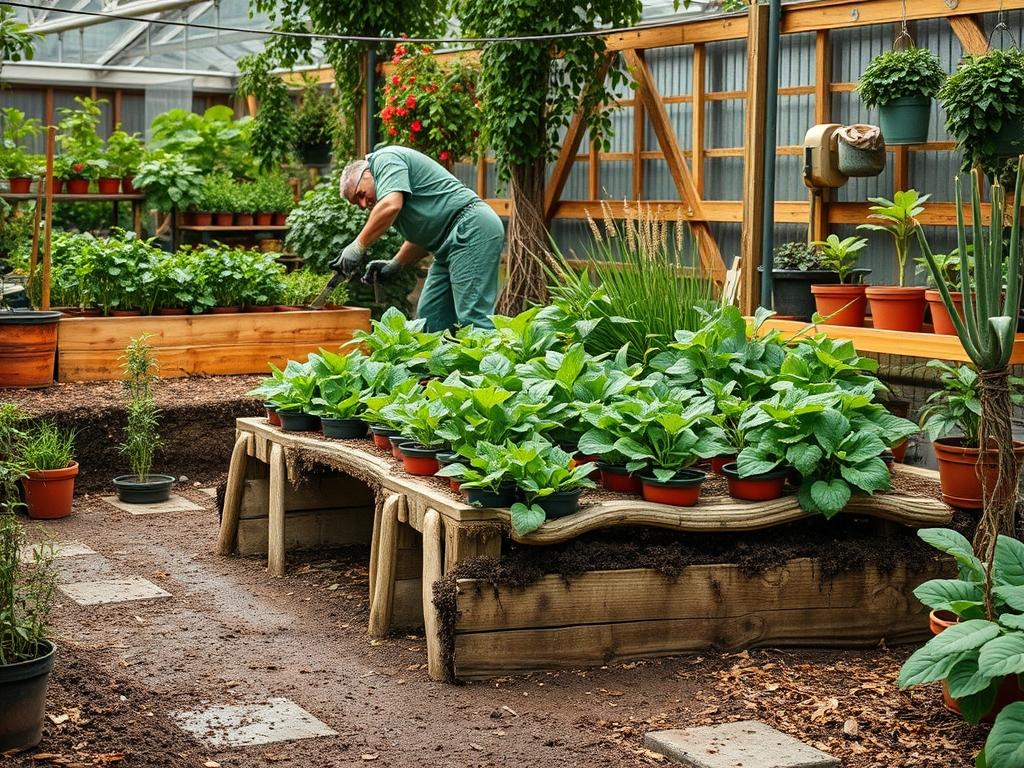
Maximizing the utility of a limited outdoor footprint requires a shift in perspective from horizontal expansion to vertical layers. Backyard tiered gardening solves the common dilemma of navigating steep slopes or narrow lot lines while simultaneously boosting the property value through sophisticated curb appeal. By breaking up a flat or angled expanse into distinct levels, you create micro-environments that allow for better soil management and diverse plant palettes. This architectural approach focuses on reclaiming unusable land, turning a difficult incline into a series of functional planting beds or seating areas. Transitioning a traditional yard into a multi level environment demands a blend of structural engineering and aesthetic cohesion, ensuring the transition between the home and the horizon feels intentional rather than fragmented.
Effective landscaping on a slope or in a compact area must address the physical reality of gravity. Water runoff, soil erosion, and light distribution change at every foot of elevation. A well executed tiered garden does more than save space; it organizes the visual field, leading the eye upward through a curated sequence of colors and textures. From a consultant perspective, the primary objective is to balance the heavy structural requirements of hardscaping with the softening influence of organic materials. This creates a rhythm within the landscape where each level serves a specific purpose, whether it is for culinary herbs near the kitchen or privacy screening along the perimeter.
Landscape Design Principles
Successful tiered gardening relies on the principles of symmetry and visual balance to prevent the structure from feeling overwhelming. When designing these layers, you should treat each tier as a unique zone that contributes to the larger focal point. Symmetry does not always mean a mirror image; rather, it refers to the weight of the objects on either side of a central axis. For instance, a heavy Retaining Wall on the left can be balanced by a dense cluster of Evergreen Shrubs on the right. Elevation layers should generally follow the natural grade of the land to minimize excessive excavation, which can compromise the integrity of the soil.
Irrigation planning is perhaps the most critical principle in tiered design. Water naturally migrates to the lowest point, meaning the top tiers will dry out significantly faster than the base. We recommend installing a drip irrigation system with pressure compensating emitters to provide precise moisture to each level. Walkways and stairs should be integrated into the tiers to provide easy access for maintenance. A 6 inch rise for steps is often considered the gold standard for comfortable outdoor navigation. These transitions should use materials that complement the home architecture, such as Natural Stone, Pressure-Treated Timber, or Pavers, to maintain a unified aesthetic throughout the environment.
Plant and Material Selection
Selecting the right components for a tiered system involves matching the plant physiology to the specific microclimate of each level. Upper levels are often windier and drier, while lower levels remain cooler and more humid.
| Plant Type | Sun Exposure | Soil Needs | Water Demand | Growth Speed | Maintenance Level |
| :— | :— | :— | :— | :— | :— |
| Creeping Juniper | Full Sun | Sandy, Well-drained | Low | Slow | Low |
| Hostas | Part to Full Shade | Rich, Moist Loam | Medium | Moderate | Low |
| English Lavender | Full Sun | Gritty, Alkaline | Low | Moderate | Moderate |
| Creeping Phlox | Full Sun | Rich, Well-drained | Medium | Fast | Low |
| Japanese Maple | Part Shade | Loamy, Acidic | Medium | Slow | Moderate |
| Sedum | Full Sun | Poor, Rocky | Very Low | Moderate | Very Low |
| Boxwood | Full Sun to Shade | Well-drained | Medium | Slow | Moderate |
Implementation Strategy
The first step in any backyard tiered gardening project is a thorough site analysis and grading plan. You must determine the total rise and run of the area to calculate how many tiers are necessary. Use a String Line and Line Level to measure the slope accurately. Start by marking the footprint of each wall with Landscaping Paint or Flour. Excavation begins at the lowest point of the slope. You must dig a trench for the first Retaining Wall that is at least 6 inches deep to create a stable foundation. Fill this trench with Crushed Stone or Gravel and compact it thoroughly using a Hand Tamper or Plate Compactor.
Once the base is level, begin laying your first course of stones or timbers. If using Interlocking Concrete Blocks, ensure they are slightly battered, meaning they lean back into the slope, to resist the pressure of the earth behind them. Behind every wall, you must install a Perforated Drain Pipe (French drain) wrapped in Filter Fabric to prevent silt from clogging the system. Cover the pipe with 3/4 inch Clean Stone. As you build upward, backfill each tier with a high quality mix of Topsoil and Compost. This layering process continues until you reach the desired height. Finally, apply a 3 inch layer of Hardwood Mulch to the surface of each tier to regulate soil temperature and prevent weed growth.
Common Landscaping Failures
The most frequent mistake in tiered gardening is the omission of proper drainage mechanisms. Without weep holes or drainage pipes, hydrostatic pressure builds up behind the walls after a heavy rain. This pressure can cause even the most expensive Natural Stone wall to bulge or collapse entirely. Another common oversight is the lack of a compacted base. If the first tier is built on soft, loose soil, the entire structure will settle unevenly over time, leading to unsightly cracks and structural instability.
Root overcrowding is another issue that plagues tiered systems. Homeowners often plant large tree species in narrow tiers, failing to realize that the root ball will eventually exert enough force to displace the heavy blocks or timbers. Always choose plants with non-invasive root systems for tiered structures. Furthermore, soil compaction during the construction phase can kill the biological life in your planting beds. Use an Aerator or a Garden Fork to loosen the soil before planting to ensure that oxygen and water can reach the roots of your Native Plants.
Seasonal Maintenance
Seasonal care is vital to protect your investment and keep the tiered garden flourishing. In the spring, inspect all Retaining Walls for signs of shifting or winter salt damage. This is the time to clear out debris from drainage outlets and apply a fresh layer of Compost to top off the tiers. Prune any winter kill from Ornamental Grasses or Shrubs using Bypass Pruners to encourage new growth.
During the summer, monitor the moisture levels of the upper tiers closely. If temperatures exceed 90 degrees, you may need to supplement your irrigation system with manual watering. Fall is the season for bulb planting and structural maintenance. Clean out fallen leaves that might trap moisture against wooden timbers, which can lead to rot. Check that your Edging materials are still secure. In the winter, avoid using heavy salt near your tiered beds, as the runoff will concentrate in the lower levels and may kill sensitive plants. Instead, use Sand or Birdseed for traction on walkways.
Professional Landscaping FAQ
What is the best material for a DIY tiered garden?
Pressure-Treated Timbers or Interlocking Concrete Blocks are ideal for beginners. They are relatively easy to level and provide the necessary weight to hold back soil. Ensure you use Galvanized Spikes for wood or Construction Adhesive for stone.
How deep should my tiers be for vegetables?
To grow a variety of crops, aim for a depth of at least 12 inches to 18 inches. This provides enough space for the root systems of Tomatoes, Peppers, and Root Vegetables to thrive without hitting the drainage layer.
Do I need a permit for a tiered wall?
Most municipalities require a permit for any Retaining Wall over 3 feet or 4 feet in height. Always check local building codes before starting excavation to ensure your design meets safety standards and property setback requirements.
How do I prevent weeds from growing between tiers?
Apply a thick layer of Wood Chips or Bark Mulch and use Landscape Fabric only under hardscape areas. For the planting beds, high density planting of Groundcovers like Vinca or Sedum will naturally outcompete most weed species.
Can I build a tiered garden on a very steep slope?
Yes, but steep slopes require more tiers with shorter heights. This reduces the load on each individual wall. For slopes exceeding a 45 degree angle, consult a structural engineer to ensure the Geogrid and soil reinforcement are adequate.