
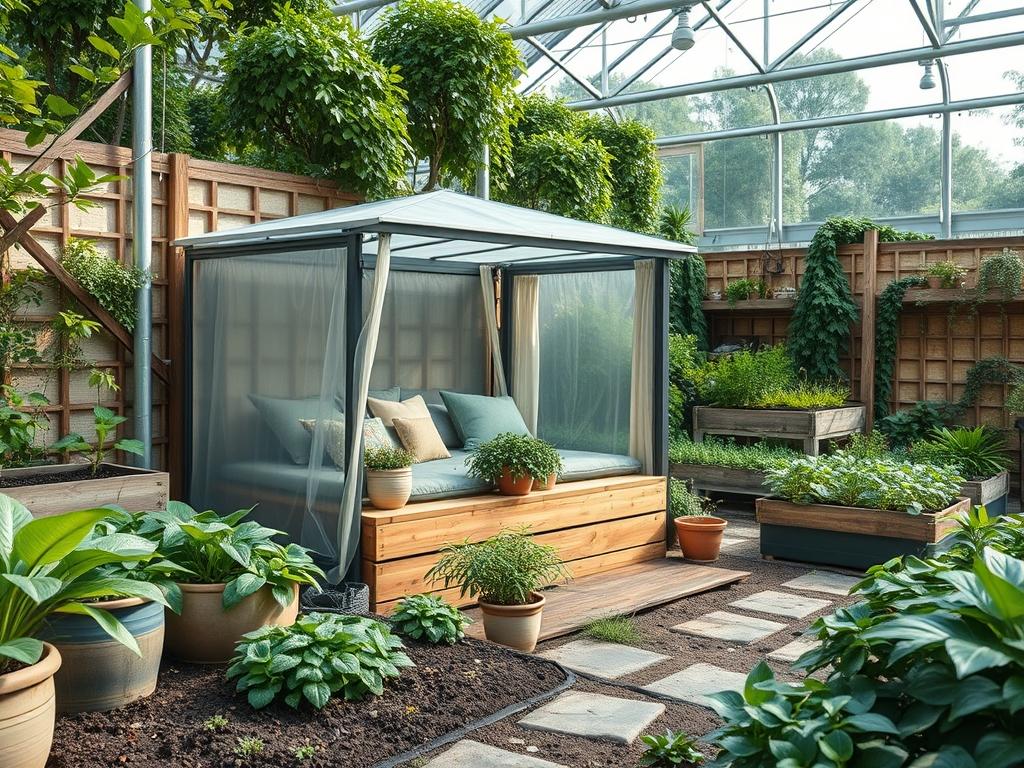
Integrating a secluded daybed into an architectural landscape requires more than simply placing furniture on a patio; it demands a rigorous analysis of spatial flow, environmental conditions, and private sanctuary psychology. As a landscape architect, I view the backyard daybed enclosure as a functional outdoor room that must balance the competing needs of openness and intimacy. The primary challenge often involves creating a sense of total seclusion without making the area feel claustrophobic or disconnected from the broader garden narrative. When we design these spaces, we must consider the sun path throughout the day, the prevailing wind direction, and how the structure impacts the overall curb appeal of the property. A well-placed enclosure serves as a destination point that draws the eye, providing a sophisticated focal point while offering a high-performance retreat for the homeowner.
Designing these enclosures also necessitates a deep understanding of local micro-climates. A daybed located in a low-lying area of the yard may suffer from moisture accumulation and pest issues, while one placed on a high, exposed ridge might be rendered unusable by excessive wind or intense solar radiation. We mitigate these factors through strategic grading, the installation of Subsurface Drainage Systems, and the careful placement of vertical elements like Retaining Walls or dense vegetative buffers. By treating the daybed enclosure as a primary component of the site plan, rather than an afterthought, we ensure that it enhances both the utility and the market value of the estate.
Landscape Design Principles
Successful backyard daybed enclosures rely on the core principle of vertical layering. This technique involves using different heights of plant material and hardscape elements to create a sense of enclosure while maintaining air circulation. We typically start with a foundational layer of Crushed Limestone or Flagstone to provide a stable, level base. From there, we introduce symmetry through the use of Architectural Planters or twin Stone Columns that frame the entrance to the daybed area. This creates a formal threshold that signals a transition from the active lawn or pool area to a zone of passive relaxation.
Elevation plays a critical role in defining the boundary of an enclosure. By elevating the daybed decking by 6 inches to 12 inches above the surrounding grade, we define the space as a distinct architectural platform. This slight vertical shift improves the physical perspective of the occupant and helps with natural drainage. Additionally, focal points should be integrated within the occupant’s line of sight. This might be a water feature located 10 feet away or a curated vista framed by Espaliered Fruit Trees. We also plan for irrigation at this stage, ensuring that Drip Irrigation Lines are hidden beneath the mulch or soil surface to provide consistent moisture to the surrounding privacy screen without saturating the daybed itself.
Plant and Material Selection
Selecting the right biological and structural components is essential for long-term success. The following table outlines high-performance selections for creating a private daybed environment.
| Plant Type | Sun Exposure | Soil Needs | Water Demand | Growth Speed | Maintenance Level |
| :— | :— | :— | :— | :— | :— |
| Thuja Occidentalis | Full Sun to Partial Shade | Well-Drained Loam | Moderate | Fast | Low |
| Miscanthus Sinensis | Full Sun | Adaptable/Sandy | Low to Moderate | Moderate | Seasonal Pruning |
| Buxus Sempervirens | Partial Shade to Sun | Rich, Well-Drained | Moderate | Slow | High (Shearing) |
| Trachelospermum Jasminoides | Full Sun to Shade | Fertile, Well-Drained | Moderate | Fast | Pruning and Training |
| Hydrangea Quercifolia | Partial Shade | Acidic, Moist | High | Moderate | Low |
| Taxus Media | Shade to Full Sun | Excellent Drainage | Low | Slow | Moderate |
Implementation Strategy
The construction of an enclosure begins with a precise site survey. We use a Transit Level to determine the exact slope of the ground, as any enclosure must sit on a surface that allows water to move away from the structure. Once the footprint is established, the first step is Grading. We remove the top 4 inches of turf and soil, then replace it with a compacted 2 inch layer of Course Sand followed by the chosen hardscape material. If we are installing a wooden platform, we use Pressure-Treated 4×4 Posts set in Concrete Footings that extend below the frost line to prevent shifting.
After the structural base is set, we address the vertical components. If using a Pergola or Lattice Panel, these should be anchored with Stainless Steel Hardware to resist corrosion. For the vegetative screen, we excavate a trench at least 12 inches wider than the root balls of the privacy plants. We incorporate Organic Compost into the backfill to encourage rapid root establishment. Edging is then installed using Steel Edging or Paver Restraints to create a crisp boundary between the enclosure and the adjacent turf. Finally, a 3 inch layer of Double-Shredded Bark Mulch is applied across the planting beds to regulate soil temperature and suppress weeds.
Common Landscaping Failures
The most frequent error in designing backyard daybed enclosures is improper drainage planning. When an enclosure is built without considering the flow of surface water, the area becomes a basin for runoff. This leads to Soil Compaction, root rot in the surrounding privacy screen, and the eventual degradation of the daybed frame. We prevent this by ensuring a minimum 2 percent slope away from the center of the enclosure and, if necessary, installing a 4 inch Perforated Drain Pipe wrapped in Filter Fabric to divert excess water.
Root overcrowding is another significant issue. Many homeowners plant screening species too close to the structural foundation of the daybed. As plants like Thuja or Clumping Bamboo mature, their root systems can heave pavers or rot wooden supports. Proper spacing is mandatory. A plant with a 5 foot mature spread should be planted at least 30 inches away from any hardscape edge. Furthermore, ignoring the mature height of plants can lead to a loss of the “enclosure” feel if the plants grow too tall and leggy, leaving the bottom 3 feet of the daybed exposed to view. Strategic pruning and species selection help maintain the desired density at eye level.
Seasonal Maintenance
A professional-grade enclosure requires a specific maintenance schedule to preserve its aesthetic and structural integrity. In the Spring, the focus is on soil health and structural inspection. Use a Garden Rake to remove debris from the drainage grates and replenish the mulch layer. This is also the time to apply a Slow-Release Fertilizer to the screening plants to support new growth. Inspect all wooden components for signs of winter damage and tighten any loose fasteners with a Socket Wrench or Impact Driver.
During the Summer, irrigation management becomes the priority. Check Drip Emitters to ensure they are not clogged with mineral deposits. As temperatures rise, monitoring for pests like spider mites on the Evergreen Privacy Screen is essential. In the Autumn, the strategy shifts to preparation for dormancy. Prune any deciduous plants and clear fallen leaves from the top of the daybed canopy or pergola to prevent mold. Finally, in Winter, protect sensitive hardscapes from frost heave by ensuring no standing water remains on the surface. If using a fabric enclosure, remove the textiles and store them in a dry environment to prevent fabric degradation and mildew growth.
Professional Landscaping FAQ
How do I choose the best location for my daybed enclosure?
Analyze the sun path using a Sun Map app. Seek a location that offers afternoon shade and protection from prevailing winds. Ensure the site is at a higher elevation than the rest of the yard to prevent drainage issues from heavy rainfall.
What is the best material for a low-maintenance daybed base?
Thermally Modified Wood or Composite Decking offers the best longevity with minimal upkeep. For stone, Porcelain Pavers are excellent because they resist staining, have a high slip-resistance rating, and do not require the frequent sealing that natural stone often demands.
How can I ensure privacy without building a tall fence?
Utilize Layered Planting techniques. Combine a 6 foot Wood Trellis with fast-growing climbers like Star Jasmine. This creates a soft, green wall that feels more natural than a fence while providing equivalent visual density and much better acoustic buffering.
What is the ideal thickness for mulch around an enclosure?
Maintain a consistent 3 inch depth. This thickness is sufficient to suppress weed growth and retain soil moisture for your privacy plants without becoming a breeding ground for fungi. Avoid “mulch volcanoes” by keeping the material away from plant stems.
Do I need a permit for a backyard daybed enclosure?
Requirements vary by municipality. Generally, a freestanding structure under 120 square feet without permanent electrical or plumbing does not require a permit. However, always check local zoning laws regarding permanent Pergolas or structures that exceed 8 feet in height.