
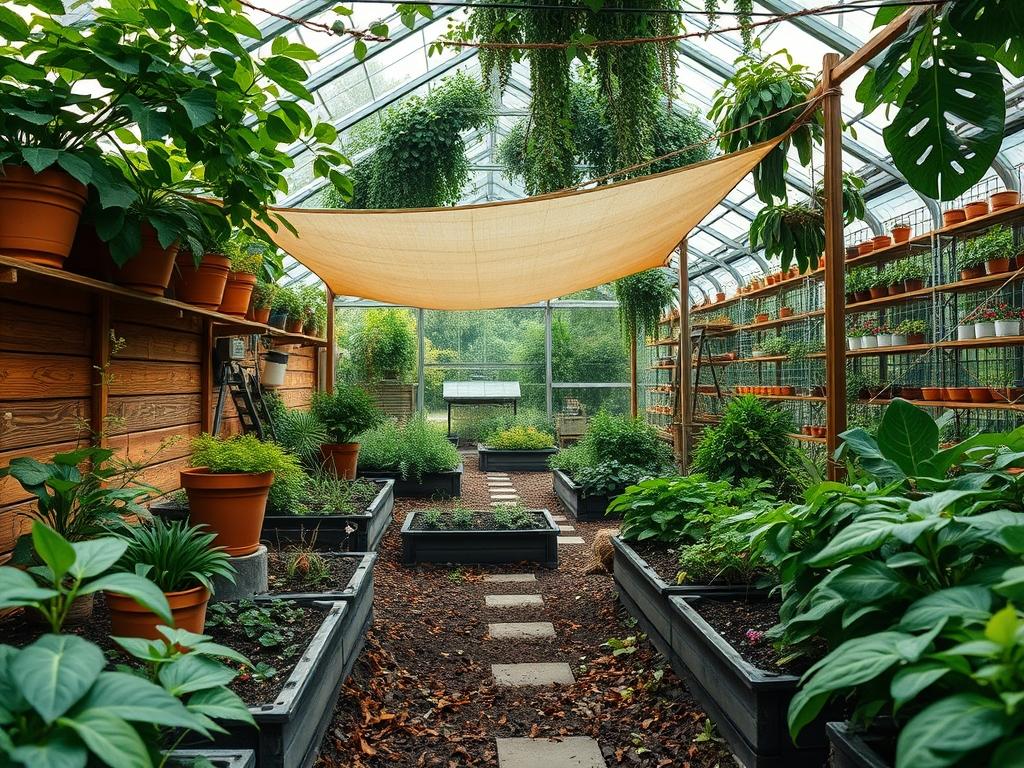
Creating a functional outdoor oasis requires a delicate balance between structural elements and natural growth. High performance shade sails serve as contemporary architectural features that provide necessary relief from intense UV rays; however, their effectiveness relies entirely on structural integrity. Achieving the perfect backyard shade sail tension is the difference between an elegant canopy and a sagging, flapping nuisance. This process involves precise engineering, understanding wind loads, and integrating the fabric into the broader landscape aesthetic to enhance both utility and value. From a lifestyle perspective, a well-tensioned sail transforms a scorching patio into a usable dining room, effectively extending the square footage of the home into the garden. As landscape architects, we view these structures as the ceiling of the outdoor room, necessitating the same attention to detail as one would give to a permanent roof or pergola.
When planning a shade installation, environmental factors must dictate the design. Wind patterns, the trajectory of the sun during peak hours, and existing site topography all influence where posts are placed and how much tension the fabric will require. A loose sail is a liability; it catches wind like a sail on a ship, putting immense pressure on mounting points and potentially damaging the siding of a home or the structural integrity of timber posts. Proper tensioning ensures that the fabric remains taut, allowing wind to flow over and under the surface smoothly while encouraging rainwater to shed rather than pool in the center.
Landscape Design Principles
Integrating a shade sail into a larger landscape requires adherence to core design principles such as symmetry, focal points, and elevation layers. A shade sail should never appear as an afterthought. Instead, it should align with the geometric lines of the home or the curvature of the garden beds. Using varying heights for the attachment points creates a hyperbolic paraboloid shape, commonly known as a hypar or twist. This three dimensional form is not only visually striking but is functionally superior. By placing two diagonal corners higher and two lower, you create a natural slope that prevents water accumulation and increases the structural stability of the fabric.
Elevation layers play a crucial role in preventing the landscape from feeling flat. By suspending the sail at a height that clears the viewing plane of significant windows, you maintain visual permeability while defining the space below. This structural “ceiling” should be balanced by “floor” elements such as premium pavers or hardwood decking. Walkways should be planned to lead visitors naturally toward the shaded area, using edging and different mulch textures to define the transition from sun to shade. Irrigation planning must also account for the sail; while the fabric provides shade for humans, it may create “dry shadows” for plants directly underneath, requiring dedicated drip lines or adjusted sprinkler heads to ensure the softscaping remains lush.
Plant and Material Selection
The following table outlines plants and materials that complement a shaded environment and withstand the microclimate created by a tensioned structure.
| Plant Type | Sun Exposure | Soil Needs | Water Demand | Growth Speed | Maintenance Level |
| :— | :— | :— | :— | :— | :— |
| Blue Fescue | Full Sun | Well Drained | Low | Moderate | Low |
| Star Jasmine | Partial Shade | Loamy | Medium | Fast | Moderate |
| Mexican Feather Grass | Full Sun | Sandy | Low | Fast | Low |
| Boxwood Shrub | Partial Sun | Moist/Rich | Medium | Slow | High |
| Japanese Maples | Dappled Shade | Slightly Acidic | Medium | Slow | Moderate |
| Foxtail Fern | Partial Shade | Sandy/Loam | Medium | Moderate | Low |
For hardware materials, we exclusively recommend 316-grade stainless steel. This includes turnbuckles, D-shackles, and pad eyes. Unlike galvanized steel, 316-grade stainless steel resists corrosion in high humidity or coastal environments, ensuring that the backyard shade sail tension remains consistent over several seasons without hardware failure.
Implementation Strategy
The successful implementation of a shade sail starts long before the fabric is clipped into place. It begins with the footings. For a standard 12 foot sail, a steel or timber post should be buried at least 3 to 4 feet deep, with a diameter of roughly 12 inches for the concrete pier. The posts must be angled 5 to 10 degrees away from the center of the sail to counteract the inward pull once the tension is applied. Once the concrete has cured for at least 72 hours, the hardware can be installed.
To achieve optimal backyard shade sail tension, the sail should be laid out on a clean surface such as a tarp or lawn. Connect the corners using heavy-duty turnbuckles and perimeter wires. The goal is to tighten the turnbuckles incrementally. Start at one corner, tighten until the slack is gone, then move to the opposite diagonal corner. Repeat this process until the fabric is taut and free of wrinkles. A professionally tensioned sail will have no movement in the center and will emit a dull, drum-like sound when tapped.
Grading and drainage must be addressed beneath the sail. If the area is to be a patio, ensure a 2 percent slope away from the home foundation. If using organic materials like mulch, maintain a depth of 3 inches to suppress weeds and retain moisture for perimeter plantings. The transition between the structural posts and the garden should be softened with native plants or ornamental grasses to hide the industrial nature of the footings and integrate the structure seamlessly into the natural environment.
Common Landscaping Failures
The most frequent failure in shade sail installation is insufficient tension. When a sail is loose, it generates “snap loads” during wind gusts, which can pull fasteners out of walls or snap wooden posts. Another common error is failing to account for drainage. If a sail is installed perfectly flat, even the most permeable fabric will eventually sag under the weight of trapped water, creating a “puddle effect” that stretches the fibers permanently. A minimum slope of 20 degrees is required to facilitate proper runoff.
Post failure is another critical issue. Many DIY installations use undersized 4×4 lumber which bows under the constant pressure of a tensioned sail. Professional standards dictate at least a 6×6 pressure treated timber post or a 4 inch schedule 40 steel pipe. In terms of softscaping, avoid planting species that drop significant sap or heavy seeds directly over or adjacent to the sail. The debris can accumulate in the weave of the fabric, leading to mold growth and staining that is difficult to remove without high-pressure washing, which can damage the UV coating of the material.
Seasonal Maintenance
Landscape management is a year-round commitment. In the spring, inspect all stainless steel turnbuckles and hardware for signs of wear. Check the backyard shade sail tension and tighten any components that may have loosened during the winter months. This is also the time to apply a fresh layer of mulch to the surrounding garden beds and prune any native plants that may be encroaching on the sail’s perimeter.
During the summer, the primary concern is UV degradation and debris. Use a long-handled soft brush to remove leaves or bird droppings, as these can become baked into the fabric in high heat. In autumn, as deciduous trees shed their leaves, frequent cleaning is necessary to prevent organic matter from rotting on the canopy. If you live in a climate prone to snow, the sail must be taken down for the winter. The weight of snow accumulation far exceeds the load-bearing capacity of most shade fabrics and hardware. Store the sail in a dry, rodent-proof container after cleaning it with mild soap and water to ensure it is ready for the following spring.
Professional Landscaping FAQ
How tight should my backyard shade sail be?
A properly tensioned sail should be tight enough to eliminate all wrinkles and sags. When you tap the center of the fabric, it should feel firm and resilient, similar to a drum head. This prevents wind flapping and water pooling.
Can I attach a shade sail directly to my house?
Yes, but you must attach it to structural members like wall studs or rafters. Avoid attaching hardware only to fascia boards or siding, as the high tension loads can easily pull these cosmetic elements away from the building frame.
What is the best way to clean shade sail fabric?
Use a garden hose and a soft-bristled brush with mild dish soap. Avoid using harsh chemicals, bleach, or high pressure washers, as these can strip the UV protective coating and weaken the synthetic fibers of the fabric over time.
How do I prevent my shade sail from sagging when it rains?
Install the sail with a minimum 20 degree slope between the high and low attachment points. This creates a natural gravity path for water to shed off the edge. Proper backyard shade sail tension also prevents the fabric from stretching.
Why are my support posts leaning inward?
Leaning usually indicates that the footings are too shallow or the posts are undersized. Posts should be buried at least 3 feet deep in concrete and angled slightly away from the sail to counteract the constant inward tension of the fabric.