
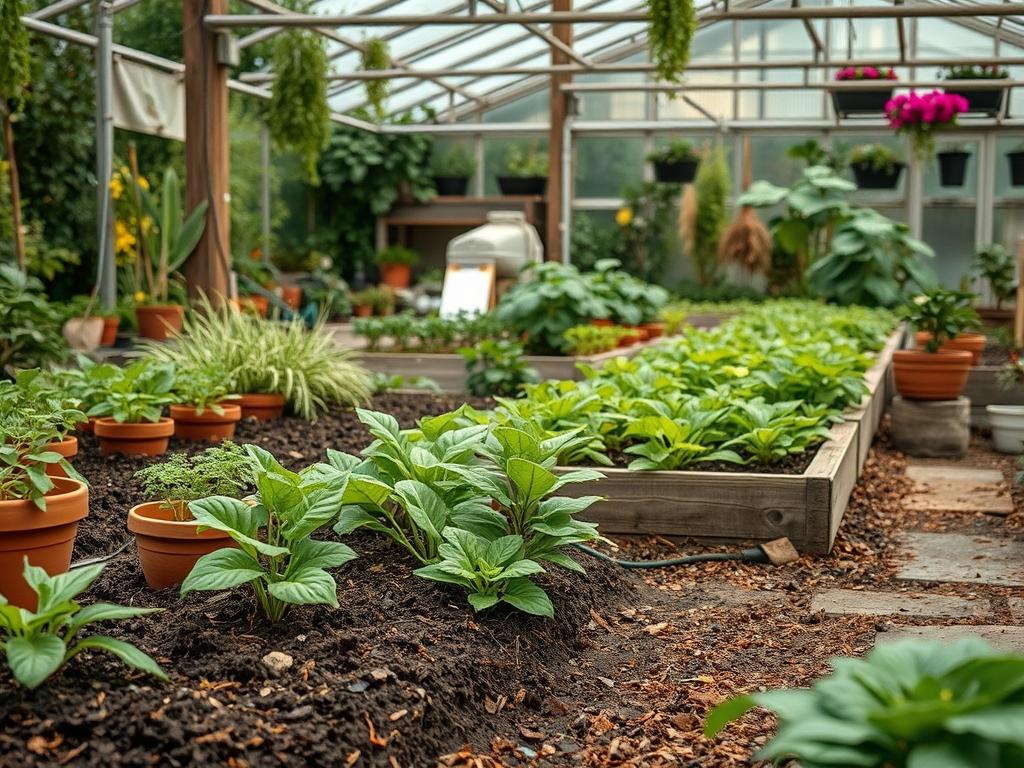
A sophisticated outdoor environment begins with a rigorous assessment of the site’s ecological constraints and architectural context. Whether you are managing a small urban courtyard or a multi-acre estate, the primary challenge involves balancing aesthetic desire with the practical realities of local climate and topography. High-level curb appeal is not merely a product of expensive plantings; it results from a strategic orchestration of hardscaping, drainage systems, and horticultural care. To keep these spaces functional, professional grade equipment is required. Central to this effort is the Backyard Leaf Blower, a tool that handles everything from clearing heavy autumn debris to preparing Pavers for a new application of Polymeric Sand. When the equipment is neglected, the landscape inevitably follows suit, leading to clogged drainage grates and organic buildup that can suffocate sensitive turfgrass.
Landscape Design Principles
Professional landscape architecture relies on the mastery of spatial organization. Symmetry serves as a foundational pillar, often utilized at property entrances to create a sense of formality and order. By mirroring Columnar English Oaks or identical Concrete Planters on either side of a driveway, you establish a clear visual hierarchy. However, rigid symmetry often gives way to asymmetrical balance in more relaxed areas of the garden, where the weight of a large Stone Retaining Wall might be offset by a dense cluster of Ornamental Grasses. Focal points are equally vital; they act as visual anchors that draw the eye through the environment. A well-placed Basalt Column Fountain or a specimen tree like a Japanese Maple provides a destination for the viewer, ensuring the eye does not wander aimlessly across the lawn.
Elevation layers add depth and complexity to an otherwise flat site. Utilizing Retaining Walls to create tiers allows for better soil management and creates distinct “rooms” within the outdoor living space. These layers must be planned in conjunction with irrigation systems. A professional irrigation plan accounts for hydrozones, grouping plants with similar water requirements to prevent the overwatering of drought-tolerant species. Walkways should be designed with a slight cross-slope, typically a 2 percent grade, to ensure water does not pool in the center of the path. This attention to detail in the design phase reduces long-term maintenance burdens and protects the structural integrity of your hardscaping materials.
Plant and Material Selection
The following table summarizes high-performance plant selections frequently used by landscape architects to ensure year-round interest and manageable maintenance cycles.
| Plant Type | Sun Exposure | Soil Needs | Water Demand | Growth Speed | Maintenance Level |
| :— | :— | :— | :— | :— | :— |
| Boxwood (Buxus) | Full to Partial | Well-drained loamy | Medium | Slow | Moderate |
| Switchgrass | Full Sun | Adaptable/Sandy | Low | Fast | Low |
| Hydrangea | Partial Shade | Rich, moist | High | Medium | Moderate |
| Lavender | Full Sun | Gritty, alkaline | Low | Medium | Low |
| Emerald Green Arborvitae | Full Sun | Moist, well-drained | Medium | Moderate | Low |
| Coreopsis | Full Sun | Poor to average | Low | Fast | Low |
Selecting the right materials extends beyond biology. Incorporating Crushed Granite, River Rock, or Hardwood Mulch provides essential ground cover that suppresses weeds and retains soil moisture. In areas with high foot traffic, Flagstone or Permeable Pavers are preferred for their durability and ability to handle stormwater runoff effectively.
Implementation Strategy
The transition from a design concept to a finished landscape requires a phased implementation strategy. The process begins with grading, which is the most critical step for any backyard project. Proper grading ensures that the land slopes away from the home’s foundation at a minimum rate of 6 inches of drop for every 10 feet of distance. Once the sub-grade is established, subsurface drainage, such as a French Drain or NDS Catch Basin, should be installed to manage heavy rainfall. Edging is the next priority; it creates a clean physical barrier between turf and planting beds. I recommend using Heavy-Duty Aluminum Edging or Steel Edging rather than plastic, as metal resists the shifting of soil and the impact of string trimmers over time.
When the structural elements are in place, the application of Mulch becomes the final protective layer. A depth of 2 to 3 inches is standard for most garden beds. This layer should never touch the trunk of a tree; a practice known as “volcano mulching” can lead to bark decay and fungal infections. Once the plants are in the ground, the focus shifts to the maintenance of the tools that will keep the site clean. A Backyard Leaf Blower is the primary weapon against the accumulation of organic matter. Effective care for this tool involves a monthly inspection of the Air Filter and the replacement of the Spark Plug every season. If you use a gas-powered model, always use a Fuel Stabilizer to prevent the carburetor from gumming up during periods of inactivity. This mechanical diligence ensures that when the leaves begin to fall, your equipment is ready to perform without delay.
Common Landscaping Failures
The most frequent failure in residential landscapes is poor drainage. When water sits stagnant against a Retaining Wall or in a low spot on the lawn, it leads to soil compaction and root rot. Many homeowners fail to account for the “internal drainage” of their soil, neglecting to perform a percolation test before planting expensive specimens. Root overcrowding is another common error. In an attempt to achieve an “instant” mature look, plants are often spaced too closely together. As these plants grow, they compete for nutrients and light, leading to stunted growth and increased susceptibility to pests.
Irrigation inefficiency also ranks high among landscaping mistakes. Overhead spray heads often lose a significant percentage of water to evaporation and wind drift. Transitioning to Drip Irrigation for flower beds and shrubs delivers water directly to the root zone, reducing waste and preventing foliar diseases caused by wet leaves. Finally, the failure to address soil health is a silent killer. Over-reliance on synthetic fertilizers without monitoring Soil pH or organic matter levels can lead to a sterile environment where beneficial microbes cannot survive. A regular application of Compost Tea or high-quality organic matter is essential for maintaining the biological vitality of the site.
Seasonal Maintenance
Landscape management is a year-round commitment that changes with the cycles of the sun. In the spring, the focus is on “waking up” the garden. This involves removing winter debris, pruning deadwood from Deciduous Trees, and applying a pre-emergent herbicide to prevent crabgrass. It is also the best time for a Backyard Leaf Blower tune-up. Clean the Cooling Fins and the Muffler Screen to ensure the engine doesn’t overheat during the coming summer months. As the heat rises in summer, maintenance shifts to water management and “deadheading” spent blooms to encourage a second flush of flowers. Raising the mower deck to a height of 3.5 inches helps the grass shade its own roots and survive drought conditions.
Autumn is the most labor-intensive period for any landscape professional. As trees shed their leaves, the risk of fungal growth on the lawn increases. Using a Backyard Leaf Blower to move debris into manageable piles or into a Mulching Mower path is the most efficient way to handle the volume. Ensure the blower’s Impeller is free of cracks and the Starter Cord is not frayed. Finally, winter maintenance involves protecting sensitive plants from frost and desiccating winds. Wrapping younger trees in Burlap and applying a thick layer of Wood Chips will insulate the root systems. Drain all irrigation lines and blow them out with compressed air to prevent pipes from bursting in freezing temperatures.
Professional Landscaping FAQ
How often should I change the oil in my leaf blower?
For 4-cycle engines, change the oil every 25 to 50 hours of operation. Check the levels before every use to prevent engine seizure. Clean oil ensures internal components remain lubricated under the high heat generated by sustained high-RPM operation.
What is the best way to prevent weeds in mulch?
Apply a 2-inch layer of high-quality Hardwood Mulch over a pre-emergent barrier. Avoid using landscape fabric in permanent planting beds, as it eventually clogs with silt and prevents oxygen and water from reaching the soil and the plant roots.
How do I fix a lawn that has standing water?
Install a French Drain or a dry creek bed to redirect the water. Ensure the area is graded at a 2 percent minimum slope toward a legal discharge point or a Rain Garden designed to absorb the excess runoff naturally.
When is the best time to prune my shrubs?
Most flowering shrubs should be pruned immediately after their bloom cycle ends. For Deciduous Trees, late winter or early spring is ideal because the tree is dormant and the branch structure is visible, allowing for precise cuts without causing stress.
How can I increase the power of my leaf blower?
Ensure the Air Filter is pristine and the Exhaust Port is not blocked by carbon deposits. Using high-octane fuel and a clean Spark Plug will maximize combustion efficiency, providing the highest possible CFM and air velocity for heavy tasks.