
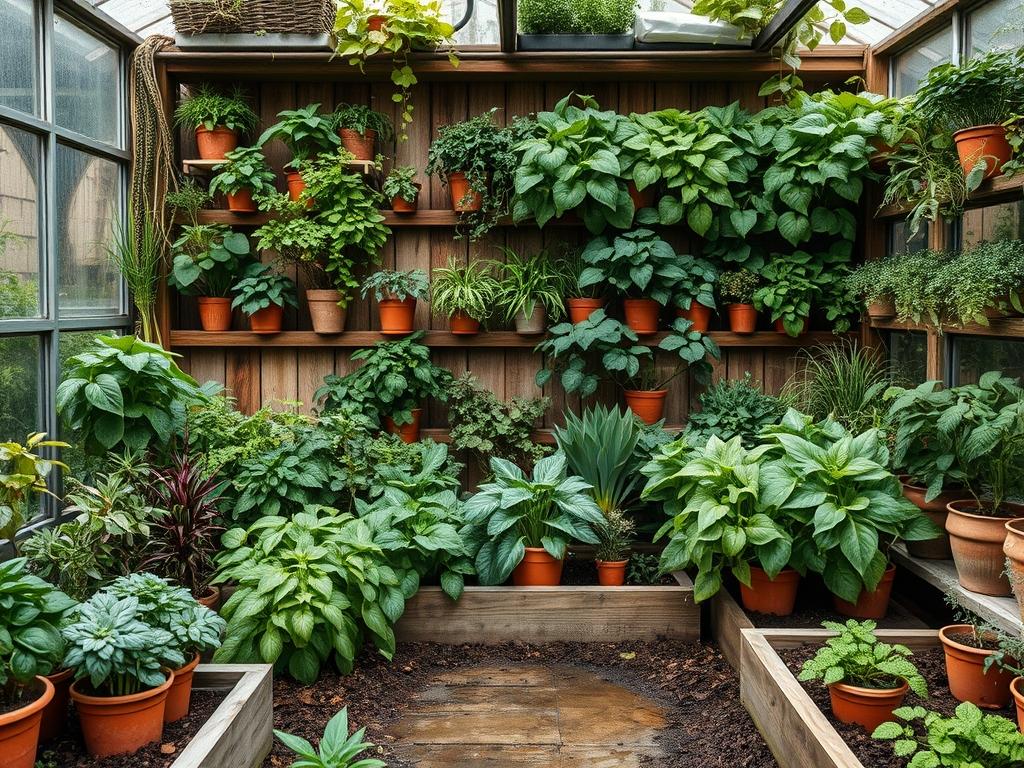
Transforming a standard residential landscape into a high performance culinary hub requires a shift from horizontal thinking to vertical execution. Most homeowners struggle with limited square footage, where competing interests like seating areas, walkways, and lawns often leave little room for traditional vegetable rows. Verticality solves this spatial conflict while providing a sophisticated aesthetic that enhances curb appeal and property value. When planning Backyard Herb Wall Layouts, a landscape architect looks beyond simple aesthetics to evaluate the site microclimate, particularly how a vertical structure alters airflow and light exposure. A well designed herb wall functions as more than a garden; it serves as a living tapestry that provides privacy, buffers noise, and improves the thermal regulation of adjacent structures. The challenge lies in balancing the biological needs of diverse plant species with the mechanical requirements of a vertical support system, ensuring the installation remains a permanent asset rather than a fleeting seasonal project.
Landscape Design Principles
Integrating a herb wall into a cohesive backyard design requires a firm grasp of symmetry and focal points. A wall should not look like an afterthought bolted onto a fence. Instead, it should be anchored by hardscape elements such as Stone Retaining Walls or Cedar Frames that echo the existing architecture of the home. Using a central focal point, perhaps a larger Bay Laurel or a decorative water feature, creates a sense of order. Elevation layers are equally critical. By staggering the heights of different herb containers, you create visual depth and allow for easier access during harvest. This layering also mimics natural ecosystems, where taller plants provide intermittent shade to more delicate varieties below.
Walkways should be planned to provide a 36 yard radius of clear access around the wall for maintenance and harvesting. These paths should be constructed from stable materials like Crushed Granite or Flagstone to prevent soil compaction near the base of the wall structure. Irrigation planning must be addressed at the foundational stage. Gravity-fed systems are traditional, but a professional layout often utilizes a Pressure Regulated Drip Irrigation system divided into zones. This allows the architect to account for the fact that the top rows of a vertical garden dry out significantly faster than the bottom rows. Visual balance is achieved by grouping plants with similar leaf textures and colors. For example, the silvery foliage of Lavender provides a stunning contrast against the deep greens of Italian Parsley, creating a rhythm that guides the eye across the entire installation.
Plant and Material Selection
| Plant Type | Sun Exposure | Soil Needs | Water Demand | Growth Speed | Maintenance Level |
| :— | :— | :— | :— | :— | :— |
| Rosemary | Full Sun | Well-Drained/Sandy | Low | Moderate | Low |
| Sweet Basil | Full Sun | Rich/Loamy | High | Fast | Moderate |
| Common Thyme | Full Sun | Gritty/Sandy | Low | Moderate | Low |
| Garden Sage | Full Sun | Average/Sandy | Low | Moderate | Low |
| Peppermint | Part Shade | Fertile/Moist | High | Very Fast | High |
| Chives | Full Sun/Part Shade | Loamy | Moderate | Fast | Low |
| Coriander | Full Sun | Light/Loamy | Moderate | Fast | Moderate |
| Winter Savory | Full Sun | Well-Drained | Low | Moderate | Low |
Implementation Strategy
The first step in any vertical landscape project is professional Grading. The area at the foot of the herb wall must be sloped away from the house foundation at a rate of at least 2 percent to ensure proper drainage. Once the ground is prepared, the framework or Hardscaping is installed. If you are using a wooden frame, specify Pressure Treated Timber or naturally rot-resistant Western Red Cedar. For a more modern aesthetic, Powder Coated Steel grids or Modular Polymer Pockets are excellent choices. Each mounting point must be secured into structural studs or masonry to support the significant weight of wet soil and mature plant biomass.
After the structure is secure, prioritize drainage. Each planter or pocket should include a layer of Coarse Gravel or Perlite at the bottom to prevent water from pooling around the roots. For the growing medium, avoid standard topsoil, which is too heavy and prone to compaction in vertical systems. Instead, use a high quality Soilless Potting Mix amended with Coconut Coir and Compost. When planting, leave a 2 inch space between the soil surface and the rim of the container to allow for Mulch application. A thin layer of Finely Shredded Bark or Pea Gravel helps retain moisture and prevents soil from splashing onto the leaves, which reduces the risk of fungal diseases. Finally, install a Geotextile Fabric liner if you are using wooden troughs to extend the life of the wood and maintain soil integrity.
Common Landscaping Failures
The most frequent failure in vertical herb gardening is poor drainage management. Because water naturally trickles down, the bottom containers often become waterlogged while the top containers suffer from drought stress. Without a zoned irrigation approach, the entire system can fail within a single heatwave. Another common mistake is root overcrowding. Herbs like Oregano and Mint are aggressive spreaders and can quickly choke out slower growing companions like Sage. Using individual pots or physical root barriers within the wall is essential to maintain a healthy balance.
Soil compaction is another silent killer. Over time, the vertical weight of the soil strips the air pockets necessary for root respiration. To combat this, professionals incorporate Organic Matter and Vermiculite to maintain a light, airy structure. Furthermore, improper spacing often results in poor airflow. When plants are packed too tightly for an immediate “full” look, they become susceptible to powdery mildew and aphid infestations. A minimum of 8 inches of space between most herb centers is recommended to allow for crown expansion and air circulation.
Seasonal Maintenance
Seasonal management ensures the longevity of your Backyard Herb Wall Layouts. In the Spring, focus on rejuvenation. This is the time to prune back woody herbs like Rosemary and Lavender by about one third to encourage new, tender growth. Inspect the irrigation lines for clogs and replace any emitters that are not performing. Apply a balanced, slow release Organic Fertilizer to replenish nutrients leached out by winter rains.
As Summer arrives, the primary goal is moisture management. High temperatures increase the rate of evapotranspiration, meaning your wall may need watering twice daily. Monitor for pests and harvest frequently to prevent plants from going to seed, which often turns the foliage bitter. In Autumn, begin preparing for the dormant phase. Harvest the remaining annuals like Basil and Coriander, and replace them with cool season greens or simply leave the pockets empty to allow the soil to rest. For perennial herbs, add a fresh 1 inch layer of mulch to insulate the root balls. During the Winter, protection from desiccating winds is vital. If your herb wall is in a high-exposure area, consider wrapping it with Burlap or moving portable components to a more sheltered location. Reducing water frequency is necessary during this time, but the soil should never be allowed to dry out completely.
Professional Landscaping FAQ
How do I choose the best location for my herb wall?
Select a south-facing location that receives at least 6 hours of direct sunlight. Ensure the site is protected from high winds and is located near a water source to simplify the installation of your Drip Irrigation system.
Which materials offer the longest lifespan for vertical structures?
Powder Coated Aluminum and Western Red Cedar are the gold standards for longevity. These materials resist rot, rust, and UV degradation, ensuring your wall remains structurally sound for over a decade in most climates.
Can I grow herbs vertically in full shade?
Most culinary herbs require significant light, but you can succeed in partial shade with Mint, Chives, and Lemon Balm. Use reflective white backings on your wall to bounce available light onto the foliage to improve growth rates.
What is the best way to prevent soil from leaking out?
Line your planters with High Density Polyethylene or Geotextile Fabric. This allows water to pass through while keeping the Potting Mix contained, preventing unsightly stains on your hardscape and keeping the root zone intact.
How often should I replace the soil in a herb wall?
In a vertical system, nutrients are depleted rapidly. Refresh the top 3 inches of soil annually with fresh Compost. A complete soil replacement is generally recommended every 3 years to prevent the buildup of salts and pathogens.