
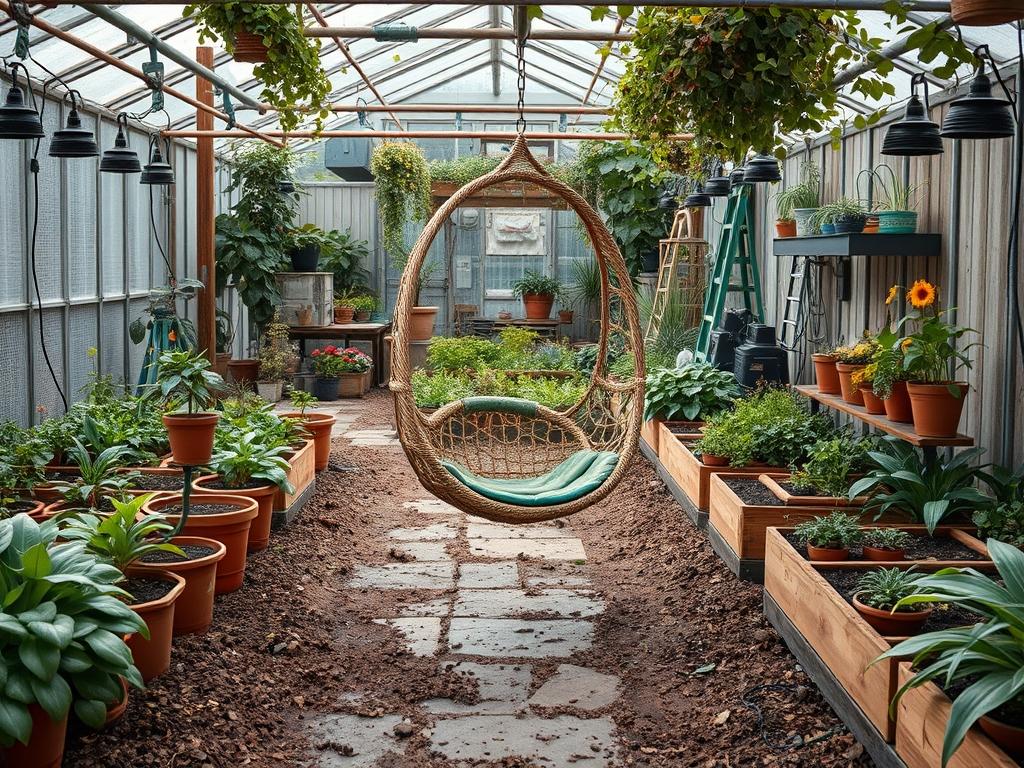
Creating a seamless transition between architectural structures and the natural environment requires a meticulous approach to site selection, particularly when integrating specialized furniture like suspended seating. When we discuss Backyard Hanging Chair Safety, we are not merely talking about the strength of a rope or a metal stand. We are addressing a complex intersection of soil stability, load-bearing capacity, and spatial dynamics. A hanging chair functions as a primary focal point in a modern landscape design, yet its presence introduces specific engineering challenges. If the ground beneath the chair is uneven or the overhead structure is compromised by environmental decay, the aesthetic value of the installation is overshadowed by physical risk. A professional landscape plan must account for the weight of the occupant, the centrifugal force of motion, and the long-term impact of weather on the supporting materials.
Thoughtful landscape architecture considers the microclimate of the backyard. High wind zones require specific anchoring strategies to ensure that a swinging seat does not become a projectile during a storm. Furthermore, the selection of surrounding flora must be intentional; plants with aggressive root systems can shift the pavers beneath a chair stand, while moisture-loving shrubs can increase the humidity around metal frames, accelerating corrosion. By treating the installation as a permanent structural element rather than a temporary accessory, homeowners can achieve a balance between leisure and security. This involves evaluating the elevation of the site to prevent water pooling at the base of the chair, which is a major contributor to structural failure and site erosion.
Landscape Design Principles
Integrating a hanging chair into a professional landscape requires adherence to the principles of symmetry and visual balance. A chair placed haphazardly in the center of a lawn often looks disconnected and increases the likelihood of tripping hazards. Instead, we use the chair as a functional anchor within a specific outdoor room. Creating a dedicated “zone” for the chair through the use of elevation layers and focal points allows for a more cohesive design. For instance, placing a chair on a raised wooden deck or a recessed stone patio provides a clear boundary. This spatial definition is crucial for Backyard Hanging Chair Safety because it dictates the “swing zone,” a clear radius where no obstacles or hard edges should exist.
Irrigation planning is an often overlooked aspect of this design. If a hanging chair is positioned within the direct spray path of an automatic sprinkler system, the constant cycle of wetting and drying will eventually degrade wood fibers or cause oxidation in metal components. A professional designer will adjust the irrigation heads to ensure all moisture is directed toward the root zones of surrounding plants, keeping the seating area dry and stable. Walkways should also be planned to lead directly to the seating area, preventing the compaction of turf or soil around the chair’s base. Soil compaction is a significant concern; as the earth becomes denser from foot traffic, its ability to drain water decreases, which can lead to shifting foundations for chair stands.
Plant and Material Selection
The following table outlines the best plant species to surround a hanging chair installation. These selections focus on low-maintenance options that do not interfere with the movement of the chair or attract excessive insects.
| Plant Type | Sun Exposure | Soil Needs | Water Demand | Growth Speed | Maintenance Level |
| :— | :— | :— | :— | :— | :— |
| Zoysia Grass | Full Sun | Well-Drained | Moderate | Slow | Low |
| Calamagrostis | Partial/Full | Loamy | High | Moderate | Low |
| Creeping Thyme | Full Sun | Gritty/Dry | Low | Fast | Minimal |
| Dwarf Boxwood | Partial Shade | Balanced | Moderate | Slow | High (Pruning) |
| Mexican Feather Grass | Full Sun | Sandy/Poor | Very Low | Fast | Minimal |
| Fescue Blend | Shade/Sun | All Types | Moderate | Moderate | Moderate |
When selecting materials for the ground surface, Crushed Granite or Pea Gravel are excellent choices for drainage. These materials allow water to pass through to the subsoil while providing a firm, level surface for a chair stand. If the design calls for a natural look, Kiln-Dried Cedar or Pressure-Treated Pine should be used for any overhead pergolas, as these materials offer the necessary tensile strength to support the weight of a person.
Implementation Strategy
The first step in any backyard project involving suspended furniture is grading. The area must have a slope of approximately two percent to move water away from the seating base. Once the grade is established, the site should be excavated to a depth of four inches for a proper hardscape foundation. Adding a layer of Geotextile Fabric prevents weeds from pushing through and helps distribute the weight of the chair more evenly across the soil.
If the chair is to be hung from a tree, an International Society of Arboriculture (ISA) certified arborist must evaluate the limb. We look for a branch diameter of at least eight inches for hardwood species like White Oak or Maple. Softwoods are generally avoided for heavy loads. For those using a standalone frame, the frame must be set on Leveling Pavers or a concrete pad. Never place a metal stand directly on raw soil or grass; the weight will cause the legs to sink unevenly over time, creating a tipping hazard. Finally, spreading a three-inch layer of Hardwood Mulch around the perimeter can soften the visual transition between the hardscape and the lawn while providing a cushioned landing zone.
Common Landscaping Failures
One of the most frequent mistakes in backyard design is improper spacing between the hanging chair and permanent structures. Designers often fail to account for the maximum swing radius, leading to chairs hitting walls, railings, or thorny bushes. A minimum clearance of five feet from any hard object is the industry standard for Backyard Hanging Chair Safety. Another common failure is the neglect of drainage around the anchor point. If water collects around a buried post or a metal base, the structural integrity of the material is compromised from the bottom up, often hidden from view until a collapse occurs.
Root overcrowding also presents a long-term risk. If a chair stand is placed too close to a young tree, the growing root flare will eventually lift the stand, causing it to become unstable. We also see many homeowners ignore soil compaction. In high-traffic areas, the earth becomes as hard as concrete, which prevents oxygen from reaching the roots of nearby turf and makes the ground less forgiving during a fall. Finally, using “interior-grade” hardware on an outdoor chair is a recipe for disaster. Only Galvanized Steel or Stainless Steel carabiners and chains should be used to prevent the rapid onset of rust in humid environments.
Seasonal Maintenance
Landscape management is a year-round commitment. In the spring, the focus should be on inspecting the hardware for any hairline cracks or signs of wear following the winter freeze. This is also the time to apply a fresh layer of Mulch and check the irrigation system for leaks. During the summer, the primary task is the management of surrounding vegetation. Pruning back any overhanging limbs ensures that the chair has a clear path of motion and that no sap or debris falls onto the fabric of the seat.
Autumn requires a thorough cleaning of the seating area. Fallen leaves should be removed promptly, as they trap moisture against the base of the chair and can lead to mold growth or wood rot. Before the first frost, it is advisable to remove any fabric cushions or ropes and store them in a dry, indoor location. In winter, if you live in a climate with snow and ice, the entire chair should be covered or moved to a shed. The expansion of freezing water inside metal tubes can cause them to burst or warp, which significantly compromises the primary goal of Backyard Hanging Chair Safety.
Professional Landscaping FAQ
How do I prevent my hanging chair from tipping on soft grass?
Install a series of Stepping Stones or a Concrete Slab beneath the stand’s feet. This distributes the weight across a larger surface area, preventing the legs from sinking into the subsoil during periods of high rainfall or heavy usage.
Can I hang a chair from any sturdy looking tree branch?
No. You must verify the tree species and health. Avoid softwoods like Pine or Willow. Ensure the branch is at least eight inches thick, free of rot, and horizontal enough to prevent the hardware from sliding during motion.
What is the best ground cover for a safe landing zone?
Engineered Wood Fiber or a thick layer of Double-Shredded Bark Mulch provides excellent impact absorption. These materials are also aesthetically pleasing and help with moisture retention for surrounding plants like Hostas or Ferns.
How often should I replace the hanging hardware?
Inspect all Steel Carabiners and Swivel Hooks every six months. If you notice any rust, thinning of the metal, or clicking sounds during use, replace the hardware immediately with load-rated stainless steel components designed for outdoor environments.
How do I stop my chair from hitting my patio wall?
Maintain a five-foot clearance from all walls and railings. If space is limited, use a Floor Anchor or a tether strap to limit the range of motion, ensuring the chair cannot swing far enough to make contact with hard surfaces.