
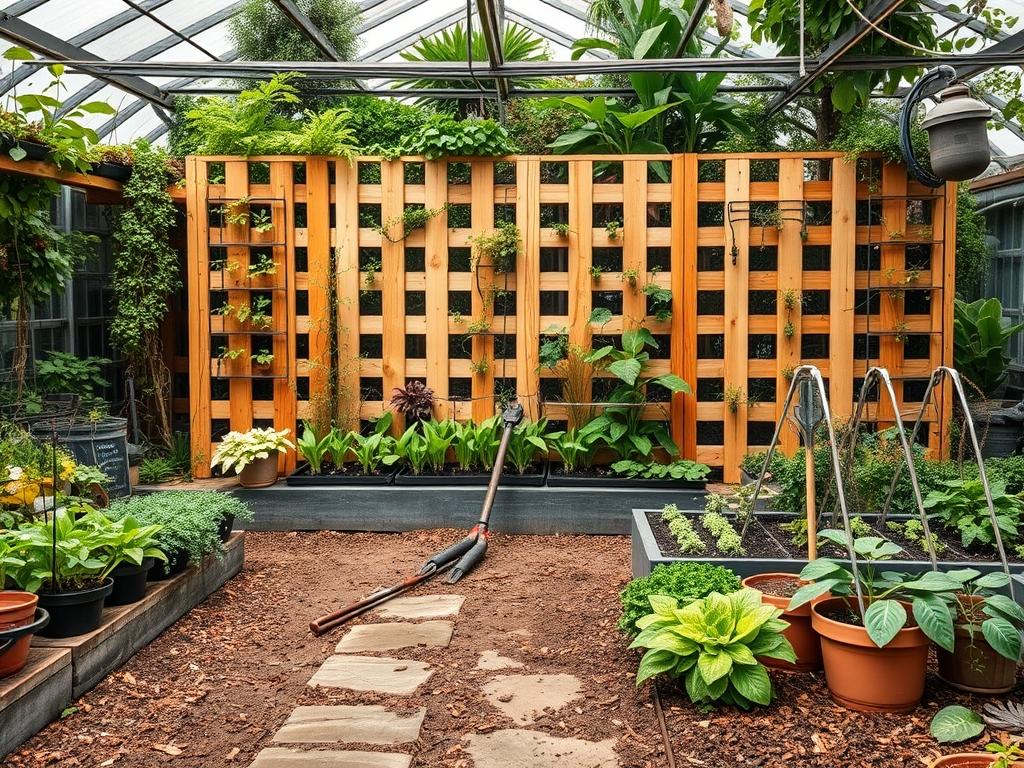
Developing a functional and aesthetically pleasing outdoor environment requires more than just a collection of plants and a patch of lawn. It demands a sophisticated understanding of spatial boundaries. Backyard divider wall options serve as the architectural bones of a garden, providing the necessary structure to define specific zones for dining, relaxation, or play. These vertical elements are not merely utilitarian barriers; they are opportunities to introduce texture, color, and depth into a landscape. When selecting a divider, a landscape architect must consider the prevailing climate, the existing architectural style of the primary residence, and the long-term maintenance requirements. A poorly chosen wall can feel suffocating or incongruous, while a well-executed design enhances the property’s value and creates a sense of sanctuary. Whether you are mitigating a steep elevation change or simply seeking privacy from a neighboring two-story home, the choice of materials and the method of installation will dictate the success of the transition.
Landscape Design Principles
Effective backyard division relies on several core principles of landscape architecture. Symmetry and balance are paramount; a wall that is too tall or too heavy on one side of a patio can make the space feel lopsided. Architects often use the “Rule of Three” when planning elevation layers, incorporating a ground-level bed, a mid-height divider wall, and a canopy layer such as Ornamental Trees or a pergola. This layering prevents the eye from hitting a flat, uninteresting surface and instead draws the gaze through a series of visual waypoints.
Visual balance also involves the interplay between hardscaping and softscaping. A stark Concrete Modular Wall should be softened with organic textures, perhaps by incorporating a Trellis System or strategically placed Native Grasses. Furthermore, focal points should be integrated directly into or adjacent to the wall. This might be a water feature built into a Stacked Stone Wall or a specialized lighting scheme that highlights the texture of the material at night. Irrigation planning must also be considered at the design phase. Running Drip Irrigation Lines through or behind the wall ensures that any integrated planters receive consistent moisture without unsightly hoses being visible to guests. Finally, the layout must account for movement. Walkways should intersect divider walls at logical points, using wide openings of at least 48 inches to maintain a comfortable flow of traffic.
Plant and Material Selection
The materials chosen for a divider wall must be compatible with the local soil acidity and moisture levels. For example, in high-moisture environments, certain softwoods may rot unless treated properly, whereas Corten Steel thrives as it develops a protective patina. Below is a selection of plant species and materials frequently used to complement or comprise backyard divider walls.
| Plant or Material Type | Sun Exposure | Soil Needs | Water Demand | Growth Speed | Maintenance Level |
| :— | :— | :— | :— | :— | :— |
| Emerald Green Arborvitae | Full Sun | Well-drained | Moderate | Medium | Low |
| Star Jasmine (on Trellis) | Full to Part Sun | Loamy/Rich | Moderate | Fast | Moderate |
| Corten Steel Panels | N/A | Stable Base | N/A | N/A | Low |
| Boxwood ‘Green Velvet’ | Full to Part Sun | Neutral pH | Moderate | Slow | High (Pruning) |
| Clumping Bamboo | Full Sun | Moist/Rich | High | Very Fast | Moderate |
| Gabion Baskets (Stone) | N/A | Compacted | N/A | N/A | Low |
| Japanese Forest Grass | Full Shade | Moist | Moderate | Slow | Low |
For mid-sized dividers, Horizontal Cedar Planking is a popular modern choice. It provides a warm, organic feel that contrasts beautifully with green foliage. When using wood, always specify Stainless Steel Fasteners to prevent black streaking over time. For a more industrial or contemporary look, Gabion Baskets filled with River Rock or Angular Basalt offer exceptional drainage and a unique textural profile.
Implementation Strategy
The successful installation of backyard divider wall options begins with a comprehensive site survey. Before any soil is moved, you must locate underground utilities and assess the grading of the terrain. If the wall is intended to hold back soil, it must be engineered as a Retaining Wall, which requires a more significant foundation than a simple decorative partitions.
The first step is excavation. For most masonry or stone walls, a trench must be dug below the frost line to prevent shifting. This trench should be filled with a 6-inch layer of compacted aggregate to provide a stable base. As the wall rises, integrated drainage is essential. Install a 4-inch perforated drain pipe behind the first course of the wall, wrapped in Geotextile Filter Fabric to prevent silt from clogging the system.
Once the structural core is complete, focus on the edging and transition zones. The area where the wall meets the lawn or garden bed should be defined by a clean edge, often created with a Steel Edging Strip or a row of Cobblestones. Apply a 3-inch layer of hardwood mulch to the surrounding beds to regulate soil temperature and retain moisture. If the divider includes lighting, ensure that Low-Voltage Conduit is buried at least 12 inches deep to avoid accidental damage during future planting.
Common Landscaping Failures
The most frequent failure in wall construction is the neglect of hydrostatic pressure. When rainwater becomes trapped behind a solid wall, the weight can cause the structure to lean, crack, or even collapse. This is why Weep Holes are vital in masonry designs. Another common error is root overcrowding. When planting near a divider, homeowners often ignore the mature width of the species. A Privet Hedge might look perfectly spaced at installation, but within five years, it can push against a wooden fence, causing the boards to warp.
Soil compaction is another silent killer of landscape designs. Heavy machinery used during the construction of a Natural Stone Wall can crush the soil structure, leaving it anaerobic and unable to support plant life. It is crucial to aerate the soil and incorporate organic matter once the heavy lifting is finished. Finally, many DIY installers fail to account for irrigation inefficiencies. Placing a wall in a way that blocks the spray pattern of an existing Rotary Sprinkler can lead to “shadow zones” where plants die of thirst while others are overwatered.
Seasonal Maintenance
To preserve the integrity and beauty of your backyard divider wall options, a seasonal management schedule is required. In the spring, inspect all hardscaping for winter damage. Check for frost heave in Pavers and look for cracks in Mortar Joints. This is also the time to apply a seasonal fertilizer to any hedging plants and to refresh the Mulch to a depth of 3 inches.
Summer maintenance focuses on hydration and growth control. High-density dividers like Boxwood Hedges require precise pruning in early summer to maintain their shape and encourage airflow, which prevents fungal diseases. Ensure your Irrigation Controller is adjusted for rising temperatures.
When autumn arrives, clear leaf litter from the base of walls and out of Gabion Baskets. Decaying organic matter can trap moisture against wood or stone, leading to staining or rot. This is also the ideal time to plant Native Perennials along the wall base, as the cooler air and warm soil promote root development. In winter, avoid using harsh de-icing salts near the wall, as these can chemically weather Cast Concrete and poison the soil. Instead, use sand for traction or specialized pet-safe melting agents.
Professional Landscaping FAQ
How deep should the foundation be for a non-load-bearing garden wall?
For a decorative wall under 3 feet tall, a foundation of 6 to 12 inches of compacted gravel is typically sufficient. However, always check local building codes, as some jurisdictions require deeper footings based on the local frost line.
Can I use railroad ties for my backyard divider?
It is generally discouraged. Older railroad ties are treated with Creosote, which can leach into the soil and harm plants or pets. Modern alternatives like Pressure-Treated 4×4 Timbers or Composite Lumbers are much safer and more durable for residential use.
What is the best way to prevent weeds at the base of a wall?
Install a heavy-duty Landscape Fabric beneath your mulch or gravel. For a more permanent solution, a Concrete Mow Strip allows you to run a lawnmower right up to the edge, eliminating the need for string trimming.
How do I clean moss or algae off a stone divider wall?
Use a solution of water and oxygen bleach, applying it with a Stiff-Bristled Brush. Avoid high-pressure power washing on older masonry, as it can strip away the finish or damage the Mortar Joints between the stones.
What is the fastest-growing option for a living divider wall?
Clumping Bamboo or Privet offer the quickest results, often reaching full height within two to three growing seasons. Ensure you select a non-invasive, clumping variety of bamboo to prevent it from spreading uncontrollably throughout your entire landscape.