
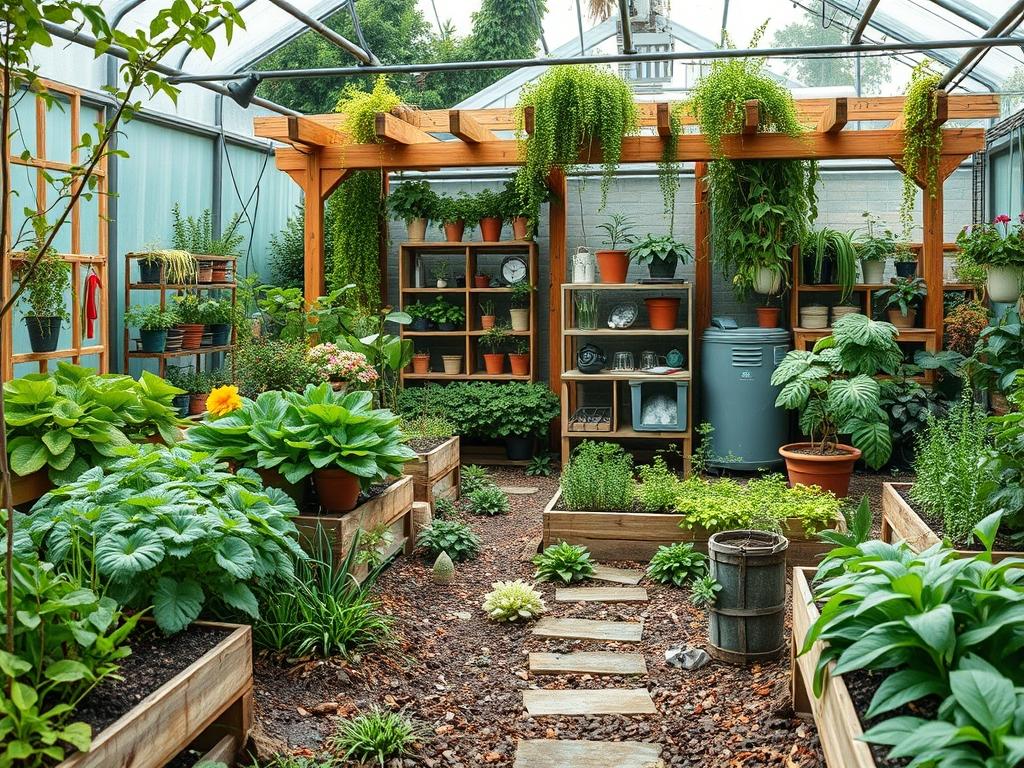
Designing a functional outdoor environment involves more than placing a structure in a yard; it requires a deep understanding of site orientation, drainage, and the psychological impact of the built environment. When approaching Backyard Catio Construction, the primary challenge lies in balancing feline safety with the aesthetic integrity of the existing landscape. A poorly planned enclosure can disrupt the visual flow of a garden, creating a jarring obstruction rather than a harmonious retreat. Professional landscape architecture views the catio as a transitional space that bridges the gap between the domestic interior and the raw biological world. Climate considerations play a decisive role here, as the choice of materials must account for local humidity, wind loads, and thermal expansion. By treating the catio as a permanent architectural feature, we can enhance curb appeal and property value while providing a stimulating, secure habitat.
Landscape Design Principles
Successful integration of a catio into a professional landscape depends on the application of classical design principles, specifically symmetry and focal points. A catio should not look like a cage tacked onto a wall; it should align with the windows, doors, or rooflines of the primary residence to maintain architectural symmetry. If the structure is freestanding, it becomes a secondary focal point that must be anchored to the ground using Retaining Walls or heavy plantings to prevent it from appearing adrift.
Elevation layers are equally critical. Cats thrive on verticality, and a well-designed landscape should mirror this preference. By utilizing tiered planting beds around the perimeter, we can soften the transition from the ground plane to the vertical mesh. Irrigation planning must be conducted prior to the construction phase to ensure that water lines do not run directly beneath the structure’s footing, which could lead to soil instability. Walkways should be designed to flow naturally around the enclosure, using Flagstone or Decomposed Granite to define the path and direct foot traffic away from sensitive root zones. Visual balance is achieved when the density of the enclosure is countered by the airy texture of nearby ornamental grasses, preventing the backyard from feeling cluttered or enclosed.
Plant and Material Selection
The following selection of vegetation focuses on feline safety, aesthetic versatility, and low-maintenance requirements within a managed landscape.
| Plant Type | Sun Exposure | Soil Needs | Water Demand | Growth Speed | Maintenance Level |
| :— | :— | :— | :— | :— | :— |
| Boston Fern | Partial Shade | Humus Rich | High | Moderate | Medium |
| Catnip | Full Sun | Well-Drained | Low | Fast | Low |
| Spider Plant | Sun to Shade | Loamy | Medium | Fast | Low |
| Snapdragon | Full Sun | Rich / Neutral | Medium | Moderate | Medium |
| Zinnia | Full Sun | Well-Drained | Low | Fast | Low |
| Lemongrass | Full Sun | Moist / Sandy | Medium | Fast | Moderate |
When selecting construction materials, Pressure-Treated Lumber or Western Red Cedar are the industry standards for longevity and rot resistance. For the enclosure itself, 14-Gauge Galvanized Steel Mesh provides the necessary durability against both predators and feline claws.
Implementation Strategy
The execution of Backyard Catio Construction begins with meticulous site grading. The ground must slope away from the house and the enclosure at a minimum of two percent to prevent water from pooling at the base. Once the site is leveled, the footprint should be marked using Surveyor’s Tape or Marking Paint to visualize the spatial impact. If the catio is large, consider installing a Concrete Footer or a series of Deck Pier Blocks to distribute the weight and prevent sinking over time.
Following the foundation work, attention shifts to the hardscaping surround. Installing Landscape Webbing or professional-grade Weed Barriers beneath a 3-Inch Layer of Cedar Mulch will minimize maintenance and provide a clean, aromatic perimeter. For drainage, a French Drain may be necessary if the catio is situated at the base of a slope. This involves a perforated pipe buried in a trench filled with 1-Inch River Rock, which redirects runoff away from the structure. Finally, edging should be installed using Steel Edging or Tumbled Brick to create a crisp border between the catio’s foundation and the surrounding turf or garden beds.
Common Landscaping Failures
The most frequent mistake in backyard projects is the neglect of subsurface drainage. When water saturates the soil near the foundation of an outdoor structure, it leads to wood rot and creates a breeding ground for insects. Another common failure is root overcrowding. Many homeowners plant fast-growing shrubs too close to the mesh, which eventually leads to the roots undermining the structural footings or the branches warping the wire.
Improper spacing and failure to account for the mature size of plants can also obstruct necessary airflow, making the catio uncomfortably hot for the feline during summer months. Soil compaction is a hidden danger; heavy foot traffic during the construction phase can crush the pore spaces in the soil, suffocating the roots of nearby established trees. Finally, irrigation inefficiencies occur when sprinkler heads are aimed directly at the catio walls rather than the surrounding landscape, leading to premature weathering of the Wood Sealant and mineral staining on the mesh.
Seasonal Maintenance
Landscape management is a year-round commitment that changes with the light and temperature. In the spring, the focus should be on pruning the vegetation surrounding the catio. This is the time to check the integrity of the Ground Anchors and reapply a UV-resistant Wood Stain if the color has faded. Spring is also the ideal moment to refresh the Mulch to a depth of three inches to suppress weeds and retain soil moisture for the coming heat.
Summer maintenance centers on irrigation. Ensure that the feline-safe plants receive consistent hydration, particularly those in containers or hanging baskets within the enclosure. Autumn requires the removal of leaf litter from the roof of the catio to prevent moisture traps. This is also when you should inspect the Stainless Steel Fasteners for any signs of loosening due to thermal contraction. During the winter, the priority shifts to snow load management and protecting sensitive perennials with Burlap Wraps. If your region experiences heavy freezes, ensure that any water features near the catio are winterized to prevent pipe bursts that could erode the soil footer.
Professional Landscaping FAQ
How do I prevent my cat from digging under the enclosure?
Install a Hardware Cloth apron that extends 12 inches outward from the base, buried under three inches of soil or Decorative Gravel. This creates a physical barrier that prevents escape and thwarts predators from digging into the catio from the outside.
What is the best ground cover inside a catio?
A combination of Ames Pea Gravel and Pet-Safe Artificial Turf is ideal. Gravel provides excellent drainage and a clean surface, while artificial turf offers a soft texture for lounging. Avoid cocoa mulch, as it is toxic to many animals.
Can I incorporate a vertical garden into my catio design?
Yes; utilize Wall-Mounted Planters filled with Wheatgrass or Cat Thyme. Vertical gardening maximizes the internal square footage, providing the cat with environmental enrichment without sacrificing floor space for movement, scratching posts, or climbing ramps.
How do I hide the catio structure from my neighbors?
Incorporate Privacy Trellises with non-toxic climbing plants like Star Jasmine. These provide a biological screen that softens the silhouette of the timber frames while maintaining airflow and giving your cat a sense of being hidden in the wild.
What is the most durable wood for outdoor catio construction?
Redwood and Cedar are the premium choices due to their natural tannins which resist rot, decay, and insect infestation. If budget is a concern, Pressure-Treated Pine is acceptable, provided it is rated for ground contact and thoroughly sealed.