
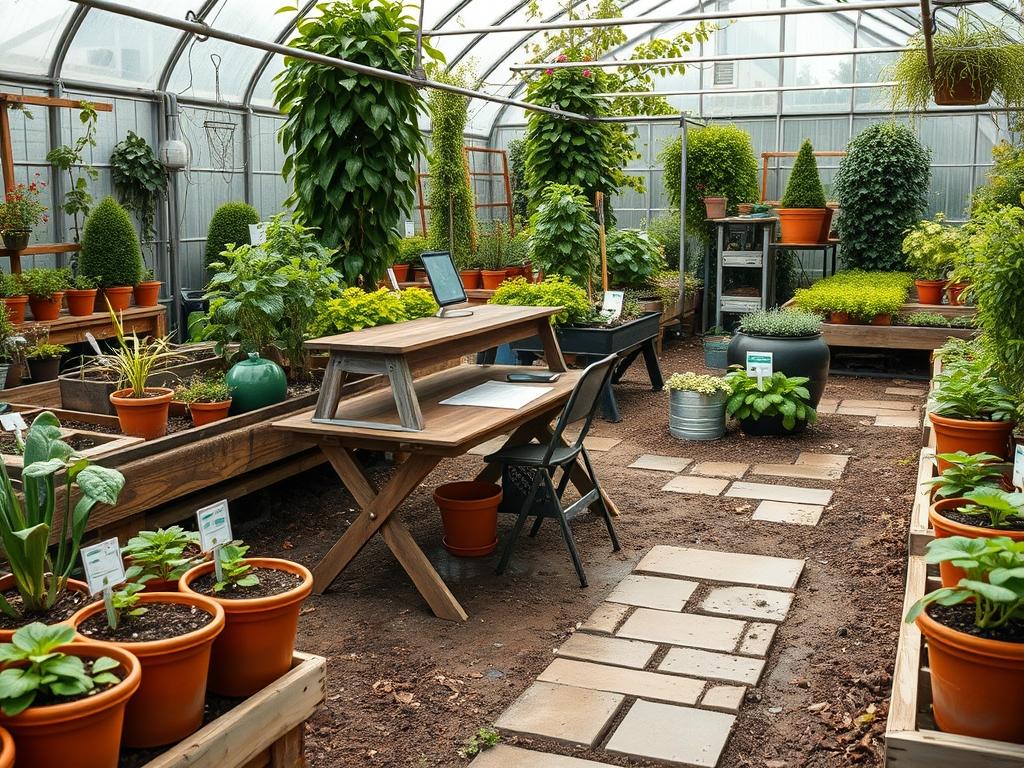
Integrating a professional workspace into a biological environment requires a delicate balance between ergonomics and horticulture. The rise of remote work has shifted the focus of residential landscape design from purely aesthetic enjoyment to high-performance functionality. When we consider the installation of Fold-Down Backyard Desks, we are not merely adding a piece of furniture to a patio; we are creating a micro-environment that must withstand the elements while providing a conducive atmosphere for cognitive focus. Strategic site selection is paramount. Architects must evaluate the solar orientation to prevent screen glare, the proximity to existing irrigation zones to avoid water damage, and the overall impact on the property’s flow. A well-placed desk can actually enhance curb appeal by demonstrating a sophisticated use of vertical space, particularly in smaller urban gardens where every square foot is at a premium.
Designing for these outdoor offices involves understanding how the built environment interacts with the living landscape. A desk that folds away when not in use allows a garden to retain its primary identity as a place of rest, yet it must be sturdy enough to support laptops, monitors, and the weight of a professional’s daily needs. We look at the interplay between hardscaping and softscaping to ensure that the transition from a work zone to a relaxation zone is seamless. This requires a professional eye for drainage patterns, as standing water near a workstation’s foundation or mounting point can lead to structural failure or wood rot. By treating the workspace as a specialized garden feature, homeowners can achieve a level of utility that increases property value and improves daily quality of life.
Landscape Design Principles
The foundation of a successful outdoor office lies in the principle of visual and structural symmetry. When mounting Fold-Down Backyard Desks against a wall or fence, the surrounding vegetation should frame the station to create a sense of enclosure without feeling claustrophobic. Symmetry helps ground the desk in the landscape, making it feel like an intentional architectural choice. For instance, flanking the desk with a pair of Pyramidal Boxwoods in terracotta planters creates a formal, professional aesthetic. Focal points are equally important; while the desk is the functional center, it should be positioned to take advantage of distant views or a specific garden feature, such as a water fountain or a well-pruned Japanese Maple.
Elevation and layering provide the necessary depth to keep the workspace from feeling flat. Using retaining walls can create different levels within the garden, perhaps placing the desk on a slightly elevated flagstone platform to separate it from the lawn. This separation helps mentally distinguish between “work” and “home” modes. We also prioritize irrigation planning during this phase. Subsurface drip irrigation is preferred over overhead spraying near any wooden or metal furniture. This keeps the root zones of nearby plants hydrated without exposing the desk or its mounting hardware to constant moisture. Walkways provide the final touch, ensuring that clear paths of decomposed granite or pavers lead directly to the desk, preventing soil compaction in high-traffic areas.
Plant and Material Selection
| Plant or Material | Sun Exposure | Soil Needs | Water Demand | Growth Speed | Maintenance Level |
| :— | :— | :— | :— | :— | :— |
| English Lavender | Full Sun | Well-drained, sandy | Low | Moderate | Low (Prune after bloom) |
| Blue Star Creeper | Partial Shade | Loamy, moist | Moderate | Fast | Low (Occasional trimming) |
| Western Red Cedar | N/A (Material) | N/A | N/A | N/A | Moderate (Annual sealing) |
| Powder-Coated Steel | N/A (Material) | N/A | N/A | N/A | Low (Cleaning) |
| Dwarf Fountain Grass | Full Sun | Adaptable | Low | Fast | Low (Cut back in winter) |
| Star Jasmine | Full Sun/Part Shade | Rich, well-drained | Moderate | Fast | Moderate (Training vines) |
Implementation Strategy
The implementation of a functional backyard desk begins with rigorous site preparation. First, the ground must be assessed for its percolation rate and stability. If the desk is freestanding, a concrete footer or a stable base of 3 inches of crushed stone and 2 inches of leveling sand is necessary to prevent settling. For wall-mounted units, the surface must be structural. If mounting to a fence, the 4×4 pressure-treated posts must be reinforced. Once the site is prepared, the grading should show a slight 2 percent slope away from the desk area to guide rainwater toward the lawn or a French drain.
Next, focus on the surrounding soil and plant installation. Dig holes that are twice as wide as the root ball for your chosen species, ensuring you do not plant too deep. Apply a layer of hardwood mulch at a depth of 3 inches around the perimeter of the workspace to suppress weeds and retain moisture. For the desk itself, use a spirit level to ensure the surface is perfectly horizontal when deployed. All hardware should be stainless steel or galvanized to prevent rust. Finally, integrate a low-voltage lighting system, using LED path lights, to allow for evening use without creating harsh shadows that conflict with the garden’s natural beauty.
Common Landscaping Failures
One of the most frequent mistakes in outdoor workspace design is the total neglect of drainage. When a desk is installed against a flat wall without proper flashing or a slight overhang, water can seep behind the mounting plate, leading to rot and mold. Another common failure is root overcrowding. Planting vigorous trees like Willows or Poplars too close to the desk’s foundation will eventually lead to the heaving of pavers or the cracking of concrete as the roots expand. Professionals recommend a minimum clearance of 5 feet between the desk’s base and any large woody species.
Soil compaction is another silent killer of garden health near workspaces. As people sit and move their chairs, the weight compresses the soil, cutting off oxygen to the roots of nearby plants. To avoid this, always install a hard surface such as bluestone or composite decking under the desk area. Improper spacing of foliage can also disrupt the utility of the desk. Plants that grow too wide or have thorns, such as certain Rose varieties, can make it uncomfortable to access the desk. Finally, irrigation inefficiencies, such as having a sprinkler head aimed directly at the desk’s height, will destroy your equipment and the desk surface in a single season.
Seasonal Maintenance
Seasonal care ensures your landscape and your Fold-Down Backyard Desks remain in peak condition. In the spring, inspect all moving parts of the desk mechanism. Apply a silicone-based lubricant to hinges and verify that the mounting screws are tight. This is also the time to apply a fresh 1-inch layer of compost to the surrounding garden beds to jumpstart growth. As summer arrives, the focus shifts to hydration. Monitor the soil moisture levels and check for signs of heat stress in the plants surrounding the workspace. Clearing away spent blooms from Star Jasmine or Lavender will keep the area smelling fresh and looking professional.
Autumn is the season for protection and preparation. If the desk is made of wood, apply a fresh coat of UV-resistant sealant or Teak oil before the heavy rains or snow begin. Clean out the gutters of any nearby structures to prevent overflow from splashing onto the desk. In the winter, if the area experiences freezing temperatures, consider covering the desk with a waterproof heavy-duty tarp if it is not made of marine-grade materials. Take this time to prune back any deciduous shrubs like Dwarf Fountain Grass to within 4 inches of the ground, ensuring they are ready for a vigorous return when the weather warms.
Professional Landscaping FAQ
What is the best material for a low-maintenance backyard desk?
Powder-coated aluminum or stainless steel offers the greatest longevity. If you prefer wood, Western Red Cedar or Ipe are naturally rot-resistant and withstand fluctuating humidity levels better than standard pine or plywood materials.
How do I prevent mosquitoes from ruining my outdoor workspace?
Integrate aromatic plants like Lemon Balm or Citronella Grass around the desk. Ensure there is no standing water in saucers or gutters, and consider installing a small outdoor ceiling fan to create air movement that deters flying insects.
Can I install a fold-down desk on a standard privacy fence?
Only if the fence is structurally sound. You must mount the desk directly into the 4×4 posts rather than the thin pickets. If the posts are wobbly, reinforce them with concrete or metal heavy-duty brackets first.
How do I manage power and internet for my outdoor desk?
Run weatherproof outdoor-rated extension cords through PVC conduit buried 12 inches underground. For internet, use a Wi-Fi mesh extender placed in the nearest indoor room or install an outdoor-rated wireless access point on the exterior wall.
What is the ideal height for a fold-down garden desk?
Standard ergonomic height for a desk is 29 to 30 inches from the ground. Ensure the ground surface beneath is level so your ergonomic office chair does not roll or tilt while you are trying to work.