
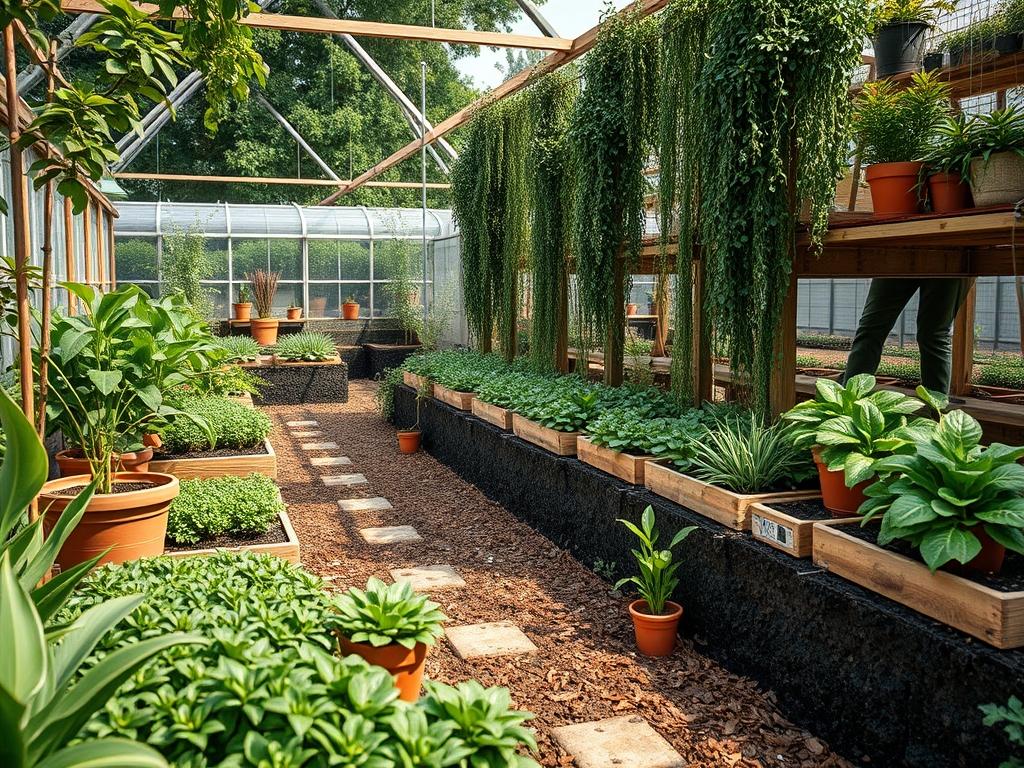
Achieving true seclusion in a modern residential landscape requires more than just a row of haphazardly placed shrubs. It demands a sophisticated understanding of spatial geometry, horticultural resilience, and the subtle interplay between softscape and hardscape elements. Strategic Privacy Planting serves as a living architecture, designed to mitigate noise, filter wind, and block sightlines without creating the oppressive atmosphere of a solid fortress wall. When we approach a site as consultants, we first evaluate the microclimate, including the solar aspect and prevailing wind patterns, alongside the existing topography. A sloped lot requires a different screening logic than a flat suburban parcel. We consider how the verticality of a tree canopy interacts with the horizontal plane of a patio, ensuring that the final design enhances curb appeal while maximizing the functionality of every square foot of the outdoor environment.
Strategic Privacy Planting is not merely about height; it is about the intelligent layering of textures and densities. A single line of identical evergreens often lacks visual depth and can be susceptible to total failure if a single species-specific pathogen enters the garden. Instead, we advocate for a polyculture approach. By integrating a diversity of species, we create a more resilient ecological barrier that provides year-round interest. This methodology also allows for a natural transition between the structured areas of the home and the wilder edges of the property. Whether the goal is to obscure a neighbor’s second-story window or to muffle the hum of a nearby thoroughfare, the successful plan balances the immediate need for screening with the long-term health of the soil and the structural integrity of nearby underground utilities.
Landscape Design Principles
Professional landscape design relies on five core pillars to ensure a privacy screen feels intentional rather than reactive. The first is elevation layering. This involves placing tall canopy trees at the rear, mid-sized understory shrubs in the center, and low-lying perennials or groundcovers at the front. This tiered approach mimics natural woodland edges and eliminates the “tunnel effect” often created by flat hedging. Second, we prioritize visual balance and symmetry. While formal gardens might use perfectly sheared Boxwoods to create a mirror image, informal landscapes use asymmetrical balance, placing a large specimen tree on one side and a cluster of medium-sized shrubs on the other to achieve a felt sense of equilibrium.
Focal points are the third essential principle. By directing the eye toward a high-quality feature, such as a Basalt Column Fountain or a specimen Japanese Maple, the observer’s attention is drawn away from the less desirable views beyond the property line. Fourth, we must integrate circulation and walkways. A privacy screen should never feel like a dead end; it should frame a path or lead the eye toward a transition zone. Finally, irrigation planning must be baked into the design from the start. A primary cause of screening failure is uneven water distribution. We utilize Drip Irrigation Lines hidden beneath 3 inches of Double-Grounded Hardwood Mulch to ensure deep root penetration without the evaporation losses associated with overhead sprayers.
Plant and Material Selection
| Plant Type | Sun Exposure | Soil Needs | Water Demand | Growth Speed | Maintenance Level |
| :— | :— | :— | :— | :— | :— |
| Emerald Green Arborvitae | Full Sun | Well-drained | Moderate | Medium | Low |
| Nellie R. Stevens Holly | Full/Partial | Acidic/Rich | Moderate | Fast | Moderate |
| Skip Laurel | Partial/Shade | Moist/Loamy | Moderate | Fast | Low |
| Green Giant Arborvitae | Full Sun | Adaptable | Low/Moderate | Very Fast | Moderate |
| Leyland Cypress | Full Sun | Well-drained | Moderate | Very Fast | High |
| Clumping Bamboo | Full/Partial | Rich/Moist | High | Extremely Fast | High |
| Canadian Hemlock | Shade/Partial | Cool/Moist | Moderate | Medium | Low |
Implementation Strategy
The execution of a Strategic Privacy Planting plan begins with precise site preparation. We start by flagging the property lines using a 100-foot Steel Tape Measure to ensure all installations comply with local setback ordinances. Following the survey, we address grading. If the area collects standing water, we install a French Drain using 4-inch Perforated PVC Pipe and Clean ¾-inch River Rock to divert moisture away from the root balls of sensitive species. Once the grade is stabilized, we mark the planting pits. Each hole should be excavated to at least twice the width of the root ball but no deeper than the height of the root flare. Using a Square-Point Shovel, we scarify the sides of the hole to prevent root circling in heavy clay soils.
After the structural plants are positioned, we install the hardscape elements such as Stacked Stone Retaining Walls or Timber Edging to define the beds. We then backfill with a mixture of native soil and Organic Compost to jumpstart microbial activity. The final step of the installation involves the application of a Pre-emergent Herbicide followed by a consistent layer of Bark Mulch. This mulch acts as a thermal blanket, regulating soil temperature and retaining the moisture delivered by the newly laid Polyethylene Drip Tubing. For immediate privacy, we often recommend “staggered spacing” rather than a straight line. By zig-zagging the plants in two rows, you achieve a denser screen immediately while allowing each plant the necessary lateral room to mature without overcrowding its neighbor.
Common Landscaping Failures
One of the most frequent errors in privacy landscaping is improper spacing based on the plant’s size at the time of purchase rather than its mature spread. Homeowners often plant Leyland Cypress only 3 feet apart to get an instant wall, but within five years, the lower branches die back due to lack of light and air circulation, leaving a “see-through” bottom. Soil compaction is another silent killer. During construction or heavy gardening, the use of heavy machinery crushes the pore spaces in the soil, preventing oxygen from reaching the roots. We combat this by using Mechanical Aerators or incorporating Expanded Shale into the planting beds.
Drainage mistakes also rank high among common failures. Many privacy evergreens, particularly Arborvitae, cannot tolerate “wet feet.” Planting them in a natural depression without a Catch Basin or proper Swale will lead to root rot and certain death. Furthermore, irrigation inefficiencies often stem from “set it and forget it” timers. As plants mature, their water needs change; young plants need frequent shallow watering, while established screens require infrequent deep soaking. Finally, the failure to consider the root system’s impact on hardscaping can be costly. Planting high-vigor species too close to a Concrete Walkway or a Pool Deck can lead to cracked surfaces and expensive repairs as the roots expand.
Seasonal Maintenance
A strategic landscape is a living investment that requires specific interventions throughout the year. In the spring, the focus is on nutrition and renewal. We apply a Slow-Release Granular Fertilizer with a balanced nitrogen-phosphorus-potassium ratio to support the flush of new growth. This is also the time to perform structural pruning on deciduous screening plants to remove any winter-damaged limbs using Bypass Loppers. As we move into summer, the priority shifts to hydronic management. During periods of extreme heat, we increase the run time of the Irrigation System and check the Mulch depth to ensure it hasn’t thinned, as exposed soil can reach temperatures that stunt root development.
Autumn is the season for soil health and preparation. We recommend a top-dressing of Leaf Mold or Compost to replenish nutrients used during the growing season. It is also the ideal window for planting new additions, as the cooler air and warm soil promote rapid root establishment before the ground freezes. In winter, the primary concern for privacy screens is mechanical damage from snow and ice. We use Burlap Twine to lightly wrap multi-stemmed evergreens like Skyrocket Junipers, preventing them from splaying under heavy loads. Additionally, applying an Anti-Desiccant Spray to broadleaf evergreens like Hollies can reduce moisture loss through the leaves when the ground is frozen and roots cannot take up water.
Professional Landscaping FAQ
What is the best way to get instant privacy?
For immediate results, utilize large-caliper nursery stock or install a Cedar Lattice Fence as a backdrop for fast-growing climbers. Staggering two rows of 6-foot Evergreens creates a denser visual barrier than a single row of taller, thinner trees.
How do I stop my neighbor’s tree roots from entering my garden?
Installing a Physical Root Barrier made of High-Density Polyethylene at a depth of 24 inches can effectively redirect encroaching roots. Ensure the barrier is tilted slightly away from the plants you are protecting to prevent upward root growth.
Will bamboo ruin my yard if I use it for screening?
Only if you choose running varieties. Always select Clumping Bamboo species, which expand slowly from a central mound. For extra security, plant them within Galvanized Steel Troughs or reinforced concrete planters to maintain absolute control over their footprint.
How do I handle privacy on a steep backyard slope?
Use a series of Terraced Retaining Walls built from Pressure-Treated Timbers or Segmental Tooled Blocks. These levels create flat planting pockets that prevent erosion and allow for layered screening that follows the natural elevation of the land.
What are the best native plants for privacy?
In North America, Eastern Red Cedar, American Holly, and Wax Myrtle are excellent choices. Native plants usually require less supplemental Irrigation and provide vital habitat for local pollinators while offering the same density as exotic ornamental species.