
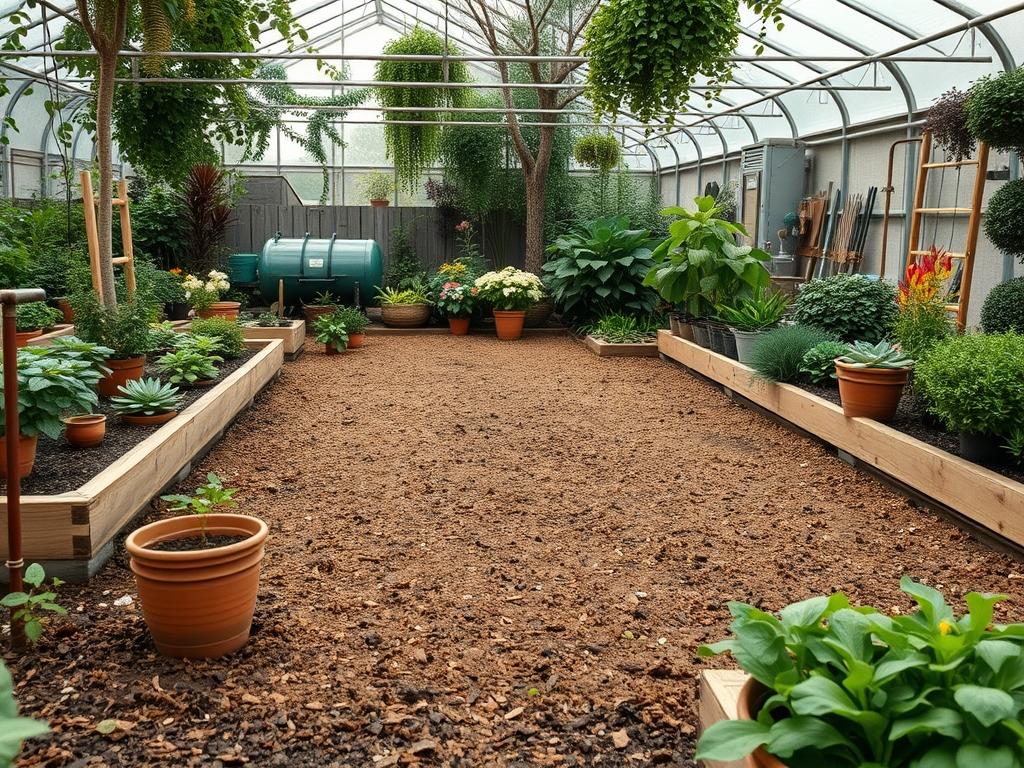
Integrating a dedicated recreation area into a sophisticated residential landscape requires a delicate balance between safety requirements and aesthetic continuity. Most homeowners view a play area as a secondary functional necessity, yet from a landscape architecture perspective, Backyard Loose Fill Play Zones serve as significant structural elements that influence site drainage, circulation patterns, and visual weight. The primary challenge lies in preventing the play zone from appearing like a disconnected island of plastic and wood chips. By applying professional grade design standards, we can transform these areas into integrated focal points that enhance rather than detract from the property value. Climate plays a decisive role in the selection of materials, particularly regarding how humidity affects the decomposition of organic fills or how thermal gain impacts synthetic options. High-end backyard planning necessitates a deep understanding of sub-grade preparation, ensuring that the transition from a manicured Kentucky Bluegrass lawn to a high impact safety surface is seamless and structurally sound.
Successful landscape design for active zones begins with a thorough site analysis to determine the microclimates and hydrological patterns of the property. A play zone positioned at the base of a slope without adequate drainage will quickly become a muddy basin, ruining the functionality of the loose fill material and potentially damaging the root systems of nearby specimen trees. We also consider the curb appeal and the long-term lifecycle of the space. As children age, a well-planned play zone should be easily convertible into a fire pit area, a meditation garden, or a secondary outdoor dining space. This forward thinking approach ensures that the capital investment in grading, retaining walls, and hardscape borders remains valuable for decades. By focusing on elevation changes and the use of natural materials, we can create a play environment that feels like a natural extension of the garden rather than an afterthought.
Landscape Design Principles
Symmetry and proportion are the foundations of any professional landscape, even when dealing with the irregular shapes often required for play equipment. When placing Backyard Loose Fill Play Zones, we look for ways to align the zone with existing architectural lines of the home or the primary axes of the garden. If the house features a modern, linear design, the play zone should reflect those clean edges through the use of Steel Edging or Rectangular Timber Curbing. For more traditional or cottage-style gardens, a kidney-shaped or freeform perimeter helps the zone blend into the surrounding flora.
Elevation layers offer a unique opportunity to define the space without using tall, obstructive fences. By utilizing a Natural Stone Retaining Wall or a tiered garden bed, we can create a physical boundary that also serves as a seating area for parents. This use of verticality adds depth to the backyard and helps to manage soil retention. Irrigation planning is another critical design pillar. We must ensure that Sprinkler Heads are relocated to the perimeter of the play zone to avoid saturating the loose fill, which can lead to mold growth in Engineered Wood Fiber or the displacement of Pea Gravel.
Walkways and circulation paths should lead the eye toward the play zone while providing a durable surface for high traffic. Instead of a direct, utilitarian path, consider a winding trail of Flagstone Pavers interspersed with Creeping Thyme. This creates a sense of discovery and integrates the play area into the broader garden narrative. Visual balance is achieved by counterweighting the high-intensity colors of play structures with a neutral palette of surrounding materials. Choosing Charcoal Grey Rubber Mulch or Natural Cedar Chips allows the focus to remain on the landscape architecture, using the greenery of the plants as a vibrant backdrop.
Plant and Material Selection
The transition between the loose fill and the rest of the garden is best managed through a thoughtful selection of hardy, non-toxic plants. These species must be able to withstand occasional foot traffic and the physical impact of stray play equipment.
| Plant Type | Sun Exposure | Soil Needs | Water Demand | Growth Speed | Maintenance Level |
| :— | :— | :— | :— | :— | :— |
| Blue Fescue | Full Sun | Well-drained | Low | Moderate | Low |
| Creeping Thyme | Full Sun | Sandy/Loamy | Low | Fast | Low |
| Wintergem Boxwood | Part/Full Sun | Well-drained | Medium | Slow | Medium |
| Switchgrass | Full Sun | Adaptable | Low | Fast | Low |
| Serviceberry | Full/Part Sun | Acidic/Moist | Medium | Moderate | Medium |
| Autumn Joy Sedum | Full Sun | Poor/Sandy | Low | Moderate | Low |
For the loose fill itself, we recommend Engineered Wood Fiber (EWF) for most residential applications due to its excellent impact attenuation and natural appearance. Unlike standard decorative mulch, EWF is processed to remove bark and twigs, creating a fibrous matrix that knits together to form a stable surface. Alternatively, Rubber Mulch offers the highest safety ratings and does not decompose, though it requires a higher initial investment. For a more tactile, sensory experience, Washed Play Sand or Pea Gravel can be utilized, provided they are contained within a significant border to prevent migration into the lawn.
Implementation Strategy
The process begins with precise grading. Using a Laser Level or a Transit Level, we determine the slope of the target area. A grade of 1 percent to 2 percent is ideal for directing surface water away from the play zone. Once the area is marked with Landscaping Stakes and String Lines, we excavate to a depth of at least 9 inches to 12 inches. This depth is necessary to accommodate both the drainage base and the required thickness of the loose fill material to meet safety standards for fall heights.
After excavation, the sub-grade must be compacted using a Plate Compactor to prevent future settling. We then install a layer of Non-woven Geotextile Fabric across the entire floor and up the sides of the pit. This fabric acts as a weed barrier and prevents the loose fill from mixing with the native soil, which is the leading cause of material degradation. For the borders, we often use 6×6 Pressure-Treated Timbers secured with 18-inch Steel Rebar Spikes. These timbers should be recessed into the ground to minimize tripping hazards while remaining high enough to contain the fill during active play.
The drainage layer consists of 3 inches of Clean Crushed Stone. This layer ensures that even during heavy downpours, water passes through the loose fill and into the ground rather than pooling on the surface. Finally, we install the loose fill in layers, raking each layer flat to ensure uniform coverage. For Engineered Wood Fiber, it is important to overfill the zone by about 10 percent initially, as the material will naturally compress over the first few weeks of use.
Common Landscaping Failures
One of the most frequent mistakes in backyard construction is the failure to account for “Critical Fall Height.” If the material is too shallow, it loses its ability to absorb impact, which can lead to serious injury. Homeowners often underestimate how much Mulch or Sand will settle over time. Another common failure is improper drainage. Without a dedicated stone base and geotextile separator, the loose fill will eventually “sink” into the mud, requiring a complete and expensive excavation to fix.
Root overcrowding is another issue particularly relevant to existing trees. Excavating a large pit for a play zone near a mature Oak or Maple can sever critical structural roots, leading to tree decline or instability. We always recommend maintaining a distance of at least 15 feet from the trunk of any major tree. Additionally, neglecting the edging height can result in material migration. If the border is flush with the grass, the Wood Chips or Gravel will inevitably end up in the lawn, where they can become projectiles when hit by a Lawn Mower.
Soil compaction inside the play zone is often overlooked. Over time, the constant treading of feet packs the fill down until it becomes as hard as concrete. Regular maintenance is the only way to prevent this. Finally, irrigation inefficiencies occur when homeowners fail to cap or move Sprinkler Heads. Water constantly hitting a play set or saturating Engineered Wood Fiber accelerates rot and creates an environment for pests like carpenter ants or termites.
Seasonal Maintenance
In the spring, the primary focus is on replenishment and safety inspections. After the winter thaw, the loose fill may have shifted or compressed. We recommend adding a fresh 2-inch top-off layer of Engineered Wood Fiber to maintain the required safety depth. This is also the time to check the Edging Timbers for any shifting or protruding Rebar. Inspect all play equipment hardware, tightening bolts and lubricating moving parts that may have rusted during the wet months.
Summer maintenance involves moisture management and weed control. While the geotextile fabric stops most weeds from below, seeds blown in from the wind can take root in the organic mulch. Hand-pulling these regularly prevents them from establishing a root system in the drainage layer. If using Rubber Mulch, be aware that it can retain significant heat in direct sunlight; periodic misting with a Garden Hose can help keep the surface temperature comfortable for children.
During autumn, leaf removal is the biggest priority. Decomposing leaves mixed into Backyard Loose Fill Play Zones will accelerate the breakdown of organic mulch and create a slippery surface. Use a Leaf Blower on a low setting to clear the area without displacing the fill. As winter approaches, ensure that the drainage outlets are clear of debris. In regions with heavy snow, avoid piling shoveled snow onto the play zone, as the weight can over-compact the material and the salt used on walkways can damage the soil chemistry of the surrounding plant beds when it melts.
Professional Landscaping FAQ
How deep should the loose fill be for safety?
For most residential play structures, a depth of 9 inches to 12 inches is recommended. This provides sufficient impact attenuation for fall heights up to 10 feet, according to standard safety guidelines.
Is rubber mulch better than wood fiber?
Rubber Mulch is more durable and has higher shock absorption, but it is more expensive and can get hot. Engineered Wood Fiber is more affordable and natural-looking but requires periodic replenishment as it decomposes.
How do I stop weeds from growing in the play zone?
Install a heavy-duty, Non-woven Geotextile Fabric beneath the fill. This prevents soil-to-mulch contact while allowing water to drain. Occasional surface weeds should be pulled by hand to keep the drainage layer clear.
Can I put a play zone over an existing lawn?
It is not recommended to simply dump mulch over grass. You must excavate the sod, grade the soil for drainage, and install a proper containment border to ensure the area remains stable and functional.
What is the best material for a play zone border?
Pressure-treated 6×6 Timbers are the industry standard for durability and cost. For a more high-end aesthetic, Stacked Fieldstone or Concrete Curbing provides a permanent, elegant look that integrates well with other garden features.