
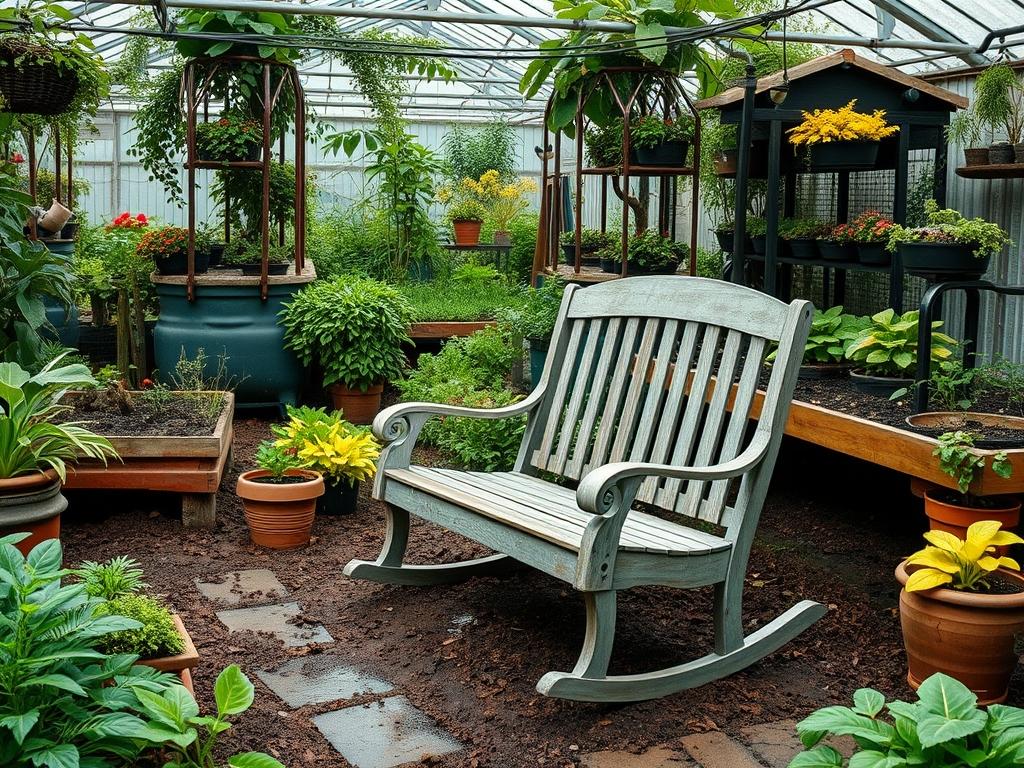
Landscaping a backyard rocking bench styling requires a nuance often overlooked in static patio designs. Because these pieces involve kinetic motion, the surrounding environment must accommodate both the physical footprint and the psychological need for tranquility. A poorly placed bench feels like an afterthought; however, a professionally curated sanctuary serves as a functional anchor for the entire outdoor space. Designers must account for the sun path, prevailing wind directions, and the transition between manicured turf and hardscaped surfaces. To achieve true comfort, the site must be graded perfectly. A rocking motion on an uneven slope creates mechanical stress on the furniture and physical discomfort for the user. We look at the landscape as a holistic system where the bench is the lens through which the rest of the garden is viewed.
Landscape Design Principles
Successful Backyard Rocking Bench Styling begins with the principle of enclosure. A bench sitting in the middle of a vast, open lawn often feels exposed and vulnerable. To create a sense of security, we utilize the concept of “prospect and refuge.” This involves placing the bench against a solid or semi-solid backdrop, such as a Retaining Wall, a dense Hedge, or a decorative Trellis. This provides the “refuge,” while the open view in front provides the “prospect.” Symmetry plays a vital role here. Flanking the bench with identical Planters or Columnar Evergreens creates a formal, balanced aesthetic that draws the eye toward the seating area as a primary focal point.
Elevation layers are equally critical. By slightly elevating the bench area on a low Stone Plinth or a dedicated Paver Patio, you separate the relaxation zone from the utility areas of the yard. This vertical shift, even if it is only 3 inches or 4 inches, signals a change in the environment. For irrigation planning, ensure that the bench is not positioned directly within the throw of a Pop-up Sprinkler Head. Constant exposure to reclaimed water or high-pressure spray will degrade wood finishes and cause metal components to rust. Instead, utilize Drip Irrigation for the surrounding plants to keep the area dry and maintenance-friendly. Finally, consider the walkway mapping. A path of Flagstone or Stepping Stones should lead naturally to the bench, preventing “social trails” from wearing down the grass.
Plant and Material Selection
The following selections prioritize texture, fragrance, and low-maintenance requirements to enhance the sensory experience of your rocking bench area.
| Plant Type | Sun Exposure | Soil Needs | Water Demand | Growth Speed | Maintenance |
| :— | :— | :— | :— | :— | :— |
| English Lavender | Full Sun | Well-drained, Sandy | Low | Moderate | Prune annually |
| Boxwood ‘Winter Gem’ | Full to Part Sun | Loamy, Neutral pH | Moderate | Slow | Minimal shaping |
| Japanese Maple | Filtered Shade | Rich, Acidic | High | Slow | Seasonal thinning |
| Creeping Thyme | Full Sun | Poor to Average | Low | Fast | Occasional edging |
| Blue Oat Grass | Full Sun | Well-drained | Very Low | Moderate | Cut back in spring |
| Star Jasmine | Full to Part Sun | Versatile | Moderate | Fast | Support required |
Materials should be selected for durability and tactile comfort. Decomposed Granite (DG) is an excellent choice for a rustic, permeable base, while Natural Blue Stone offers a more high-end, contemporary finish. If using Mulch, select a double-shredded hardwood variety that stays in place during the rocking motion and does not blow onto the seating surface.
Implementation Strategy
The first step in backyard layout planning is to mark the “rocking radius.” You must allow for at least 3 feet of clear space both in front of and behind the bench to ensure the rockers do not strike plants or walls. Begin by excavating the area to a depth of 6 inches. Use a Line Level and String to establish the grade, ensuring a slight 1 percent slope away from any permanent structures to facilitate drainage. After excavation, lay down a heavy-duty Geo-textile Fabric to prevent weed growth and soil migration.
Next, install a base of 4 inches of Crushed Limestone or Class 5 Gravel. Use a Power Tamper or a Hand Tamper to compact this layer until it is rock-solid. This foundation prevents the bench from sinking into the soft earth over time. If you are installing a hardscape like Pavers or Flagstone, apply a 1-inch layer of Bedding Sand over the gravel before setting the stones. For the edging, use Steel Edging or Belgian Block to create a crisp border between the bench pad and the surrounding garden beds. Finish the area by applying a 2-inch layer of Wood Chips or Decorative Pebbles in the planting zones to retain moisture and suppress weeds.
Common Landscaping Failures
The most frequent mistake in backyard rocking bench styling is neglecting the “swing zone” clearance. Owners often plant fast-growing shrubs like Privet or Lilac too close to the bench. Within two seasons, the branches begin to scrape against the furniture, ruining the finish and creating an annoying noise. Another significant failure is soil compaction. If the bench is placed directly on turf, the repetitive pressure from the rockers will kill the grass and compact the soil, leading to a muddy pit whenever it rains.
Improper drainage is a silent killer of outdoor furniture. If the bench area is the lowest point in the yard, it will collect runoff, leading to “wet feet” for the user and accelerated rot for the bench legs. We also see many DIY projects fail because they do not account for root heave. Placing a heavy bench directly over the root zone of a Silver Maple or Willow will result in an uneven surface as the roots expand and lift the ground. Always ensure there is a clear barrier or sufficient distance between large tree roots and the bench foundation.
Seasonal Maintenance
In the spring, focus on the integrity of the foundation. Check for any “following” or settling in the gravel or pavers caused by the winter freeze-thaw cycle. Re-level any stones using a Level and a Rubber Mallet. Prune back any Ornamental Grasses or Perennials that have encroached on the rocking radius. Apply a fresh application of Pre-emergent Herbicide to the base material to prevent summer weeds from sprouting through the cracks.
During the summer, the primary task is irrigation management. Check your Drip Emmitters to ensure they are providing enough water to the surrounding plants without oversaturating the bench area. If your bench is made of Teak or Cedar, apply a light coat of UV-Protectant Oil to prevent silvering. In autumn, clear away fallen leaves and organic debris from the base of the bench. Rotting leaves trap moisture against the wood or metal, which can cause significant damage over the winter. Finally, in winter, if you live in a climate with heavy snowfall, consider moving the bench to a covered area or using a high-quality Heavy-duty Furniture Cover. If the bench remains outdoors, ensure it is not placed where snow falling from a roofline will impact it.
Professional Landscaping FAQ
How much space do I need for a rocking bench?
You should plan for a total footprint of at least 8 feet deep. This accounts for the bench itself plus a 3-foot safety buffer in the front and rear to accommodate the full range of motion.
What is the best ground cover under a rocker?
Decomposed Granite or Fine Pea Gravel are the best options. They provide a stable, level surface that allows for natural drainage while remaining firm enough to support the weight of the rocking motion without shifting significantly.
Can I put a rocking bench on a wooden deck?
Yes, but you should install Sacrificial Wear Strips or Outdoor Rugs made of Polypropylene. The constant friction of the rockers can wear through the deck’s stain or sealant, eventually leading to wood splintering or rot.
How do I prevent my bench from sliding while rocking?
Ensure the surface is perfectly level using a Transit Level. If sliding persists on smooth surfaces like Polished Concrete, apply Adhesive Rubber Strips to the bottom of the rockers to increase friction and protect the finish.
Which plants attract birds near a seating area?
Incorporate Coneflower, Zinnia, and Elderberry into your landscape. These provide seeds and nectar. Ensure these plants are placed 5 feet away from the bench to avoid disturbing the wildlife while you enjoy the view.