
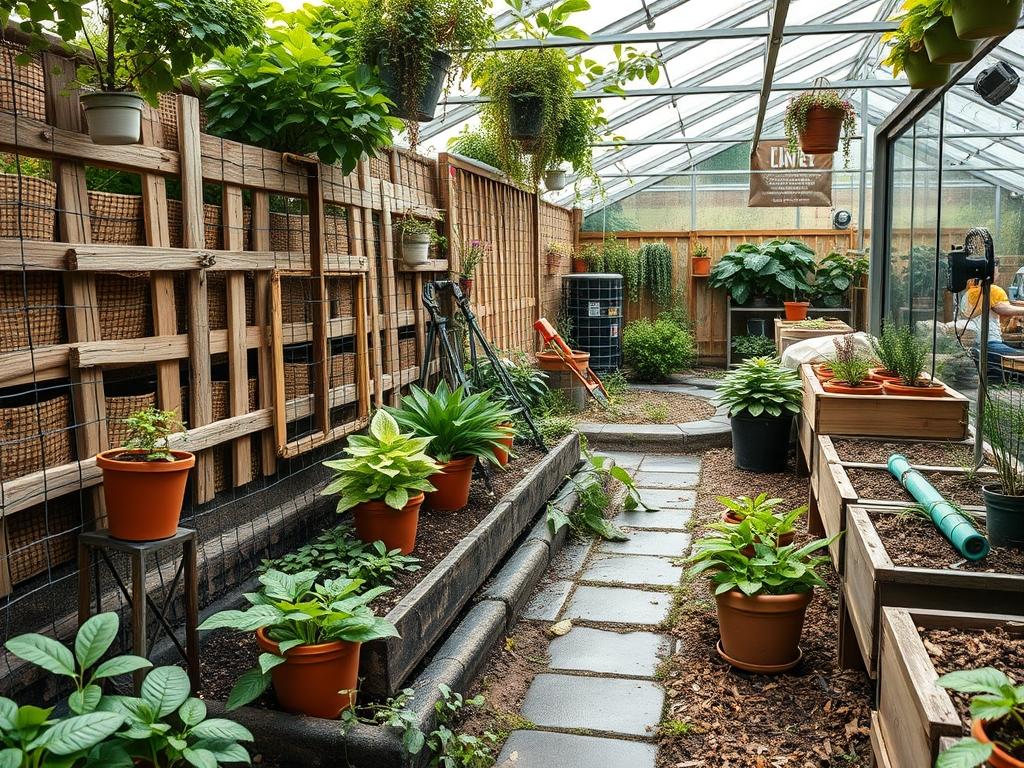
The psychological and functional impact of environmental noise on a residential landscape cannot mid-state. Urban and suburban properties often struggle with intrusive sounds from traffic, neighborhood machinery, or adjacent social spaces, which significantly degrades the sanctuary of the outdoor environment. As a professional landscape architect, my primary objective when addressing these concerns is to integrate Backyard Soundproofing Fences that serve both a structural and aesthetic purpose. Achieving true acoustic privacy requires more than just a standard wooden barrier; it demands a sophisticated understanding of sound wave behavior, site elevation, and climate-specific material resilience. A well-designed sound barrier does not just block noise; it enhances curb appeal and increases the property value by creating a serene, multi-functional outdoor living room. Effective planning must account for local wind patterns, the seasonal transformation of deciduous vegetation, and the underlying soil mechanics that support heavy, high-density structures.
Landscape Design Principles
To design an effective acoustic barrier, one must apply the principles of mass, density, and height. Sound behaves much like water; it will find any gap, crack, or low point to flow through or over. Therefore, symmetry and visual balance must be married to the hard engineering of sound attenuation. We utilize a concept called the shadow zone, which is the quiet area created behind a barrier. To maximize this zone, the Backyard Soundproofing Fences must be positioned as close to the noise source or the primary seating area as possible.
Elevation layers are critical in this process. If a property sits below the grade of a nearby road, a standard 6-foot fence will be insufficient because the sound waves will simply travel over the top. In these instances, we incorporate retaining walls to raise the base elevation of the fence, effectively creating a taller psychological and physical wall without violating local municipal height restrictions. Focal points, such as a custom water feature or a stone hearth, should be placed within the quietest part of the yard to draw the eye away from the perimeter. Furthermore, the design must include meticulous irrigation planning. Dense, sound-absorbing hedges planted alongside a solid fence require consistent hydration, particularly because the fence itself can create a rain shadow, blocking natural precipitation from reaching the root zones.
Visual balance is achieved by layering materials. A monolithic, heavy wall can feel oppressive if left bare. We soften these hardscapes by using staggered heights in our planting beds, which creates a naturalistic transition between the lawn and the structural barrier. This layering also aids in sound refraction; while the solid fence reflects the sound, the irregular surfaces of the plants break up the waves, further reducing the total decibel level.
Plant and Material Selection
The following table outlines high-performance selections for integrating softscape elements with your acoustic structures. These choices focus on density and year-round coverage.
| Plant Type | Sun Exposure | Soil Needs | Water Demand | Growth Speed | Maintenance Level |
| :— | :— | :— | :— | :— | :— |
| Thuja occidentalis | Full Sun to Part Shade | Well-drained, Loam | Moderate | Fast | Low |
| Prunus laurocerasus | Full Sun to Deep Shade | Fertile, Acidic | Moderate | Medium | Medium |
| Ilex x meserveae | Part Sun | Moist, Acidic | Moderate | Slow | Low |
| Taxus x media | Shade to Full Sun | Well-drained | Low | Slow | Medium |
| Viburnum dentatum | Full Sun to Part Shade | Adaptable | Moderate | Fast | Low |
| Ligustrum japonicum | Full Sun | Tolerant | Moderate | Fast | High |
| Buxus sempervirens | Part Shade | Alkaline to Neutral | Low | Slow | Medium |
Implementation Strategy
The implementation of Backyard Soundproofing Fences begins with a comprehensive site survey and grading analysis. Before any posts are set, the ground must be leveled or sloped away from the structure to ensure proper drainage. Water accumulation at the base of a heavy acoustic fence can lead to soil saturation and eventual structural lean. We typically utilize Concrete Footings excavated to at least 36 inches deep, or below the local frost line, to ensure the absolute stability of the heavy materials required for sound deadening.
Once the subgrade is prepared, we install the primary support system, often consisting of Steel Posts or Pressure-treated 6×6 Timbers. The fence panels themselves should be constructed from high-density materials such as Mass Loaded Vinyl (MLV) sandwiched between 1-inch thick Cedar boards or tongue-and-groove composite pickets. There should be zero gaps between the pickets; even a gap representing one percent of the fence surface can leak up to fifty percent of the noise.
After the hardscaping is secure, we address the landscape edging. A heavy-duty Steel Edger or Stone Border defines the planting beds and prevents turf grass from migrating into the mulch. A 3-inch layer of double-ground hardwood mulch should be applied to the beds to retain moisture for the sound-dampening hedges. Finally, we install a Drip Irrigation System with an automated controller to ensure the root systems of our Native plants remain healthy and dense, as a thinning hedge loses its acoustic effectiveness.
Common Landscaping Failures
One of the most frequent errors in noise mitigation is the failure to account for drainage. When homeowners install a solid, heavy-duty barrier, they often inadvertently create a dam that traps surface water. Without proper perforated drainage pipes or gravel swales at the base, this trapped water can undermine the fence footings and cause the wood to rot prematurely.
Another common failure is root overcrowding. In an effort to get immediate privacy, many DIY installers plant Emerald Green Arborvitae too close together. This leads to poor air circulation, fungal diseases, and “die-back” in the center of the plants, which creates holes in your acoustic screen. Similarly, ignoring the soil compaction caused by heavy machinery during the fence installation can lead to stunted plant growth. Soil must be aerated and amended with organic compost before planting begins.
Lastly, many forget to seal the bottom of the fence. A gap of just 2 inches at the bottom of a fence allows sound waves to bounce off the hard ground and slide right under the barrier. We solve this by installing a “sacrificial” rot-board that is partially buried or by using a dense rubber sweep along the bottom edge of the lower rail.
Seasonal Maintenance
Maintaining the integrity of Backyard Soundproofing Fences requires a quarterly schedule. In the spring, the focus is on inspecting the footings for any shifting caused by the winter freeze-thaw cycle. This is also the time to apply a slow-release fertilizer to your evergreen buffers to encourage the dense new growth necessary for sound absorption.
During the summer, the primary task is irrigation management. High temperatures can cause wooden fences to shrink slightly, potentially opening small gaps. Regular staining or sealing with a UV-resistant sealant will prevent warping. Pruning should be done carefully to maintain a tight, columnar shape for hedges like Hicks Yew or Privet.
In autumn, clear fallen leaves from the base of the fence and the drainage grates. Decaying organic matter can trap moisture against the fence, leading to pest infestations or mold. This is also the ideal time to plant additional Native plants while the soil is still warm but the air is cool. Finally, in winter, ensure that snow piles from shoveling are not pushed against the fence, as the weight and moisture can stress the structural pickets and cause the wood to bow.
Professional Landscaping FAQ
How tall should a soundproofing fence be?
To be effective, the fence must break the line of sight between the noise source and the listener. In most residential settings, a height of 8 feet is the architectural standard for significant noise attenuation and privacy.
What is the best material for blocking traffic noise?
Materials with high mass are superior. Concrete blocks, Stone walls, or heavy Composite panels integrated with Mass Loaded Vinyl offer the best decibel reduction compared to standard thin-slat wooden fencing or chain link.
Can plants alone soundproof a backyard?
Plants act as sound diffusers rather than blockers. While a very thick, 20-foot wide belt of evergreens can reduce noise, they are best used as a supplement to a solid structural fence to soften echoes and improve aesthetics.
Do I need a permit for a soundproof fence?
Most municipalities have strict height and setback regulations for fences. Because acoustic fences are often taller and heavier than standard privacy fences, you must consult local building codes and likely apply for a structural permit.
How do I prevent my soundproof fence from rotting?
Ensure no wood-to-ground contact exists by using a Concrete Curb or Pressure-treated Skirt Board. Apply a high-quality water-repellent stain every two to three years and maintain a 2-inch gap between foliage and the fence surface for airflow.