
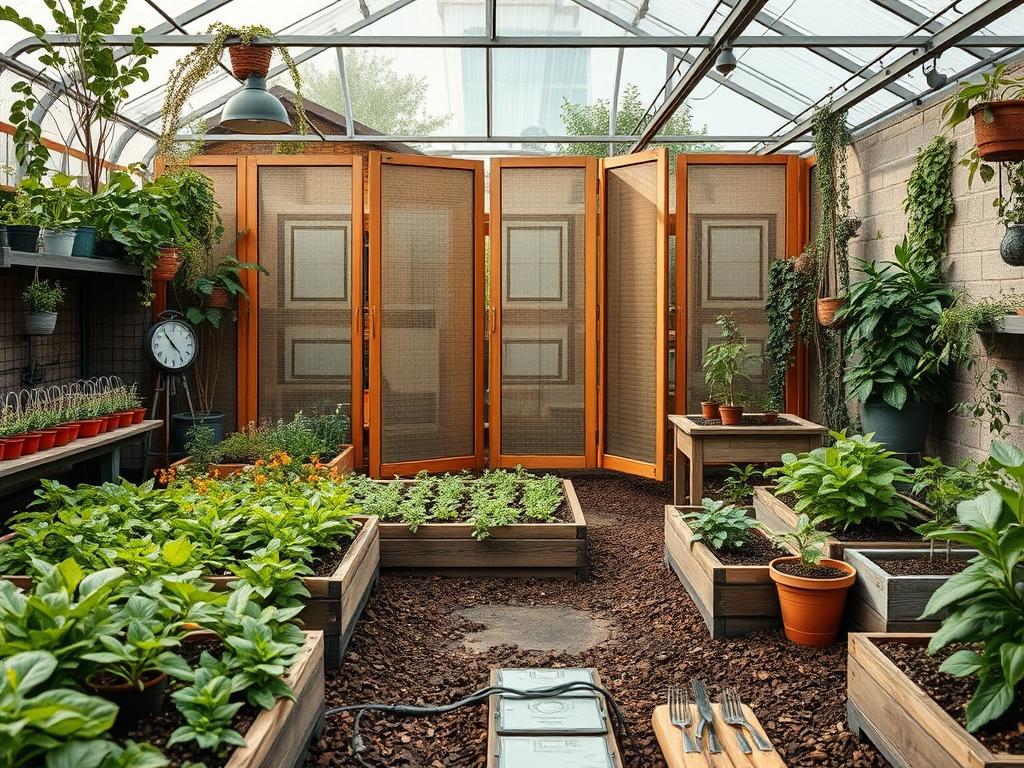
The modern backyard is no longer a static rectangle of turf; it has evolved into a multi-functional extension of the home that requires both flexibility and aesthetic cohesion. As a landscape architect, I often encounter the challenge of creating privacy and defining spaces without the permanence or cost of a masonry wall. This is where modern Backyard Folding Screen Designs enter the conversation as a sophisticated solution. These portable structures allow homeowners to adapt their outdoor environment to varying needs, whether it is shading a dining area from the low afternoon sun or concealing a pool pump. However, integrating a portable element into a permanent landscape requires a deep understanding of site orientation, wind dynamics, and visual weight. A screen that looks intentional adds to the curb appeal and functionality of the property, whereas a poorly placed one can appear as a cluttered afterthought.
Effective outdoor planning starts with assessing the microclimate of the specific lot. In regions with high wind loads, a portable folding screen acts as a sail, making its weight and the porosity of its panels critical technical considerations. Furthermore, the selection of materials must reflect the architectural language of the main residence while standing up to UV exposure and moisture. When we design these spaces, we look for opportunities to enhance privacy without sacrificing the “breathability” of the garden. A well-placed screen can define a transition zone between a high-traffic patio and a quiet, contemplative garden corner, effectively acting as a moveable threshold.
Landscape Design Principles
Successful integration of Backyard Folding Screen Designs relies on the fundamental principles of symmetry and balance. In a landscape context, balance does not always mean a mirror image; rather, it involves the distribution of visual weight. If a weighted metal screen is placed on the left side of a patio, it may be balanced on the right by a dense grouping of Native Tall Grasses or a modest Retaining Wall. This creates an equilibrium that feels natural to the eye. Symmetry can be introduced through the placement of the screens themselves, perhaps by flanking a central walkway with two identical three-panel folding units to create a formal gateway effect.
Elevation layers are another critical component. A garden should never be flat. By using screens of varying heights, typically ranging from 60 inches to 72 inches, you introduce verticality that complements the horizontal lines of the lawn or decking. These screens should be positioned to interact with the existing focal points of the yard, such as a fire pit or a water feature. If the screen is used as a backdrop for a seating area, it should be anchored visually by the presence of surrounding textures.
Irrigation planning must also account for these portable additions. Even though the screens are moveable, their most frequent “docking stations” or “bays” should be clear of Sprinkler Heads and Drip Lines. It is a common mistake to place a heavy screen directly over a buried valve box or a fragile irrigation line, leading to costly repairs. Walkways should be designed with enough width, usually a minimum of 36 inches, to allow for the screen to be folded and moved without trampling the surrounding vegetation. Visual balance is finally achieved when the materiality of the screen, such as Weathered Steel or Natural Cedar, is echoed in the garden’s hardware, furniture, or edging.
Plant and Material Selection
The following table outlines plants and materials that harmonize with portable screening solutions, ensuring a professional and durable finish.
| Plant or Material Type | Sun Exposure | Soil Needs | Water Demand | Growth Speed | Maintenance Level |
| :— | :— | :— | :— | :— | :— |
| Star Jasmine | Full Sun to Part Shade | Well-drained, fertile | Moderate | Fast | Medium (Requires Pruning) |
| Feather Reed Grass | Full Sun | Moist to Wet | Medium to High | Moderate | Low (Winter Cutback) |
| Japanese Forest Grass | Full Shade to Part Shade | Rich, Humus-heavy | Moderate | Slow | Low |
| Powder-Coated Aluminum | N/A (Material) | N/A | None | N/A | Very Low |
| Western Red Cedar | N/A (Material) | N/A | None | N/A | Medium (Periodic Sealing) |
| Composite Polymer | N/A (Material) | N/A | None | N/A | Low |
Implementation Strategy
Implementing Backyard Folding Screen Designs begins with a stable, level base. Professional grading is the first step; if the area where the screen will reside is uneven, the hinges will be under constant stress, leading to mechanical failure. I recommend creating a dedicated “screen bay” using a base of Crushed Limestone or a level Paver Surface. This prevents the feet of the screen from sinking into the soft soil or mulch during rain events.
Once the grading is complete, define the area with professional-grade Steel Edging or Burlap-Wrapped Root Balls for permanent peripheral plantings. If the screen is positioned on a lawn, use a Power Edger to create a clean line between the grass and the screen’s resting area. This prevents the need for string trimming around the screen’s base, which often results in chips and scratches to the material.
Mulch depth is also a factor. While a standard 3-inch layer of hardwood mulch is ideal for moisture retention in garden beds, keep it thinner near the screen’s moving parts to avoid clogging the hinges or tracks. Drainage is arguably the most important technical aspect. Ensure the area slopes away from the screen’s base at a rate of at least 2 percent. This prevents localized ponding, which can lead to wood rot in cedar screens or oxidation in lower-quality metal frames. For hardscaped areas, ensure that the screen does not block the natural flow of water toward French Drains or Catch Basins.
Common Landscaping Failures
One of the most frequent failures in portable screen implementation is the “Sail Effect.” Homeowners often choose solid panels for privacy, but in a windvane situation, a solid 6-foot wall can be toppled by a moderate gust. To avoid this, select laser-cut patterns or louvered designs that allow for at least 20 percent airflow. If a solid panel is required, it should be weighted with Decorative Sandbags or bolted to a heavy Steel Base Plate.
Another common mistake is root overcrowding. When screens are used to “hide” plants that have outgrown their space, the Lack of airflow can lead to fungal issues like Powdery Mildew. Improper spacing between the screen and the foliage, usually a minimum of 12 to 18 inches, is necessary for plant health and screen maintenance access. Soil compaction is a further concern. If the screen is heavy and moved frequently over the same patch of grass, the soil will compact, killing the turf and preventing water infiltration. Finally, irrigation inefficiencies occur when screens block the spray pattern of permanent rotors. This creates “dry spots” behind the screen where plants will eventually fail.
Seasonal Maintenance
Seasonal management ensures your Backyard Folding Screen Designs and the surrounding landscape remain in peak condition. In the Spring, inspect all metal hinges and moving parts. Apply a Silicone-Based Lubricant to ensure smooth operation. Check the integrity of the soil around the screen bay, as winter heaving may have un-leveled the ground. This is also the time to apply a fresh layer of Mulch and check for any signs of rust or wood decay.
During the Summer, focus on UV protection and irrigation. If you have wood screens, observe if the finish is fading; a mid-season coat of UV-Resistant Sealer can extend the life of the wood significantly. Ensure that the screen is not reflecting excessive heat onto sensitive plants like Hostas or Ferns. In the Autumn, clean the screens thoroughly to remove pollen, dust, and organic debris that can trap moisture against the surface over winter. If you live in a region with heavy snow, the Winter strategy should involve folding the screens and moving them to a sheltered area, such as a garage or under a specialized Heavy-Duty Tarp, to prevent structural damage from snow weight and ice expansion.
Professional Landscaping FAQ
How do I stabilize a folding screen on an uneven lawn?
The best approach is to install a small, level landing pad using Pea Gravel or Polymetric Sand and pavers. This provides a flat surface for the screen feet while allowing for proper drainage away from the structure.
What is the best material for a low-maintenance folding screen?
Powder-Coated Aluminum is the industry standard for longevity. It resists rust, does not require periodic staining like wood, and is lightweight enough to be moved by one person, unlike heavy wrought iron or solid composite panels.
Can I grow climbing vines directly on my folding screen?
It is not recommended for portable screens. The weight of mature vines like Wisteria can compromise the hinges and make the screen impossible to move. Instead, use a standalone Trellis positioned a few inches behind the screen.
How do I prevent my screen from blowing over?
Maximize stability by positioning the screen in a “Z” or “U” shape rather than a straight line. For additional security, use U-Shaped Ground Anchors or weighted Planter Boxes at the base of the outermost panels.
Will a dark-colored screen damage the plants behind it?
Dark materials like Black Steel absorb significant thermal energy. On hot days, this heat can radiate and scorch nearby foliage. Maintain at least 15 inches of clearance between the screen and any delicate ornamental plants.