
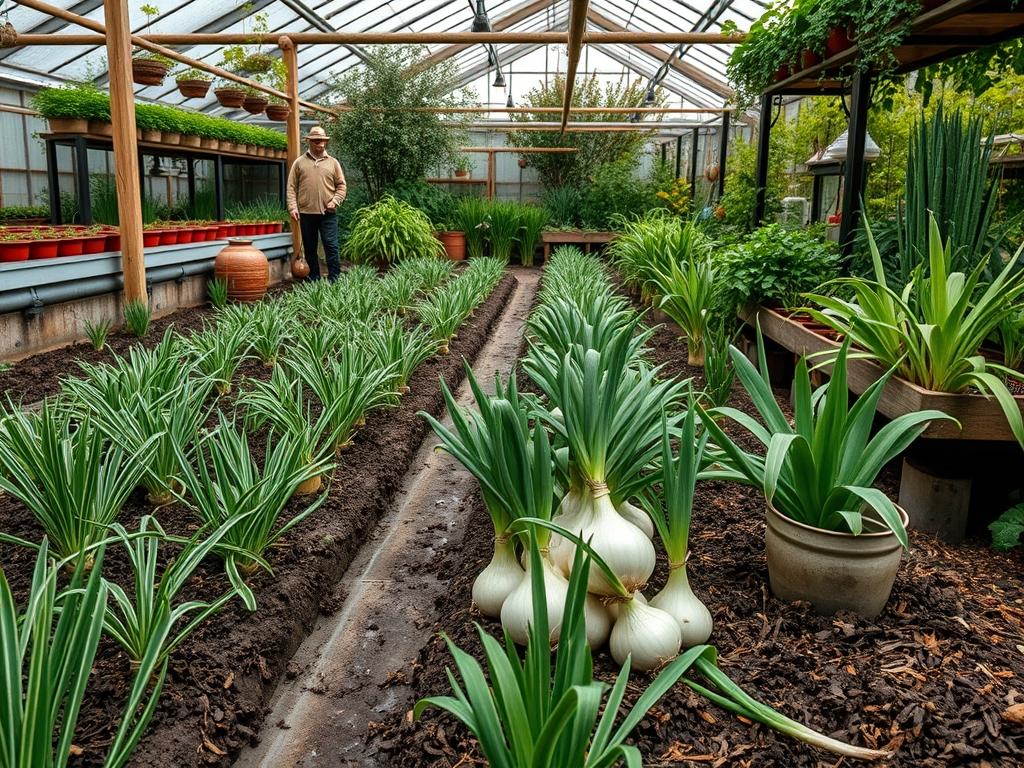
Integrating a productive harvest into a high-end residential landscape requires more than a simple garden patch; it demands a sophisticated understanding of site engineering, microclimates, and architectural flow. As a landscape architect, I view the transition from a growing season to the preservation phase as a critical design challenge. The aesthetic of a property should not decline when the harvest arrives. Instead, the infrastructure used for curing and keeping crops should enhance the outdoor environment. Proper Backyard Onion Storage Tips often begin with the physical layout of your estate, focusing on how air moves across the terrain and how structures are oriented to manage humidity. A well-designed landscape provides the necessary environmental controls to ensure that your harvest remains viable through the winter while maintaining the visual integrity of your yard.
Designing for storage involves a meticulous balance between utility and curb appeal. When we plan a landscape, we consider the curing process as an extension of the garden’s life cycle. This involves creating dedicated zones where harvested bulbs can dry in a shaded, well-ventilated space that does not disrupt the visual focal points of the garden. We often utilize tiered retaining walls and elevated pavilions to facilitate this. By treating the storage area as a functional outbuilding or a secondary patio feature, we can hide the utilitarian aspects of drying crops behind architectural screens or within ventilated stone cabinets. This approach ensures that the functional requirements of a backyard harvest do not interfere with the clean lines and professional finish of a luxury outdoor space.
Landscape Design Principles
Symmetry and focal points play a vital role in integrating storage solutions into a backyard. A storage shed or curing rack should never look like an afterthought. By placing these structures along a central axis or at the terminus of a primary walkway, we transform them into intentional architectural elements. We use line and form to guide the eye toward these features, often framing them with structural evergreens or ornamental grasses. This turns a simple storage rack into a garden feature that provides vertical scale and shadow.
Elevation layers are equally important for moisture management. Onions require low humidity and excellent airflow to cure properly before long term storage. In our designs, we often utilize raised terraces or built-in stone benches with hollow interiors to house curing trays. This elevation keeps the bulbs away from the damp ground and allows cool air to pull moisture away from the necks of the plants. By varying the height of the landscape, we create natural wind tunnels that can be harnessed for drying, reducing the need for mechanical fans or indoor space.
Irrigation planning must be compartmentalized to support this transition. We employ hydro-zoning, which is the practice of grouping plants with similar water needs. As onions approach their harvest window, they require significantly less water to prevent rot. Our irrigation designs utilize smart controllers and separate valves for the vegetable zones, allowing the homeowner to shut off water to specific beds without affecting the lushness of the surrounding lawn or ornamental shrubs. This precision in water management is one of the most effective Backyard Onion Storage Tips, as it begins the curing process while the bulbs are still in the ground.
Walkways and circulation paths should be wide enough to accommodate the transport of heavy harvest bins without damaging delicate border plants. We typically specify a minimum width of 4 feet for primary garden paths, using stable materials like flagstone set in a lime mortar or compacted decomposed granite. These pathways provide a clean, mud-free surface for moving the harvest to the curing station, ensuring that soil and organic debris are not tracked into the more formal areas of the landscape or the home.
Plant and Material Selection
To create a functional and beautiful backyard environment, the selection of materials and plant varieties must be intentional. Below is a guide to common species and construction materials that support a high-performance landscape.
| Plant or Material Type | Sun Exposure | Soil Needs | Water Demand | Growth/Durability | Maintenance Level |
| :— | :— | :— | :— | :— | :— |
| Red Burgundy Onion | Full Sun | Sandy Loam | Moderate | 100-120 Days | Medium |
| Yellow Sweet Spanish | Full Sun | Rich Organic | High | 110-130 Days | Medium |
| Creeping Thyme | Full Sun | Well-Drained | Low | Fast Spreading | Low |
| Cedar Slats | N/A (Material) | N/A | N/A | High Decay Resistance| Low |
| Decomposed Granite| N/A (Material) | Compaction | N/A | High Stability | Low |
| Boxwood Shrub | Partial Shaded | Loamy | Moderate | Slow Growth | High |
| River Rock | N/A (Material) | N/A | N/A | Erosion Control | Low |
Implementation Strategy
The successful implementation of a backyard storage plan begins with grading the site. We ensure that the ground slopes away from any storage structures at a rate of at least 2 percent. This prevents water from pooling around the base of curing racks or sheds, which is the leading cause of premature spoilage. Once the grade is established, we install a subterranean drainage system, often using 4 inch perforated pipe wrapped in filter fabric. This system whisks away excess groundwater, keeping the storage site dry even during heavy autumn rains.
Edging provides the clean lines necessary for high-end curb appeal. We prefer using 1/4 inch thick steel edging or bender board to create a crisp transition between the vegetable beds and the surrounding mulch or turf. This prevents invasive grass from creeping into the onion beds and competing for nutrients. Once the borders are set, we apply a layer of 3 inches of organic cedar mulch or hemlock bark. This mulch helps regulate soil temperature during the early growing season but can be pulled back easily as the harvest approaches to allow the soil to dry out.
Hardscaping elements, such as stone pedestals for drying racks, should be installed on a compacted sub-base of crushed gravel. These structures provide the physical foundation for your Backyard Onion Storage Tips. By using heavy, durable materials like natural stone or pressure-treated timber, you create a permanent infrastructure that withstands the elements. We design these racks with removable screens so that when they are not in use for curing onions, they can be repurposed as potting benches or outdoor bars, maximizing the utility of the square footage.
Common Landscaping Failures
The most frequent mistake in backyard planning is poor drainage. If the garden sits in a low spot, the onions will absorb too much water in their final weeks. This leads to soft necks and fungal infections that make long term storage impossible. We often see homeowners forget to adjust their automatic sprinklers, leading to oversaturation. Irrigation inefficiencies, such as leaky heads or misaligned nozzles, can create localized damp spots that ruin an otherwise healthy crop.
Root overcrowding is another common failure. When onions are planted too close together, they compete for airflow and nutrients. This results in smaller bulbs that do not have the structural integrity for winter storage. We recommend a minimum spacing of 4 to 6 inches between bulbs. Furthermore, soil compaction from foot traffic can stifle root development. By installing designated stone stepping stones within the beds, we ensure that the soil remains aerated and loose, which is essential for uniform bulb growth and easy harvesting.
Finally, improper mulch depth can hinder the drying process. While mulch is beneficial for moisture retention in the summer, an overly thick layer during the harvest season can trap humidity against the bulb. If the mulch is too close to the neck of the onion, it may encourage rot before the plant is even pulled from the ground. Landscape architects solve this by grading the beds to a slight mound, allowing gravity to pull moisture away from the plant’s center.
Seasonal Maintenance
Spring is the time for site preparation and soil conditioning. We recommend testing the soil pH and adding organic amendments such as composted manure or bone meal. This phase is about building the biological foundation for the garden. Ensure all drainage paths are clear of debris from the winter and check that the irrigation timers are functioning correctly.
Summer maintenance focuses on moisture control and pest management. As the weather warms, the demand for water increases, but for onions, this must be carefully monitored. We use soil moisture sensors to provide real-time data to the irrigation system. This ensures that the plants receive exactly what they need without being overwatered. This is also the time to ensure the curing shed or storage area is clean and free of pests that might attack the harvest later.
Autumn brings the harvest and the primary application of Backyard Onion Storage Tips. Once the tops of the onions fall over, water should be withheld completely. The bulbs are pulled and moved to the pre-designed curing zone. The landscape should be cleared of all spent foliage to prevent disease from overwintering in the soil. We then apply a fresh layer of mulch to protect the soil from erosion during the coming winter months.
Winter is the season for structural maintenance. While the onions are safely stored in their cool, dry location, we inspect the hardscape for any signs of frost heave or shifting. Any wooden structures should be checked for rot or damage. This is also the ideal time to plan for the next year, considering crop rotation to keep the soil healthy and productive.
Professional Landscaping FAQ
How do I choose the best spot for onion curing?
Select a location with maximum airflow and total shade. Avoid low-lying areas where cool, damp air settles at night. An elevated porch or a well-ventilated garden shed provides the ideal environment for the initial drying phase.
Can I store onions in a landscape shed?
Yes, provided the shed is insulated against extreme temperature fluctuations. The space must remain cool, dark, and dry. Proper ventilation is mandatory to prevent the accumulation of ethylene gas, which can cause the bulbs to sprout or rot prematurely.
What is the best mulch for edible garden beds?
Clean, shredded cedar or hemlock is preferred. These woods are naturally rot-resistant and do not break down as quickly as straw or grass clippings. They provide a professional aesthetic while suppressing weeds and retaining consistent soil moisture during development.
How does grading affect my onion harvest?
Proper grading ensures that surface water moves away from the bulb’s root zone. A slight slope prevents saturated soil, which is the primary cause of neck rot. Effective drainage planning is the foundation of any successful backyard food production system.
Do stone walls help or hurt onion storage?
Stone walls provide thermal mass, which can stabilize temperatures. If your storage structure is built against a stone retaining wall, it may stay cooler during the day and warmer at night, creating a consistent environment that extends the life of your harvest.