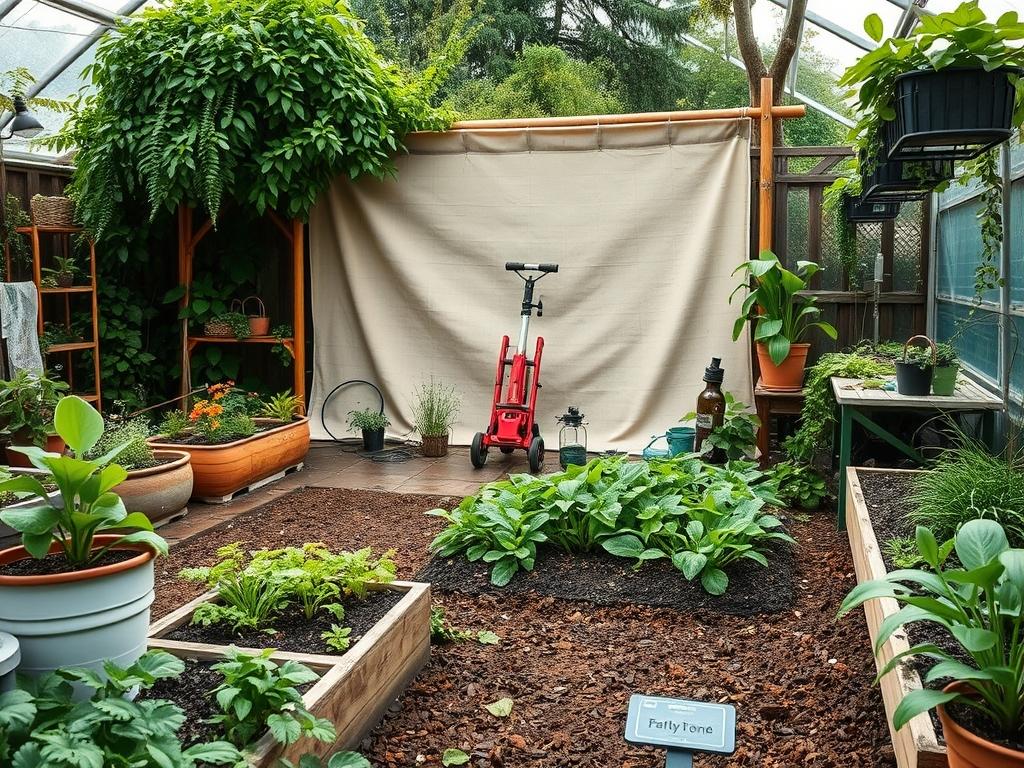
Transforming a sun-drenched outdoor area into a functional retreat requires a strategic approach to vertical and horizontal screening. Homeowners often struggle with the dual challenge of harsh solar exposure and the need for seclusion from neighbors. While traditional wooden fences provide a permanent boundary, they frequently lack the versatility and immediate relief required for active outdoor living spaces. This is where the integration of a Backyard Privacy Canvas becomes a critical component of professional garden design. By utilizing high-density polyethylene fabrics or treated canvases, a landscape architect can manipulate the microclimate of a patio or deck. These materials reduce ambient temperatures by blocking up to ninety percent of UV rays while maintaining a permeable surface that prevents heat entrapment. Beyond the immediate cooling effect, these installations increase curb appeal by adding texture and height to the landscape architecture. Proper placement ensures that the sightlines from second-story windows are disrupted, creating an intimate sanctuary that functions effectively across various climatic zones.
Landscape Design Principles
When incorporating a Backyard Privacy Canvas into a master plan, the principle of symmetry must be balanced with the existing architecture of the home. Large-scale structural elements should follow the lines of the primary residence to prevent the outdoor space from feeling fragmented. For instance, if a modern home features clean, geometric lines, the canvas supports should utilize crisp Powder-Coated Steel or Anodized Aluminum posts. Focal points are essential for directing the eye away from utility zones. A well-placed canvas panel can serve as a backdrop for a water feature or a curated sculpture, effectively acting as an outdoor gallery wall.
Elevation layers play a significant role in how privacy fabric is perceived. Instead of a single flat plane, landscape architects often use a staggered approach. This involves varying the height of the canvas panels to mirror the natural topography or the surrounding canopy. Such layering creates visual depth and allows for better airflow. Irrigation planning must also account for these structures; rain runoff from the canvas should be directed toward French Drains or permeable pavers rather than being allowed to pool at the base of support posts. Walkways should intersect with the shaded zones at natural transition points, ensuring that the movement through the garden feels intuitive. Visual balance is achieved by counterweighting a heavy canvas installation with airy, textural plantings on the opposite side of the yard.
Plant and Material Selection
The success of a shaded retreat depends on the synergy between the Backyard Privacy Canvas and the biological elements surrounding it. Selecting the right species ensures that the area remains vibrant despite the reduction in direct sunlight near the structure.
| Plant Type | Sun Exposure | Soil Needs | Water Demand | Growth Speed | Maintenance |
| :— | :— | :— | :— | :— | :— |
| English Ivy | Part Shade | Loamy, Moist | Moderate | Fast | High |
| Star Jasmine | Full Sun/Part Shade | Well-Drained | Moderate | Medium | Medium |
| Japanese Maple | Dappled Shade | Acidic, Rich | High | Slow | Low |
| Boxwood | Full Sun/Shade | Well-Drained | Low | Slow | Medium |
| Climbing Hydrangea | Shade/Part Sun | Humus-Rich | High | Medium | Low |
| Maidenhair Fern | Full Shade | Constant Moisture | High | Medium | Medium |
| Lavender | Full Sun | Sandy, Gritty | Low | Medium | Low |
Implementation Strategy
Executing a professional-grade installation begins with precise site grading. To ensure long-term stability, the ground beneath the intended shade zone must be level or pitched slightly away from the foundation of the home. Once the grading is verified, the marking of post locations is performed using Surveyor Tape and Marking Paint. For a Backyard Privacy Canvas to withstand wind loads, support posts must be set in concrete footings that reach below the local frost line, typically a depth of 24 to 36 inches.
After the structural supports are cured, the tensioning process begins. Using Stainless Steel Turnbuckles and D-Rings, the canvas is secured to the posts. It is vital to maintain a slight angle during installation to permit rainwater runoff, preventing the fabric from sagging or stretching under the weight of a storm. Edging is then established around the base of the structure using Metal Landscape Edging to create a clean separation between the turf and the planting beds. A layer of Triple-Shredded Hardwood Mulch at a depth of 3 inches should be applied to the surrounding soil. This mulch retains moisture and provides a finished look that complements the texture of the canvas. If the design includes a patio, ensure that the hardscaping materials, such as Bluestone or Flagstone, are installed with a proper sand base and gravel sub-layer for optimal drainage.
Common Landscaping Failures
One of the most frequent errors in garden planning is the failure to account for wind shear. A Backyard Privacy Canvas acts like a sail; if it is not tensioned correctly or if the support posts are undersized, the entire structure can collapse during high-wind events. Furthermore, drainage mistakes often occur when designers forget to calculate the volume of water shed by the canvas surface. Without a designated drainage path, this water can erode nearby flower beds or cause soil compaction around the root zones of sensitive plants.
Root overcrowding is another significant issue. Homeowners often plant large shrubs too close to the canvas supports in an effort to hide the hardware. Over time, the expanding root systems can heave the concrete footings, misaligning the tension wires. Improper spacing also leads to poor air circulation, which invites fungal diseases like powdery mildew, especially in regions with high humidity. Finally, irrigation inefficiencies occur when automated systems are not recalibrated after the canvas is installed. Since the canvas creates a rain shadow, plants directly underneath may require manual watering or the addition of targeted Drip Irrigation Lines to compensate for the lack of natural precipitation.
Seasonal Maintenance
Landscape management is a year-round commitment that changes with the cycles of the environment. In the spring, the primary focus is on cleaning the Backyard Privacy Canvas. Using a Soft-Bristle Brush and a mild detergent, remove any pollen or mold that accumulated over the winter. Inspect the Turnbuckles for signs of rust and tighten any hardware that has loosened.
Summer maintenance involves monitoring the hydration levels of the plants within the shaded zone. As temperatures peak, the evaporative cooling provided by the canvas helps, but the soil may still dry out. Pruning is necessary during this season to keep climbing vines from encroaching on the fabric. In autumn, the removal of fallen leaves from the top of the canvas is essential to prevent staining and rot. For regions that experience heavy snowfall, the canvas should be decommissioned and stored indoors to prevent structural damage from snow weight. Winter is the ideal time for hardscape inspections, looking for any shifts in the retaining walls or pavers that might have been caused by freeze-thaw cycles.
Professional Landscaping FAQ
What is the best material for a Backyard Privacy Canvas?
High-density polyethylene (HDPE) is the professional choice. It is UV-stabilized, resists mold growth, and allows significant airflow while blocking the sun. It is far superior to standard cotton canvas for long-term outdoor use in various weather conditions.
How do I clean my privacy canvas without damaging it?
Use a garden hose with a standard spray nozzle and a solution of mild dish soap and water. Avoid using power washers at high settings, as the concentrated pressure can tear the weave of the fabric or strip the UV coating.
Can I attach a privacy canvas directly to my house?
Yes, provided you use Heavy-Duty Eye Bolts anchored into the wall studs or structural headers. Never attach canvas hardware directly to siding or trim, as these materials cannot support the tension and wind loads generated by the fabric.
Does a privacy canvas affect the growth of the grass below?
It can. The significant reduction in UV light may cause traditional turf grasses to thin out. Landscape architects often recommend replacing grass with shade-tolerant groundcovers like Pachysandra or installing a gravel-based patio in these high-shade areas.
How long does a professional-grade privacy canvas last?
With proper seasonal maintenance and winter storage, a high-quality HDPE canvas can last between eight and twelve years. The longevity depends heavily on the intensity of local sun exposure and how well the tension is maintained throughout the year.