
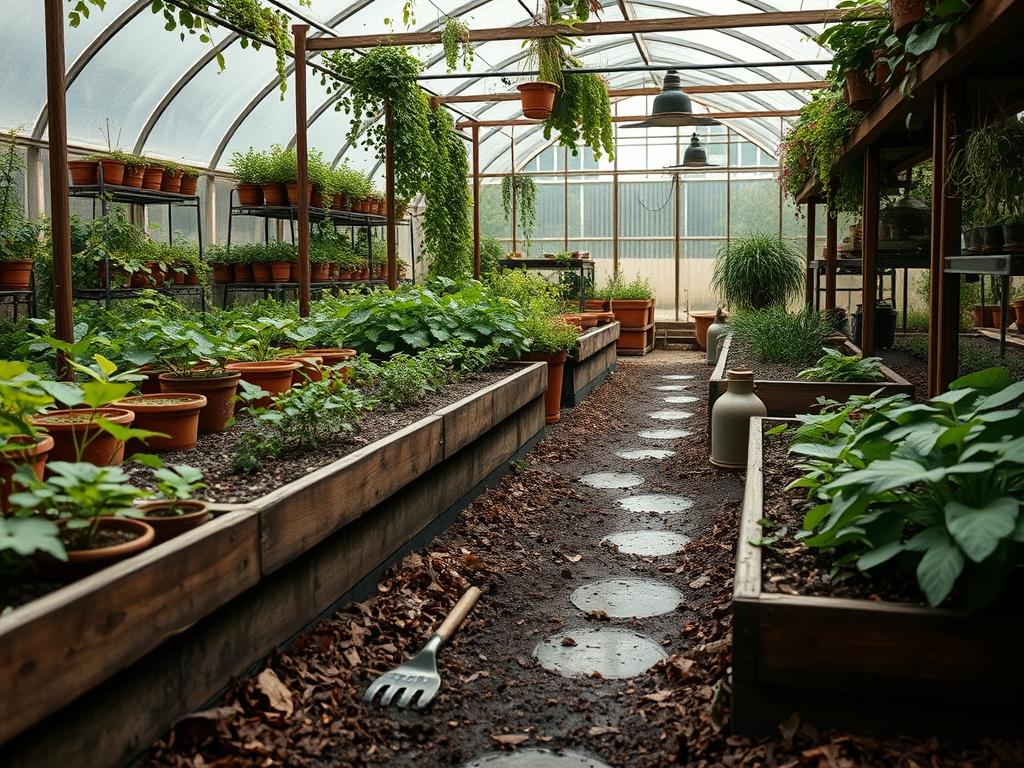
Transforming a traditional residential landscape into a high performance training environment requires a delicate balance between structural engineering and horticultural integrity. Many homeowners view a backyard ninja course as a temporary structure that detracts from property value, yet a professional approach treats these installations as permanent elements of the outdoor living space. The challenge lies in climate adaptation and curb appeal. A poorly planned course becomes a mud pit or an eyesore that neighbors view with skepticism. By applying architectural principles to the placement of rigging, obstacles, and safety surfacing, we can create a functional fitness zone that enhances the local ecosystem rather than disrupts it. Proper site analysis is the first step, ensuring that the heavy foot traffic and structural weight do not interfere with existing drainage patterns or the health of mature native plants. Modern Backyard Ninja Course Design relies on the concept of zones. By delineating the active space from the relaxation areas, the garden maintains its purpose for all family members. This integration ensures that the installation remains an asset to the home rather than a liability during a future resale.
Landscape Design Principles
Successful integration of a ninja course begins with symmetry and visual balance. A course that feels haphazardly thrown into the center of a lawn disrupts the flow of the yard. Instead, treat the course as a rhythmic architectural feature. If you have a large linear structure, balance it on the opposite side of the yard with a cluster of trees or a structured garden bed. Focal points are essential; the main rig should act as a monument rather than a clutter of metal and rope. Use natural colors for the frame, such as forest green, black, or dark brown, to help the structure recede into the surrounding foliage.
Elevation layers play a vital role in both safety and aesthetics. If your yard has a slope, do not simply level a small patch. Use retaining walls to create a flat, tiered environment for the course. This prevents soil erosion under the equipment and allows for better water management. Irrigation planning must be adjusted to account for the course footprint. Sprinkler heads should never spray directly onto wooden posts or metal hardware, as constant moisture leads to rot and corrosion. Move irrigation lines to the perimeter of the play zone to keep the safety surfacing dry and the surrounding plants hydrated.
Walkways provide the necessary transition between the home and the training area. Use flagstone or decomposed granite to create clear paths that prevent the grass from being trampled into mud during high use periods. This structural clarity keeps the yard looking tidy. Finally, consider the visual transition from the house. Creating a soft buffer with ornamental grasses can mask the lower portions of the course while leaving the upper climbing elements visible as an interesting architectural silhouette.
Plant and Material Selection
Selecting the right vegetation and ground cover is critical for durability. You need plants that can withstand occasional impact and ground cover that provides a soft landing.
| Plant Type | Sun Exposure | Soil Needs | Water Demand | Growth Speed | Maintenance Level |
| :— | :— | :— | :— | :— | :— |
| Emerald Green Arborvitae | Full Sun | Well-drained | Moderate | Medium | Low |
| Creeping Thyme | Full Sun | Sandy/Loamy | Low | Fast | Minimal |
| Dwarf Fountain Grass | Full/Partial | Versatile | Low | Fast | Annual Cutback |
| Blue Star Creeper | Partial Sun | Moist/Rich | Moderate | Fast | Moderate |
| Switchgrass | Full Sun | Variable | Low | Fast | Low |
| Boxwood Hedge | Full/Partial | Well-drained | Moderate | Slow | Pruning Required |
Material selection for the base is the most important safety decision. Engineered Wood Fiber is the gold standard for impact absorption. Unlike standard landscape mulch, this material is designed to knit together, providing a stable yet cushioning surface. Rubber Mulch is a durable alternative that does not decompose, though it can retain heat in direct sunlight. For the structure itself, use 6×6 Pressure Treated Lumber or Powder Coated Steel to ensure the course remains upright and safe for years of use.
Implementation Strategy
The construction process must follow a logical sequence to ensure long term stability. Start with professional grading. Use a Transit Level to ensure the entire footprint of the course has a slight slope of one to two percent away from the house and the equipment footings. This prevents water from pooling around the base of the posts. Once the area is level, mark the locations for the main supports. Digging holes for a ninja course requires a Power Auger to reach depths of at least 36 inches, or below the frost line in colder climates, to prevent heaving.
After the posts are set in High-Strength Concrete, install a heavy duty Landscape Fabric across the entire play zone. This prevents weeds from poking through your safety surfacing. For edging, use 4×6 Timber Edging or Concrete Curbing to keep your mulch contained. The depth of your safety surface should be a minimum of 9 to 12 inches to meet safety standards for fall heights. When filling the area, do it in layers, tamping down each layer slightly to ensure the material settles evenly.
Next, focus on hardscaping the perimeter. Use River Rock in a 12 inch wide strip around the outside of the wooden edging. This creates a splash block for rain and provides a clean transition for the lawn mower. If the course is near existing trees, be careful not to bury the root flare with mulch. Maintain a clear distance of at least 5 feet from the trunk of any mature tree to prevent soil compaction and root suffocation.
Common Landscaping Failures
The most frequent mistake in Backyard Ninja Course Design is neglecting drainage. Homeowners often install a large mulch bed without considering where the water goes once it penetrates the surface. Without a French Drain or a perforated pipe system beneath the mulch, the area becomes a basin for stagnant water. This leads to foul odors and weakens the structural integrity of the post footings.
Another common failure is root overcrowding. Large courses require deep footings that can sever the primary roots of nearby trees. This may not kill the tree immediately, but it can lead to instability and eventual death over several years. Always consult a site map of your underground utilities and root systems before digging.
Soil compaction is often overlooked. The high energy activity of a ninja course can pack down the soil in the surrounding lawn, making it impossible for grass to grow. To mitigate this, incorporate organic matter into the soil during the initial landscaping phase and consider aerating the lawn surrounding the course twice a year. Finally, many builders fail to use high quality hardware. Using standard nails instead of Galvanized Carriage Bolts will result in a course that wobbles and eventually fails as the wood expands and contracts with the seasons.
Seasonal Maintenance
Landscape management for an active backyard changes with the weather. In the spring, inspect all wooden elements for splinters or cracks caused by winter moisture. Apply a fresh coat of Water Sealant to any exposed timber. This is also the time to replenish the mulch. Over a year, mulch will compress or wash away; you should top it off to maintain that crucial 12 inch safety depth.
In the summer, the focus shifts to irrigation and vegetation management. Trim back any native plants or hedges that have grown too close to the obstacles. You need a clear 6 foot buffer around all moving parts of the course. Check your hardware for heat expansion. Bolts may need a quarter turn tightening as the wood dries out in the summer sun.
Autumn requires diligent leaf removal. If leaves are left to decay inside the mulch bed, they create a compost layer that encourages weed growth and harbors pests. Use a Leaf Blower to clear the surface of the course weekly. Before the first freeze of winter, remove any fabric elements like Ninja Nets or Slacklines. Storing these items indoors prevents the fibers from becoming brittle in the cold. Winter is the best time to inspect the metal components for signs of rust, which can be treated with a wire brush and Rust-Oleum paint before the spring season begins.
Professional Landscaping FAQ
What is the best ground cover for a ninja course?
Engineered Wood Fiber is the preferred choice of professionals. It offers superior impact attenuation compared to standard bark and stays in place better than Pea Gravel. It must be maintained at a consistent depth to ensure safety.
How do I prevent the grass around the course from dying?
Install a dedicated Walkway using Decomposed Granite or Stepping Stones. This directs foot traffic and prevents the soil from becoming overly compacted. Periodic aeration and the use of hardy native grasses also help maintain lawn health.
Can I build a ninja course near large trees?
You must maintain a safe distance from the Drip Line of the tree. Constructing too close can damage the root system. Use the tree for shade, but ensure the structural footings are at least 10 feet from the trunk.
Do I need a permit for a backyard ninja course?
Requirements vary by municipality. Most areas allow play structures under a certain height, typically 10 to 12 feet. However, if you are adding permanent retaining walls or significant hardscaping, you should check local building codes first.
How can I make the course look like part of the garden?
Use Layered Planting to soften the edges. Place taller Evergreens in the background and shorter Ornamental Grasses in the foreground. Using natural wood finishes and dark hardware allows the structure to blend into the natural environment.