
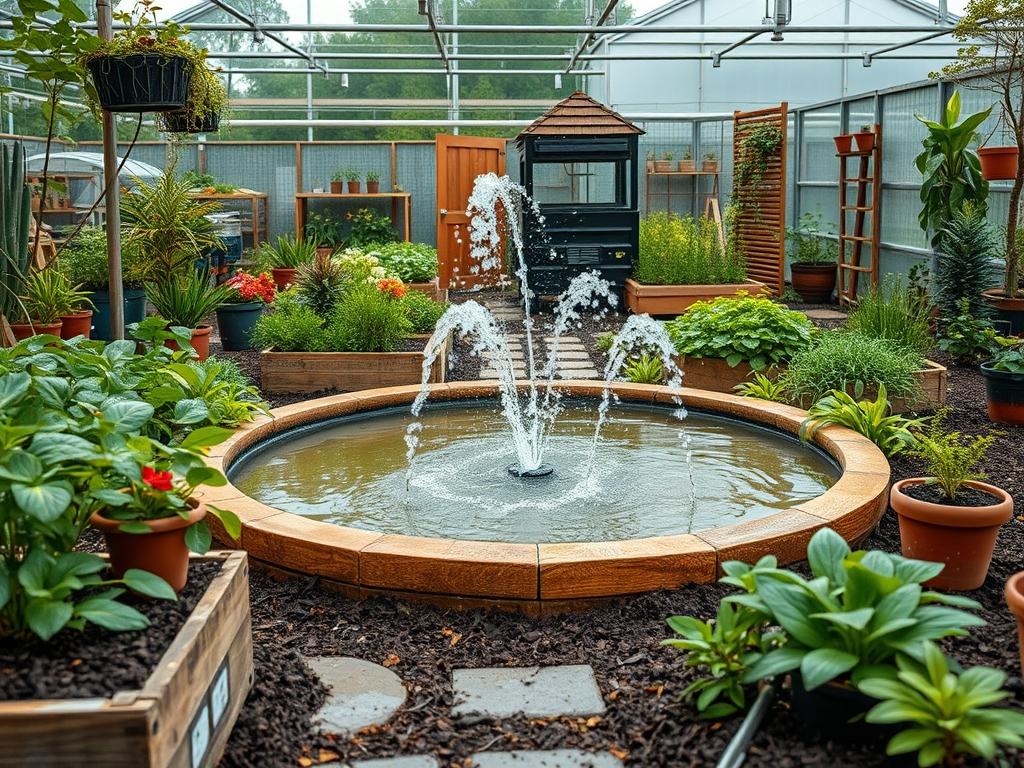
Integrating a water feature into a residential landscape represents a significant shift from traditional garden design toward active outdoor living. A backyard splash pad is not merely a play area; it is a complex engineering project that requires a delicate balance between mechanical functionality and aesthetic integration. Homeowners often struggle with the transition between the rigid, hard surfaces of a water feature and the soft, organic lines of the surrounding topography. Effective backyard splash pad maintenance begins with a site plan that accounts for local climate variables, such as high evaporation rates in arid zones or heavy seasonal rainfall in temperate regions. When a splash pad is designed with professional oversight, it enhances curb appeal by serving as a year-round focal point, even when the water is not flowing. The goal is to create a multi-functional space that provides cooling relief during peak summer months while maintaining a high level of visual sophistication throughout the dormant seasons.
Landscape Design Principles
Achieving a professional finish requires adherence to core design principles that ensure the splash pad feels like a native component of the garden rather than an afterthought. Symmetry plays a vital role in formal designs, where the water feature might be centered on a primary axis visible from the main living room windows. For more naturalistic settings, visual balance is achieved through the strategic placement of boulders and varied elevation layers. Creating these layers involves using retaining walls or terraced garden beds to frame the water feature, which draws the eye toward the center of the activity.
Focal points are essential to guide the viewer through the outdoor environment. The splash pad itself acts as the primary destination, but it should be supported by secondary elements such as a shaded pergola or a high-quality seating area. Irrigation planning must be meticulously integrated into the design. Because splash pads can result in overspray, the surrounding landscape must be graded to direct excess water away from the foundation of the house and toward specialized drainage systems. Walkways should be constructed from non-slip materials like sand-blasted concrete or textured flagstone to ensure safety while providing a clear transition between different zones of the yard.
Plant and Material Selection
The choice of plants and hardscape materials around a splash pad is critical because these elements must withstand constant moisture and occasional chemical exposure from treated water.
| Plant Type | Sun Exposure | Soil Needs | Water Demand | Growth Speed | Maintenance Level |
| :— | :— | :— | :— | :— | :— |
| Blue Oat Grass | Full Sun | Well-drained | Low | Moderate | Low |
| Japanese Maple | Partial Shade | Loamy | Moderate | Slow | Medium |
| Creeping Thyme | Full Sun | Sandy/Dry | Low | Fast | Low |
| Dwarf Boxwood | Full/Part Sun | Neutral pH | Moderate | Slow | Medium |
| Mexican Beach Pebbles | N/A | N/A | N/A | N/A | Low |
| River Birch | Full/Part Sun | Moist/Acidic | High | Fast | High |
| Liriope | Full/Part Sun | Adaptable | Low | Moderate | Low |
Implementation Strategy
The successful installation of a splash pad environment starts with professional grading. The site must be excavated to a depth that allows for a 6-inch compacted gravel base, which provides the necessary stability for the concrete pad and prevents shifting during freeze-thaw cycles. Once the sub-grade is established, installers must place the PVC piping and electrical conduits according to local building codes. It is imperative to use schedule 40 PVC or higher to ensure the longevity of the underground infrastructure.
After the mechanical components are in place, the focus shifts to hardscaping and edging. Steel edging or paver restraints should be used to create a crisp border between the splash pad and the lawn or planting beds. This prevents grass roots from encroaching on the water feature and keeps mulch from washing into the drains. For the surrounding areas, a 3-inch layer of hardwood mulch or decorative gravel is recommended to suppress weeds and retain soil moisture for the perimeter plants. Proper drainage is the final piece of the implementation puzzle; a French drain system or a dedicated catch basin should be installed at the lowest point of the site to manage runoff efficiently.
Common Landscaping Failures
One of the most frequent mistakes in backyard splash pad maintenance is the failure to address soil compaction during the construction phase. Heavy machinery can compress the earth so tightly that it becomes impermeable, leading to standing water and root rot for nearby plants. Another common issue is improper spacing. Homeowners often plant aggressive shrubs too close to the mechanical vault, only to find that the roots eventually interfere with the filtration system or lift the concrete pad.
Irrigation inefficiencies also plague many water feature designs. If the splash pad overspray is not factored into the automatic irrigation schedule, the surrounding soil can become oversaturated, creating a breeding ground for fungal diseases. Furthermore, choosing the wrong type of mulch can lead to significant maintenance headaches. Light materials like pine straw are easily blown or washed into the splash pad drains, clogging the filters and straining the pump. Using heavier materials like river rock or shredded bark is a more sustainable choice for water-proximate landscaping.
Seasonal Maintenance
A proactive maintenance schedule ensures that the splash pad and its surrounding landscape remain in peak condition throughout the year. In the spring, the focus should be on system activation and soil preparation. This involves cleaning the nozzles, checking the filtration pump for leaks, and applying a fresh layer of pre-emergent herbicide to the garden beds. It is also the ideal time to prune any ornamental grasses or perennials that were left standing over the winter to provide seasonal interest.
During the summer, backyard splash pad maintenance shifts toward water chemistry and hydration. The water must be tested weekly for proper pH and chlorine levels to prevent algae growth and ensure user safety. For the landscape, deep watering during the early morning hours helps plants withstand the heat reflected off the concrete surfaces. Autumn requires the removal of fallen leaves, which can stain the concrete and clog the drainage grates. Finally, winterizing the system is the most critical step for cold climates. This involves blowing out the lines using an air compressor, draining the holding tank, and covering the feature with a heavy-duty tarp to protect the finish from the elements.
Professional Landscaping FAQ
How do I prevent my splash pad from becoming a slip hazard?
Using a broom-finished concrete or applying an anti-slip polyurethane coating provides the necessary traction. Regularly cleaning the surface with a mild degreaser also prevents the buildup of slippery biofilm or algae growth.
What is the best way to manage water runoff?
Ensure the pad has a minimum 2 percent slope toward a central drain. Surround the perimeter with a trench drain or a gravel-filled swale to capture excess spray and direct it to a legal discharge point.
Can I use salt water for my backyard splash pad?
Salt water systems are less common for splash pads because the salt can be corrosive to metal fixtures and harmful to surrounding salt-sensitive plants. Stick to traditional chlorine or UV filtration systems for the best landscape health.
How often should I clean the splash pad filters?
Check the cartridge filters or sand filters at least once a month during the peak season. If you have heavy foliage nearby, you may need to clear the skimmer baskets weekly to prevent debris from blocking the water flow.
Will the splash pad increase my property taxes?
In many jurisdictions, a permanent water feature is considered a property improvement. While it adds significant resale value and curb appeal, it may lead to a minor adjustment in the assessed value of your home during the next tax cycle.