
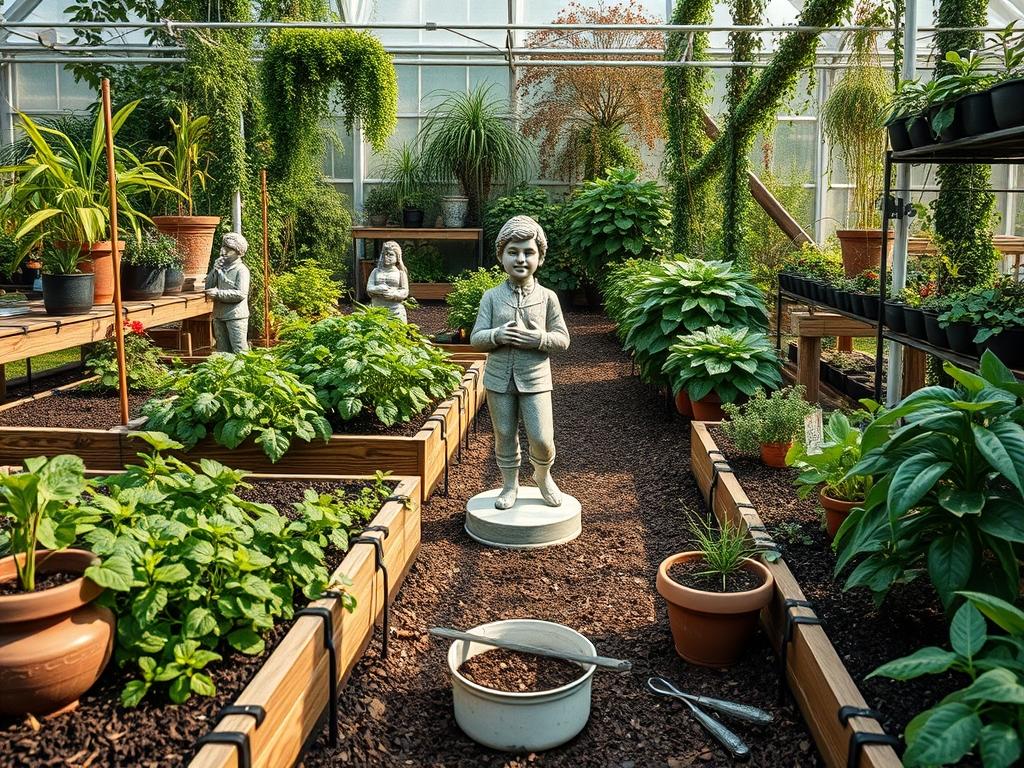
Integrating sophisticated technology into a living landscape requires a delicate balance between botanical health and aesthetic functionality. The introduction of solar backyard statues into a professional garden design provides a unique opportunity to bridge the gap between daytime structural beauty and nighttime ambiance. However, successful placement is rarely as simple as finding a patch of open soil; it requires a deep understanding of light patterns, soil stability, and the overall architectural narrative of the outdoor space. Landscape architects must consider the varying light requirements for internal photovoltaic cells while ensuring the object does not look like an afterthought. High-quality curb appeal depends on the seamless transition from softscape to hardscape, where statues act as anchors for visual interest. A poorly placed solar element can vanish in the shadows or, conversely, create a jarring glare that disrupts the peaceful atmosphere of a backyard retreat. By treating these pieces as functional lighting assets rather than mere ornaments, you can enhance the safety of walkways and the drama of destination areas without the need for trenching or electrical wiring.
Landscape Design Principles
Effective placement of solar backyard statues begins with the principle of focal points. In any professional landscape, the eye needs a place to rest; a well-proportioned statue provides this visual destination. You must account for the scale of the statue relative to the surrounding vegetation and existing structures. A small 8-inch resin bird might be lost in a massive border of Hydrangeas, whereas a 24-inch geometric pillar can stand its count against a Retaining wall. Symmetry plays a role in formal garden designs, where matching solar pieces might flank an entryway or a set of stone steps, creating a sense of order and prestige.
Elevation layering is another critical factor. Placing a statue at eye level or higher can make a small courtyard feel more expansive. Conversely, nesting a solar piece low within a groundcover bed creates a sense of discovery. You should also consider the concept of borrowed scenery, where the statue frames a distant view or coordinates with the color palette of a nearby Japanese Maple. Irrigation planning must also be synchronized with placement; solar components are sensitive to high-pressure spray from automatic systems. Placing statues on slightly elevated mounds or within gravel-lined zones prevents moisture accumulation around the base, ensuring longevity for both the internal battery and the statue material.
Plant and Material Selection
The following selection of plants and materials ensures that your solar backyard statues remain visible and protected while enhancing the surrounding ecosystem.
| Plant Type | Sun Exposure | Soil Needs | Water Demand | Growth Speed | Maintenance Level |
| :— | :— | :— | :— | :— | :— |
| Boxwood (Buxus) | Full Sun to Shade | Well-Drained | Moderate | Slow | Low |
| Lavender | Full Sun | Sandy/Gravelly | Low | Moderate | Medium |
| Blue Star Creeper | Partial Sun | Moist/Loamy | Moderate | Fast | Low |
| Sedum (Stonecrop) | Full Sun | Poor/Dry | Very Low | Moderate | Low |
| Hosta | Full Shade | Rich/Humus | Medium | Moderate | Low |
| Japanese Forest Grass | Partial Shade | Moist | Medium | Slow | Medium |
When selecting materials for the statue’s base, prioritize stability and drainage. Using Crushed granite or Pea gravel creates a permeable surface that prevents soil splash-back onto the solar panel during heavy rain. For larger installations, a Concrete paver or a flat Flagstone provides a level foundation that resists settling over time.
Implementation Strategy
Begin your implementation with a comprehensive site assessment. Track the sun’s path across your backyard for at least six hours to identify the zones of maximum solar gain. Solar backyard statues require consistent exposure to charge efficiently, so avoid placing them directly under the dense canopy of an Oak tree or a deep eave. Once you have identified your locations, begin the grading process. Ensure the ground slopes slightly away from the statue to prevent puddling.
For the actual installation, clear a circle roughly twice the diameter of the statue’s base. Excavate to a depth of 4 inches and backfill with 2 inches of Compactable gravel. This creates a firm, level surface. If you are placing the statue within a mulch bed, maintain a 3-inch depth of Double-ground hardwood mulch, but keep the mulch an inch away from the statue itself to prevent rot and insect nesting. For installations along walkways, use Steel edging or Belgian block to define the perimeter. This prevents the statue from being struck by lawn equipment and provides a crisp, professional finish. If the statue is intended to light a path, test the illumination at dusk before final anchoring to ensure the beam spread covers the desired area without creating hazardous shadows.
Common Landscaping Failures
The most frequent mistake in statue placement is ignoring the growth potential of nearby flora. A statue that receives full sun in early spring may be completely shrouded by Perennials by mid-July, rendering the solar panel useless. Always research the mature spread of your plantings. Another failure involves improper drainage. If a statue sits in a depression, the freeze-thaw cycle of winter can cause the base to crack or the electronics to fail due to water ingress.
Soil compaction is often overlooked. If the ground is too hard, water will not penetrate, leading to runoff that can erode the area around your statue’s foundation. This is particularly problematic near Retaining walls where hydrostatic pressure is already a concern. Furthermore, many homeowners fail to account for the proximity of irrigation heads. Constant saturation from a sprinkler can lead to mineral buildup on the solar lens, which drastically reduces charging capacity. Finally, a lack of scale can ruin a design; a single, tiny statue in a vast lawn appears accidental rather than intentional. Use groupings or pair small items with larger boulders to create a cohesive scene.
Seasonal Maintenance
Landscape management is a year-round commitment. In the spring, inspect your solar backyard statues for any structural damage caused by winter frost. Clean the solar panels with a soft, damp cloth and a mild surfactant to remove pollen and dust. This is also the time to refresh the Mulch and check that the statue remains level after the ground has thawed. During the summer, monitor the growth of surrounding plants and prune any overhanging foliage that may be casting shadows on the photovoltaic cells.
Autumn requires clearing fallen leaves that can trap moisture against the statue’s base or cover the light sensor. If you live in a region with heavy snowfall, consider moving lighter resin statues into a garage or shed. While many professional-grade pieces are rated for all-weather use, the extreme cold can diminish the lifespan of the lithium-ion batteries. If the statue remains outdoors through winter, use a Brush to clear snow from the panel regularly. This ensures that even in short daylight hours, the battery receives enough charge to maintain the health of the cells.
Professional Landscaping FAQ
How do I clean my solar panels without scratching them?
Use a mixture of distilled water and a drop of dish soap. Wipe the surface with a Microfiber cloth in circular motions. Avoid abrasive Scrub pads or harsh chemicals like bleach, which can cloud the protective coating and reduce energy absorption.
Can I place solar statues in a fully shaded garden?
It is not recommended. Solar backyard statues require at least four to six hours of direct sunlight to function through the night. In shaded areas, consider statues with a remote solar panel that can be positioned in a sunnier spot via a discrete wire.
What is the best way to secure a lightweight statue against wind?
Drive a Rebar stake into the ground and utilize a Construction adhesive to bond the statue to a heavy Concrete base. For resin pieces, you can often fill the internal cavity with Dry sand to increase the center of gravity and stability.
Why does my solar statue flicker or turn off early?
This usually indicates a battery reaching the end of its life cycle or a dirty panel. Most solar backyard statues use replaceable AA NiMH batteries. Check the battery compartment for corrosion and ensure the panel has a clear line of sight to the sun.
How do I integrate statues into a xeriscape design?
Place the statues amongst Lava rock or River stones to complement the water-wise aesthetic. Use structural plants like Agave or Yucca to frame the piece, ensuring the statues act as a visual substitute for the lush greenery found in traditional gardens.